Inflationary Heartburn Across the Midwestern Farm Belt
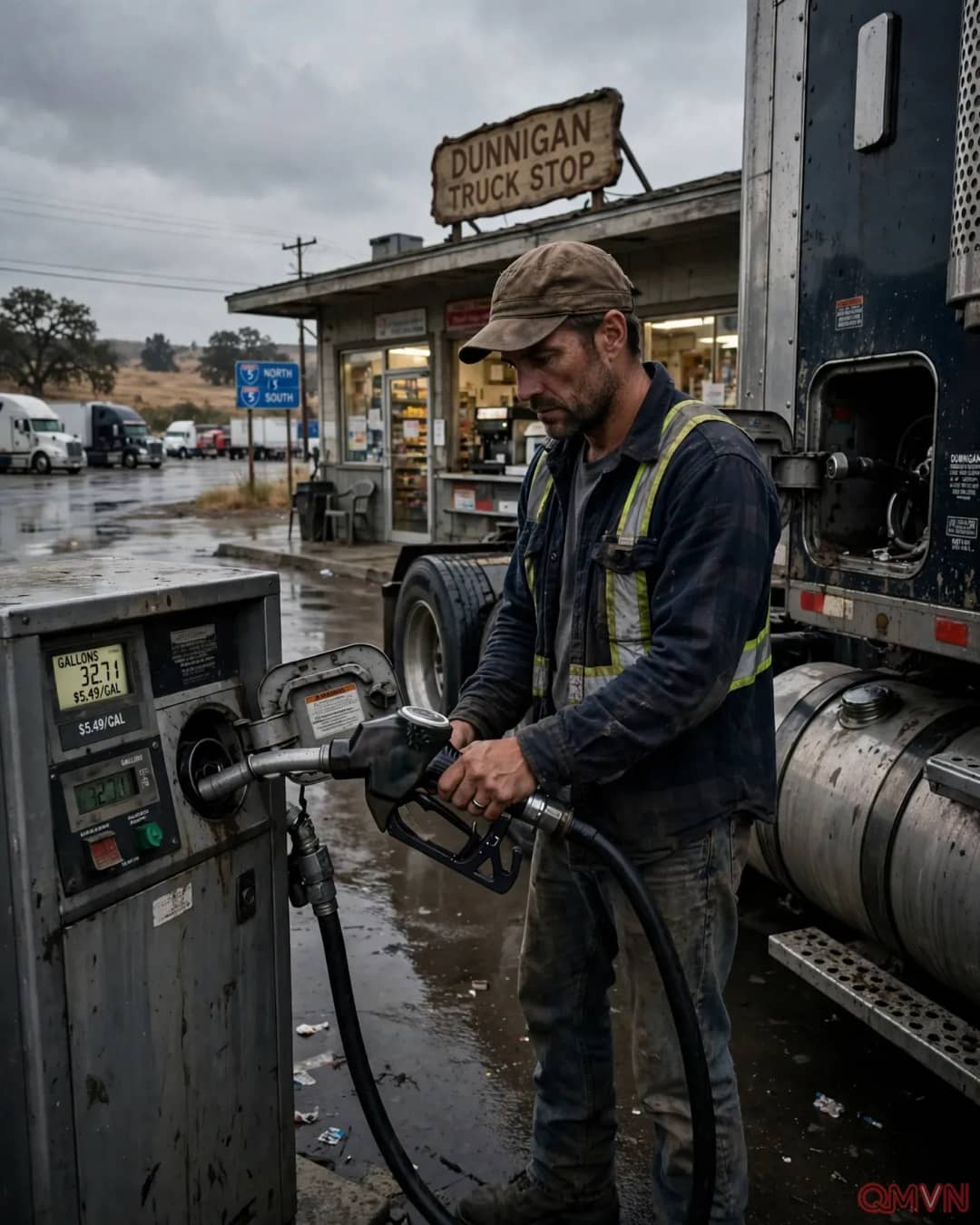
Across traditional Republican strongholds in agricultural states such as Iowa and Kansas, simmering discontent among farmers and commercial freight operators has escalated alongside rising fuel and fertilizer expenses. Data compiled by the US Energy Information Administration revealed that national diesel prices rebounded by nearly 10 cents over the past week to an average of $6.28 per gallon, remaining near all-time historic peaks.
The political stakes are exceptionally precarious as Republicans fight to defend narrow legislative majorities in both chambers of Congress. An October Reuters/Ipsos public opinion survey indicated that nearly 80% of Americans hold the administration responsible for elevated consumer living costs, compelling the president to unveil rapid interventions directly from campaign stages.
The president tends to discount long-term losses over short-term gain, and I am skeptical if there is any short gain to be had here.
Fiscal Strains and the Limitations of Regulatory Waivers
Attempting to deliver immediate price relief, President Trump signed an executive order authorizing long-haul commercial motor carriers to utilize red-dyed diesel—an untaxed fuel strictly reserved for non-highway agricultural machinery. Nevertheless, the policy sparked confusion across commercial corridors after the Internal Revenue Service merely suspended audit penalties rather than repealing underlying tax statutes, creating substantial audit liability for fuel retailers.
Simultaneously, the administration's announcement of an $8 billion emergency farm package will propel aggregate federal agricultural transfers to a record $55.4 billion this year, eclipsing the previous milestone of $45 billion established during the 2020 pandemic. Industry representatives caution that one-off Treasury disbursements cannot insulate producers from structural logistics bottlenecks.
Trade disruptions and rising fuel costs tied to conflict abroad have put family farmers in a difficult position, and one-time payments can't provide stability.
Geopolitical Compromises and the Contradiction Over Russian Fuel
The administration's efforts to expand commercial diesel supplies have introduced severe diplomatic friction. A controversial decision to ease enforcement on Russian refined petroleum sanctions—originally instituted to restrict Moscow's military funding—has invited sharp bipartisan rebuke on Capitol Hill while doing little to lower pump prices.
While White House messaging has sought to deflect public dissatisfaction toward foreign theaters, prominent defense analysts emphasize that the military escalation in Iran represents the overwhelming catalyst disrupting international petroleum maritime channels. Threatening European allies with potential American export restrictions to force emergency stock drawdowns has further strained trans-Atlantic diplomatic partnerships.
I sort of see it as a blame-shifting kind of scapegoating operation, more than a genuine attempt to moderate prices in the lead-up to the election.