MAIN STORY
A photograph fractures a familiar portrait
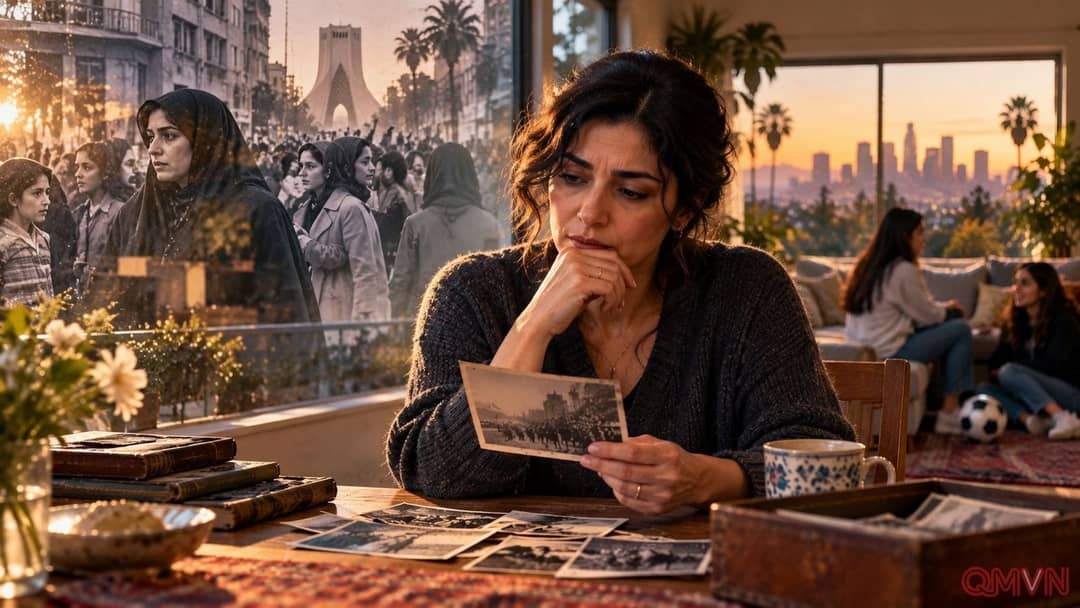
Ana’s death leaves Heti with a ceremony to organize and memories she thinks she understands. Then an unsigned parcel arrives. In one photograph, a veiled young woman who resembles her mother carries a weapon; another depicts detained women under threat. The emotional force of the images comes from their distance from the warm, sociable mother Heti remembers.
Photographs, however alarming, do not automatically supply a complete verdict. The sender, circumstances and precise extent of any responsibility remain uncertain. That uncertainty directs Heti toward a more demanding question: how much of a loved one’s life is assembled from stories they choose to tell, gestures we remember and the silence surrounding everything else?
The Iranian Revolution gives the images their historical charge, but Khadivi does not write a political chronology. She locates the drama inside a daughter’s struggle to accept that affection and moral alarm may coexist without cancelling each other.
Women’s voices illuminate a complicated life
The story unfolds in brief episodes across roughly a year. Heti attends her daughters’ soccer activities, handles accounts and speaks with relatives, friends and strangers.