MAIN STORY
Faster missiles, less time to decide
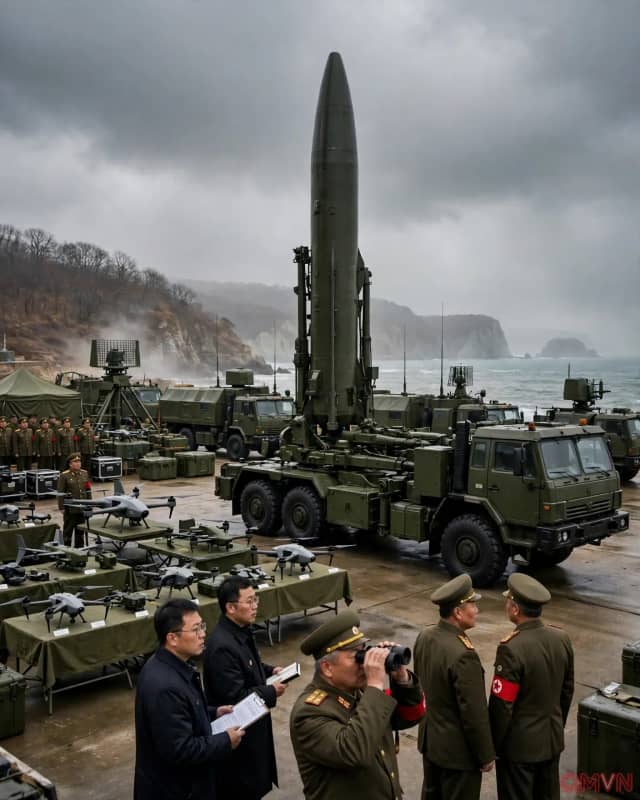
On October 3, North Korea launched a missile its state media described as part of a hypersonic strategic weapons system. South Korean and Japanese assessments of its flight differed from Pyongyang’s claims, and publicly available evidence does not settle every question about its maneuvering performance. Yet the political message was clear: the North wanted to portray existing missile defenses as increasingly vulnerable.
On October 8, South Korea announced its first successful indigenous hypersonic glide-vehicle test, witnessed by President Lee Jae Myung. Four days later Seoul detected multiple North Korean ballistic missile launches, with at least one projectile traveling more than 900 kilometers in its initial assessment. The sequence illustrates a dilemma: faster weapons narrow response windows precisely when both governments need time to interpret an opponent’s intention.
Speed alone does not make a missile impossible to intercept. Its trajectory, guidance, surveillance environment and warhead characteristics all matter. Public claims of decisive superiority after a single test can consequently create more confidence than the evidence warrants.