Sanctions with a six-month “window”
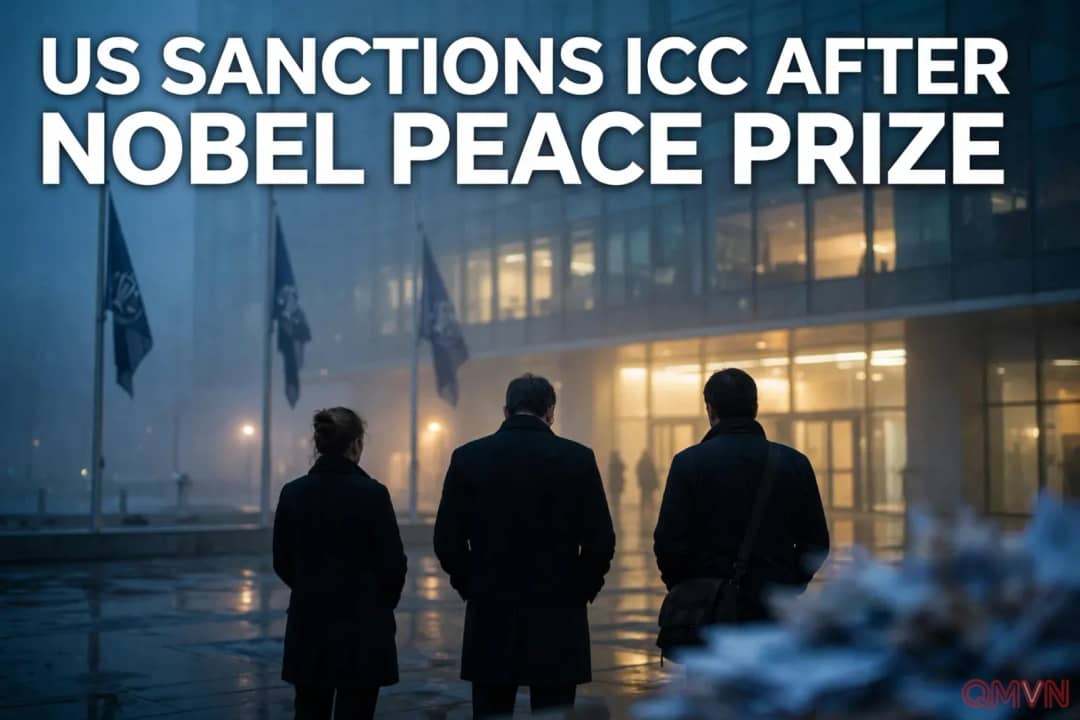
Just hours after former ICC judge Navi Pillay won the Nobel Peace Prize, the Trump administration imposed sanctions on the court itself, a step far beyond earlier rounds that targeted only prosecutors and judges. However, the US Treasury announced an initial six-month grace period.
The sanctions also include exemptions for transactions related to telecommunications, software, pension payments and detainees. Secretary of State Rubio said the measures were structured to give the court and member states an opportunity to address US concerns, and would be adjusted if those demands were not met.
What Washington wants
According to Reuters, the main disputes between the United States and the ICC include:
- Washington condemns arrest warrants issued for Israeli officials, including Prime Minister Benjamin Netanyahu.
- It opposes an investigation into the conduct of US soldiers in Afghanistan, although the ICC says that probe has been deprioritized.
- Rubio cited calls by outside experts to prosecute US service members, border patrol agents and elected officials, though ICC officials have taken no steps in that direction.