A decision all but settled
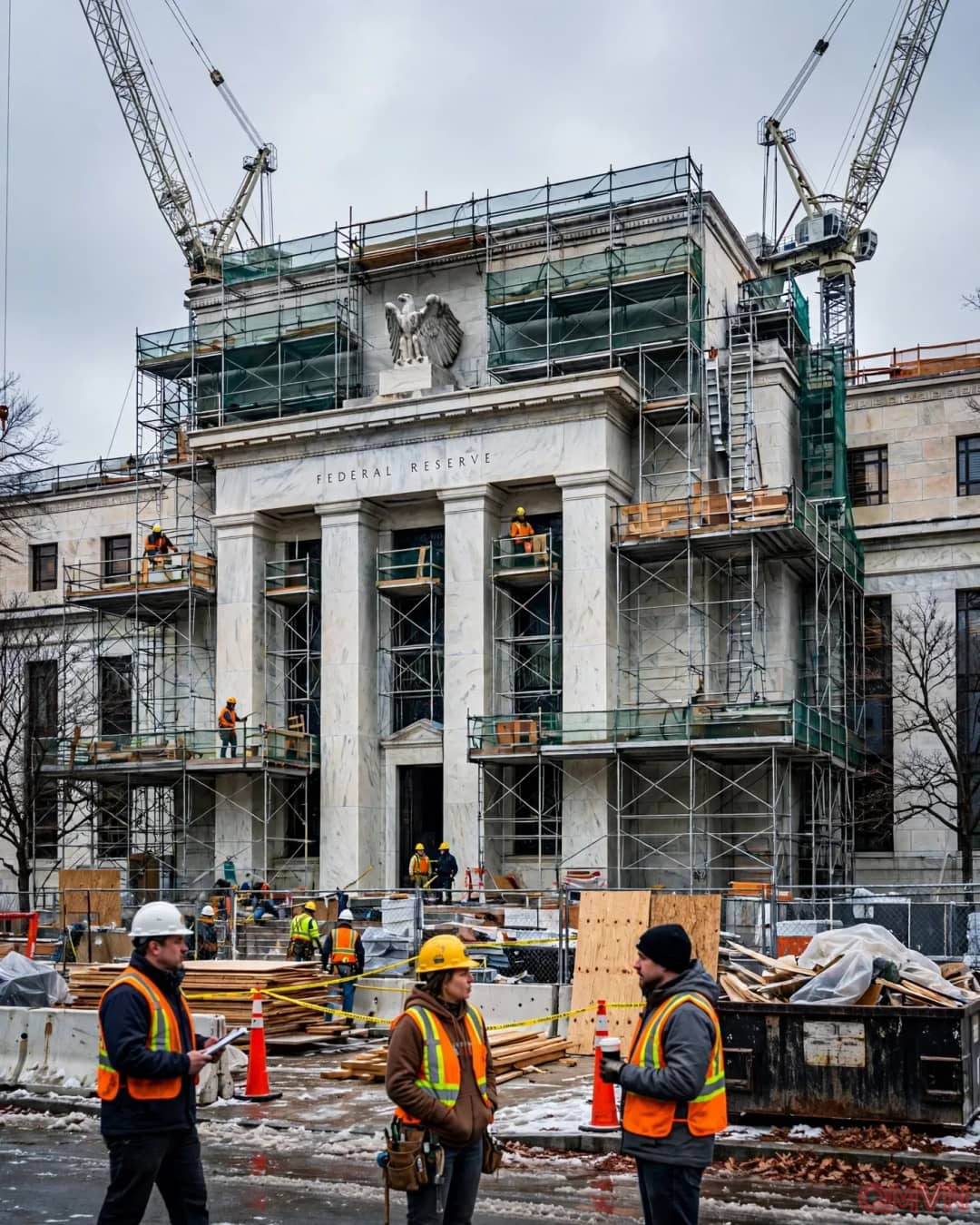
Fed officials have signalled fairly clearly that they will not raise short-term borrowing costs this week. Key points ahead of the meeting:
- The Fed is expected to keep rates in the 3.75%–4.00% range at its October 27–28 meeting.
- As of Friday, futures markets were pricing a 90% chance of a hold.
- Analysts expect at least one dissent, most likely from hawkish Cleveland Fed President Beth Hammack.
- Market focus is shifting to the December meeting.
Data leaning towards a hike
Many figures show the US economy is still running hot. Inflation as measured by the personal consumption expenditures (PCE) price index is forecast to have risen to 3.6% in September from 3.4% in August, driven not only by higher gasoline prices from the Middle East conflict but also by airfares, rents and computers.
Third-quarter growth is believed to have accelerated on solid consumer spending and a wave of AI-driven business investment. Unemployment stands at 4.2%, and weekly jobless claims are lower than at any point in Chair Warsh's lifetime.
Kathy Bostjancic, chief economist at Nationwide, said the data support a rate hike. In her view, policymakers were "spooked" when 10-year Treasury yields surged, threatening to slow the economy more than intended. Influential officials such as New York Fed President John Williams and Fed Vice Chair Philip Jefferson have signalled they want to wait for more data.
Chair Kevin Warsh's dilemma
The November 3 midterm elections, which will decide whether President Donald Trump's Republican party keeps control of both houses of Congress, mean any Fed decision is easily read in political terms. The cost of living is a top concern for voters, with both inflation and high interest rates pushing prices up.
According to Gregory Daco, chief economist at EY-Parthenon, Warsh must explain the pause without damaging the Fed's anti-inflation credibility; otherwise yields could spike and harm the economy more than an actual rate hike. However, since Warsh dislikes forward guidance, observers expect him to say little.
Chair Warsh will have to dispel any impression that the decision was political.
Reasons to wait
The Fed still has reasonable grounds for a pause. Hourly wage growth has tracked below inflation for the past six months, suggesting the labour market is not adding much to price pressures. Minutes of the September meeting show many officials saw the hike as "insurance" against inflation risks that could ease if the Middle East conflict is resolved. Last week's stock rout over AI demand worries has also tightened financial conditions. Even so, BMO's Scott Anderson expects two more rate hikes.
Take away the punch bowl just as the party gets going.