MAIN CONTENT
Five new gas-fired plants
According to Tan See Leng, the projects are part of EMA's five-year plan to meet demand growth and improve the city-state's energy resilience. EMA is evaluating proposals for the additional gas-fired projects, which will be operational by 2032, and will launch further requests for proposals over the next five years if demand growth stays strong.
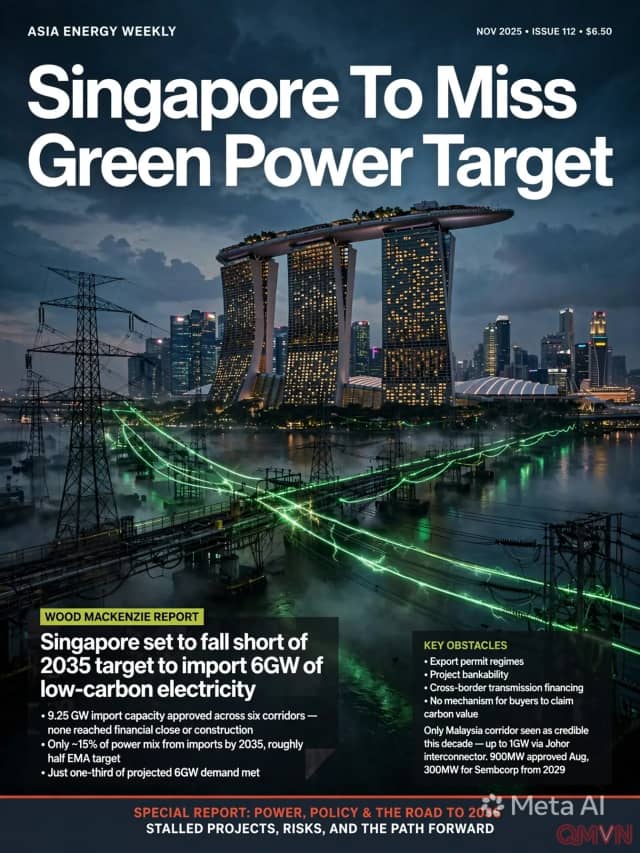
Singapore's peak electricity demand was 8.6 GW as of August 2026 and could reach between 9.9 GW and 13 GW by 2031, driven mainly by semiconductor manufacturing, data centres and electric vehicles – key sectors in the city-state's economic strategy.
Securing gas supply and upgrading the grid
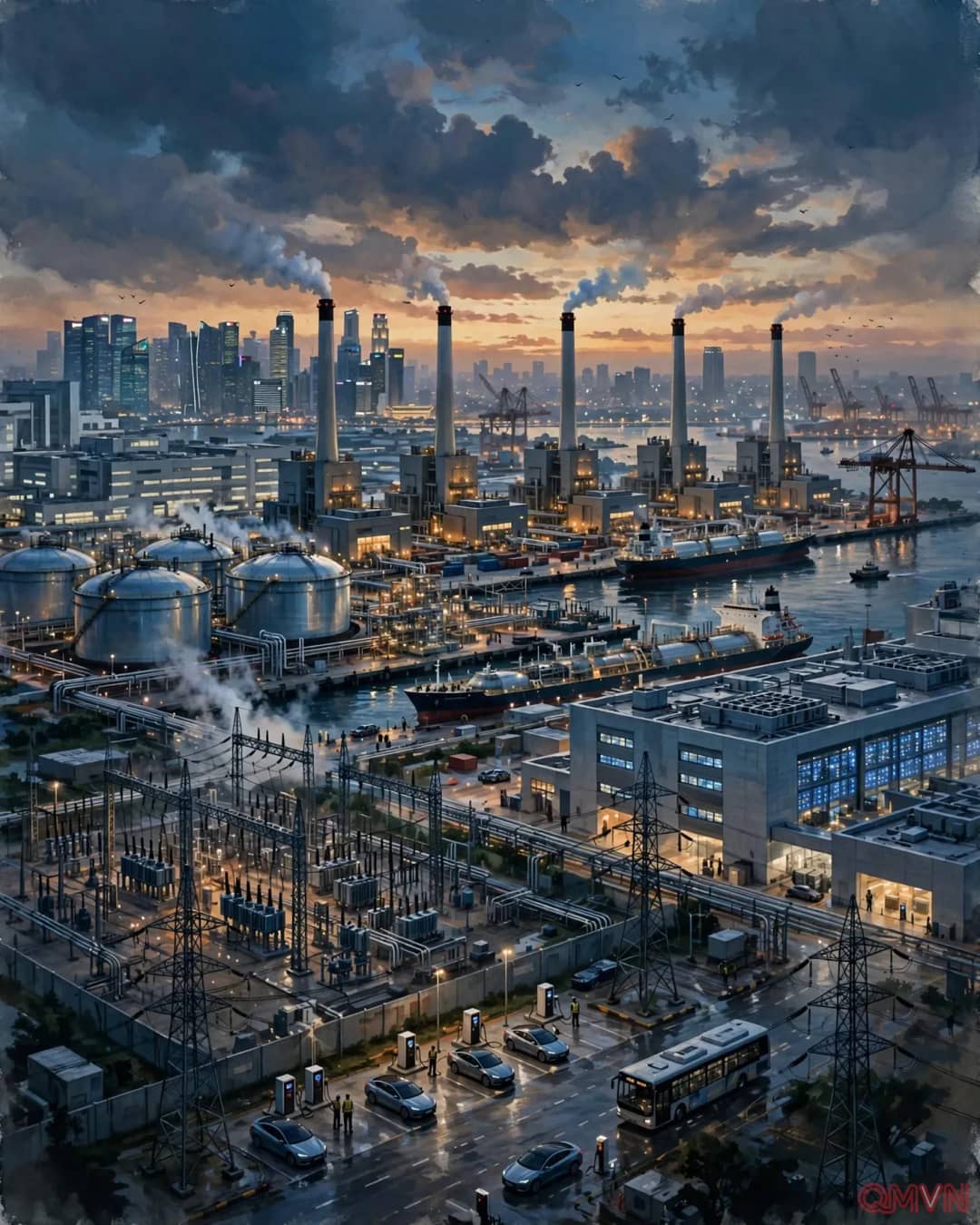
Natural gas supplies about 95% of Singapore's electricity, making gas supply and grid security top priorities:
- LNG regasification capacity will rise to 15 million tonnes per annum from 10 mtpa when a second terminal at Jurong Port starts operating by 2030.
- Singapore expects to invest up to S$5.3 billion ($4.15 billion) in its power grid between 2025 and 2029, including seven new transmission substations by 2031, up from four in the previous five years.
- Marine subsea surveys began this month for a second interconnector with Peninsular Malaysia, which would add up to 2 GW of capacity by 2030 alongside the existing 1 GW link.
Energy storage and solar power
Alongside gas, Singapore is stepping up cleaner and more flexible sources. Energy storage capacity will rise to just over 1 gigawatt-hour by 2030 from about 350 megawatt-hours. Solar capacity stands at 2.3 GWp, with targets of 3 GWp by 2030 and 4 GWp by 2035.
Also at Singapore International Energy Week, Singapore and Saudi Arabia announced plans to store Saudi crude in the Jurong Rock Caverns from the second half of 2027 – another step to bolster energy security as Middle East conflict disrupts global supply.