MAIN CONTENT
A temporary reprieve is not an unrestricted market
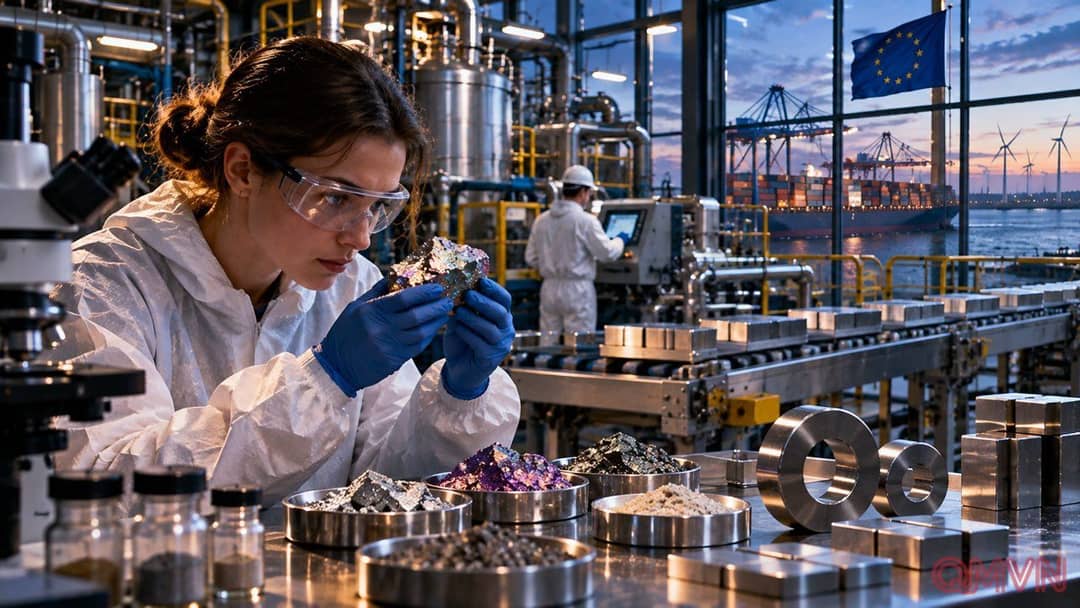
On November 9, China’s Ministry of Commerce extended by two months a suspension of selected export controls, pushing the deadline to January 10, 2027. Reuters and S&P Global reported that the measures concern some rare earth elements, processing technologies, lithium batteries and synthetic graphite anode materials. The announcement offers short-term certainty for buyers, but it is not a wholesale reversal of China’s policy toward strategic raw materials.
Earlier controls imposed in April 2025 on seven other rare earth elements remain in place. Businesses must therefore examine each product category, license and shipment requirement rather than assume normal trade has fully resumed. Any uncertainty can delay procurement, raise inventory costs or force manufacturers to secure more expensive alternatives. Distinguishing paused restrictions from continuing ones matters as much as the headline announcement itself.
Bernd Schaefer of EIT RawMaterials, cited in the South China Morning Post, described the additional breathing room as useful for Europe’s search for more predictable supplies. Yet the pause creates a paradox. When imports flow more freely, industrial customers may have less immediate incentive to pay a premium for new European capacity that is not yet proven at commercial scale.