MAIN CONTENT
Candles and pillows turn grief into a public demand
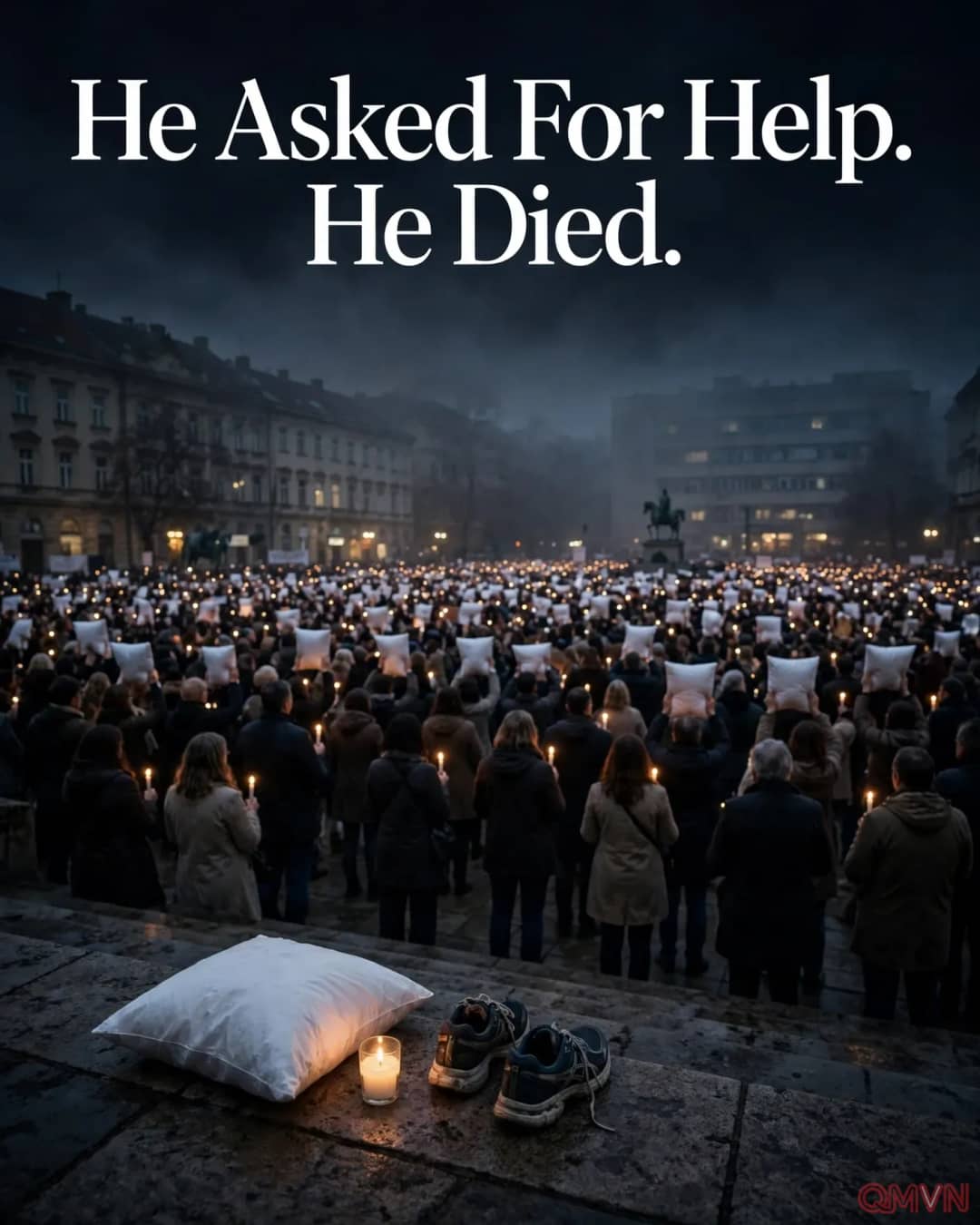
On Saturday evening, Ban Jelačić Square became a place of collective mourning. The white pillows carried by protesters were not simply memorial objects: they pointed directly to video footage whose publication has intensified scrutiny of what happened inside the clinic. The presence of thousands in the capital, alongside a reported march of roughly 1,000 in Rijeka, demonstrated how one family’s bereavement had become a national question about hospital care.
Peris’s relatives say he sought treatment and did not return home. Their lawyer, Leon Zrnic, has alleged that staff struck and suffocated him and that he suffered broken ribs. These are grave allegations, not findings of guilt. Video images can help establish a timeline, but investigators must also examine medical records, witness testimony, forensic evidence and the clinical decisions made before and during restraint.
A protester, Mirna Strugar, told Reuters that viewing the footage left her shocked and that she hoped such events would never recur. Her reaction captures a central tension: hospitals are entrusted with people at their most vulnerable, and their therapeutic purpose makes credible accusations of violence especially disturbing. Protesters sought both justice for Peris and assurance that other families would not face a similar tragedy.