MAIN CONTENT
A distance that changes the meaning of a conversation
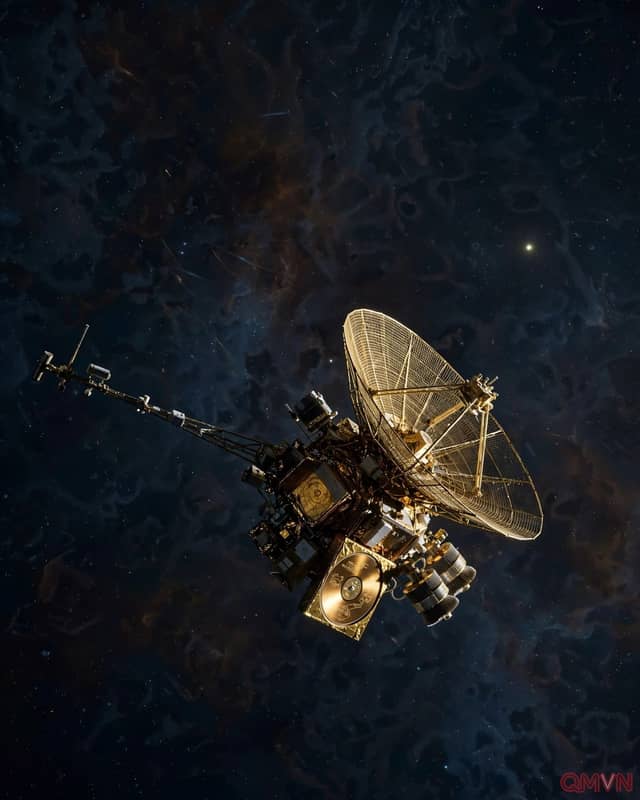
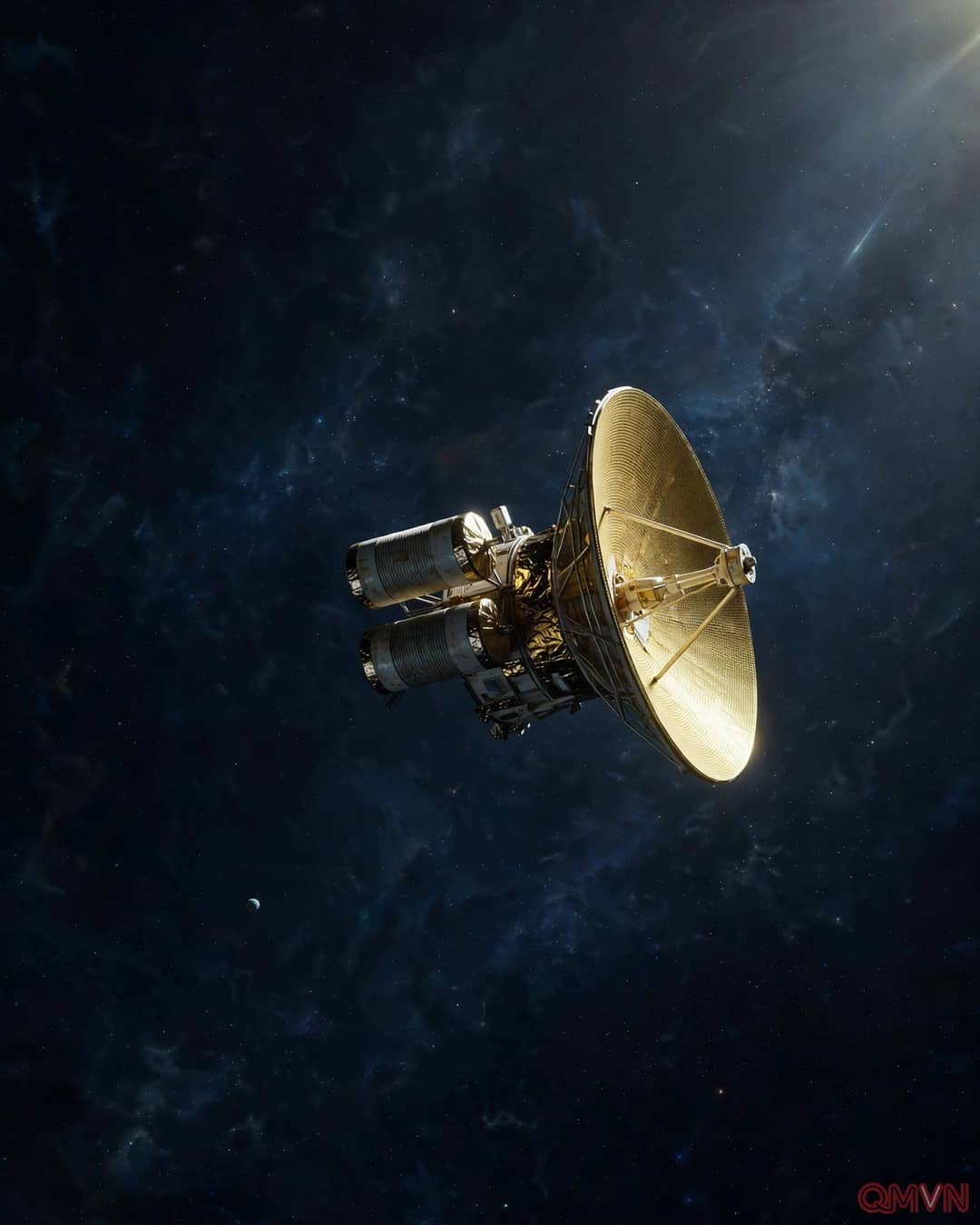
NASA places the milestone at 5:16:07 a.m. Eastern Standard Time on Wednesday, November 18, equivalent to 10:16:07 UTC. One light-day is a unit of distance rather than duration: the approximately 25.9 billion kilometers light traverses in 24 hours. The number is difficult to visualize, but its practical consequence is clear. Commands sent from Earth must travel for about a day before reaching the probe; any response requires another long journey home.
Voyager 1 is moving at roughly 61,000 kilometers an hour relative to the Sun, yet its speed is tiny compared with light. Mission operators cannot steer it through an immediate conversation, and a malfunction cannot be diagnosed with quick exchanges. The farther it travels, the more valuable careful planning, autonomous safeguards and ground antennas become. Distance is thus not just a record on a chart; it reshapes how people work with a machine they can no longer touch.
The planetary encounters that made the voyage possible
Voyager 1 left Cape Canaveral on September 5, 1977, after its twin Voyager 2 had launched on August 20. Although it departed later, its route allowed it to overtake Voyager 2.