MAIN CONTENT
Reaching 16 Billion Miles and a Global Morse Code Tribute
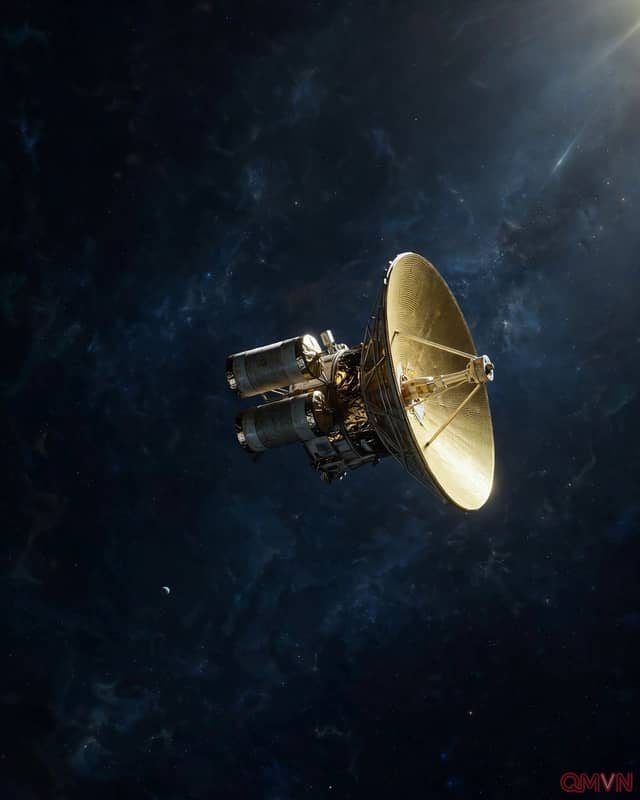
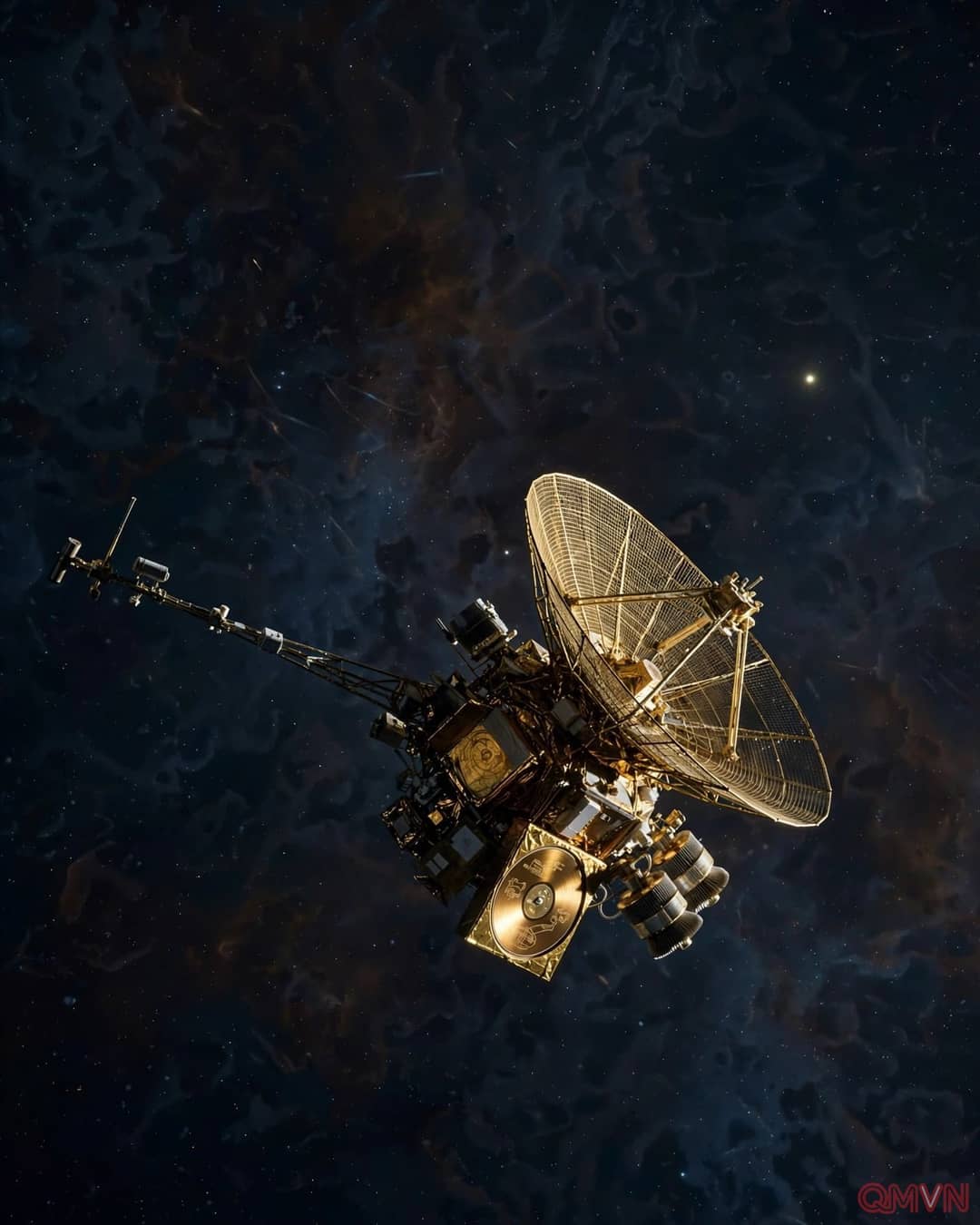
Hurtling through interstellar space at 38,000 mph (61,000 kph), NASA’s Voyager 1 will reach the historic one light-day threshold on Wednesday, meaning every command sent from Earth and every telemetry ping returned will require 24 hours each way. According to NASA officials in Cape Canaveral on November 14, 2026, the spacecraft faces another 18,000 years of travel before achieving a full light-year and more than twice that before passing near another star system.
Project manager Suzanne Dodd, who has worked with the Voyager mission since 1984, views the probe as humanity’s interstellar envoy inspiring wonder back on Earth. To mark the occasion, NASA is inviting skywatchers worldwide to step outside after sunset Tuesday and flash phones or flashlights in Morse code to spell V-G-R—Voyager’s call sign—into the night sky.
"It is a national treasure. Really extraordinary." Suzanne Dodd
Enduring Old Age in the Uncharted Expanse Between Stars
Launched in September 1977 two weeks after its twin Voyager 2, Voyager 1 dazzled scientists with flybys of Jupiter in 1979 and Saturn in 1980 before crossing into interstellar space in 2012. Voyager 2 went on to capture breathtaking images of Uranus and Neptune before entering interstellar space in 2018, though its slower trajectory means it will not reach the one light-day mark until 2035.