MAIN CONTENT
Three missiles in a matter of minutes
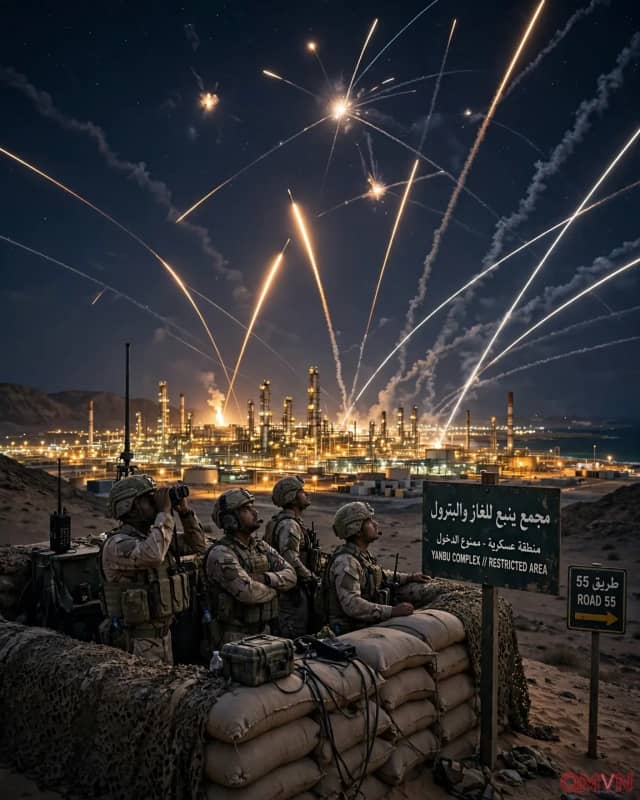
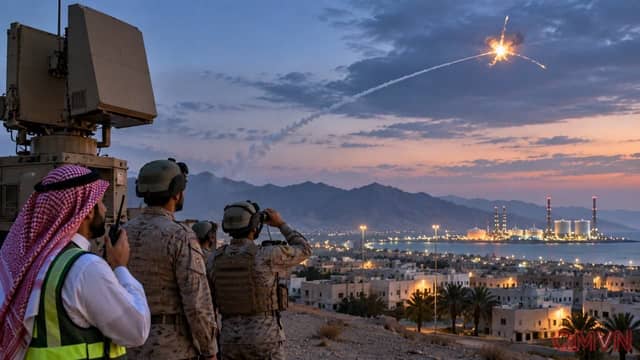
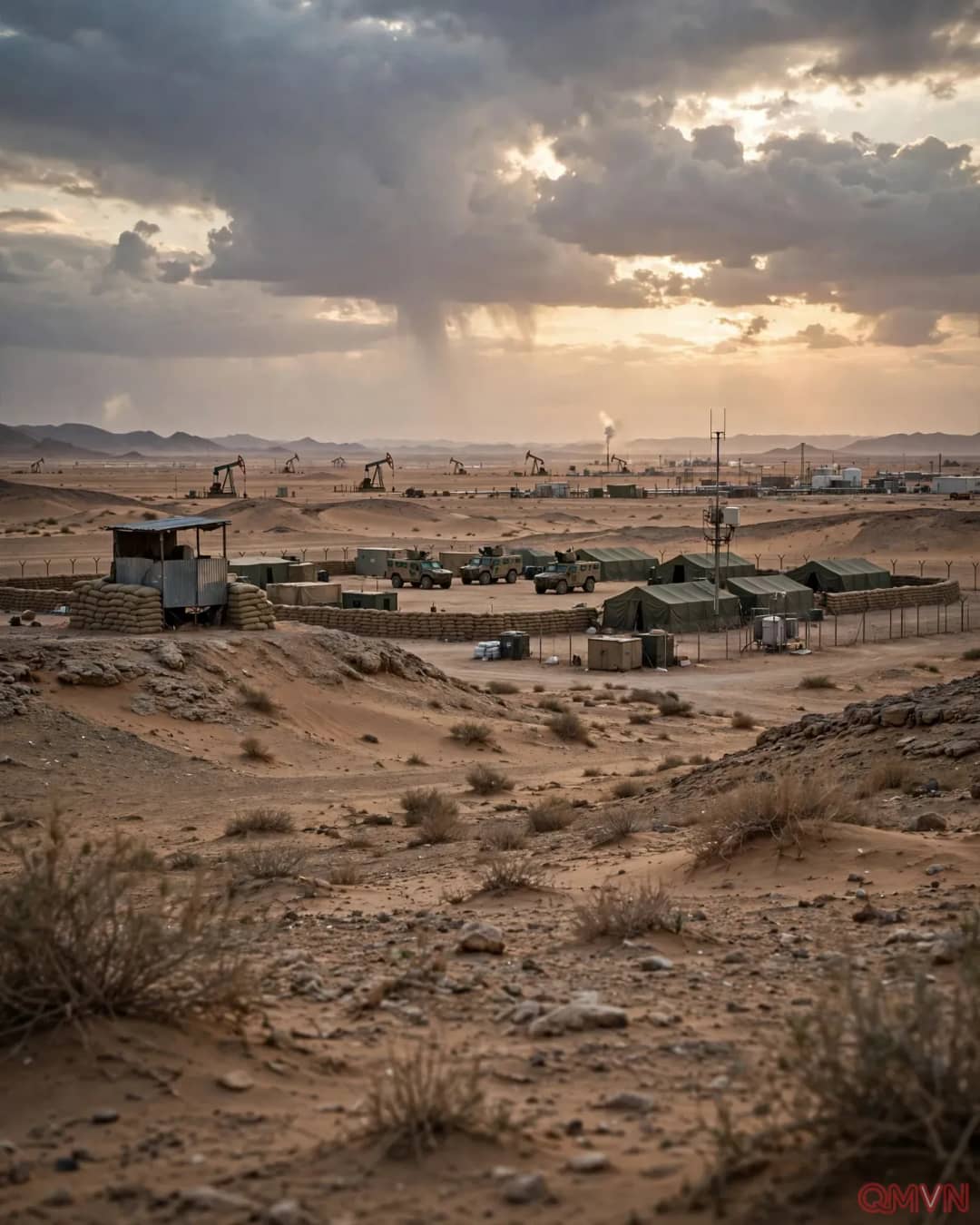
The al-Alam camp lies in Jardan district, north of Ataq, the capital of Shabwah province – a desert region home to most of Yemen's oil and gas fields. On October 19, hundreds of young men who had just enlisted in local security forces, many aged only 18 to 20 and promised pay for showing up, gathered for training while Saudi officers stood ready to instruct them. Witnesses said three ballistic missiles struck after four battalions had massed; one hit recruits as they fled the first blast.
Chaos followed as fighters looked nervously to the sky and carried away badly wounded comrades without any air-defense cover. Provincial hospitals were overwhelmed and had to transfer the most critical cases to Hadramout and Aden. Relatives of the victims blamed the base commander for ignoring warnings about drones that had circled the camp in the preceding days, and Shabwah authorities urged Saudi Arabia to speed up the provision of air-defense and early-warning systems. The Houthi-run Saba news agency said the group had targeted “Saudi enemy gatherings,” while Presidential Leadership Council head Rashad al-Alimi promised a “firm response.”
A string of strikes on reinforcements
The Shabwah strike was not an isolated event. On October 15, a drone and missile attack targeted Al-Maashiq Palace in Aden, the seat of Yemen's internationally recognized government, killing and injuring several people, including Saudi officers whose housing was hit.
Last Wednesday, an airport near the eastern port city of Mukalla was attacked shortly after Saudi reinforcements reached a base there.
“The bigger picture is that the Houthis are systematically targeting military reinforcements and redeployments across Yemen, including newly arriving vehicles, ammunition shipments, troop concentrations and gatherings at recruitment centers.” – Mohammed al-Basha
Yemen expert Mohammed al-Basha, who runs the US-based risk-advisory firm Basha Report, says the attacks show the Houthis can gather sensitive intelligence on their enemy's movements and respond quickly and precisely. The Saudi government did not respond to requests for comment.
“This is not 2015”
With Iran's support, the Houthis now deploy far more sophisticated drones, missiles and intelligence networks, able to launch precise, well-timed strikes inside and outside Yemen. A UN report published last year said the group possesses advanced surveillance capabilities; its control of telecommunications equipment in San'a allows it to intercept calls on Yemeni numbers, hack phones, and read and copy messages. Some Yemeni officials suspect the al-Alam camp had been infiltrated by Houthi informers.
This is not 2015. This is exponentially worse.
The week before the attack, Yemen's government condemned the Houthis' use of civilian telecom networks for military operations and espionage, and warned the public that spying for the group could bring charges carrying the death penalty. The al-Alam camp was held for years by forces allied to the United Arab Emirates until the UAE withdrew from the area in 2021; since then, Saudi-backed fighters have used it for training, logistics and command.
Riyadh’s dilemma
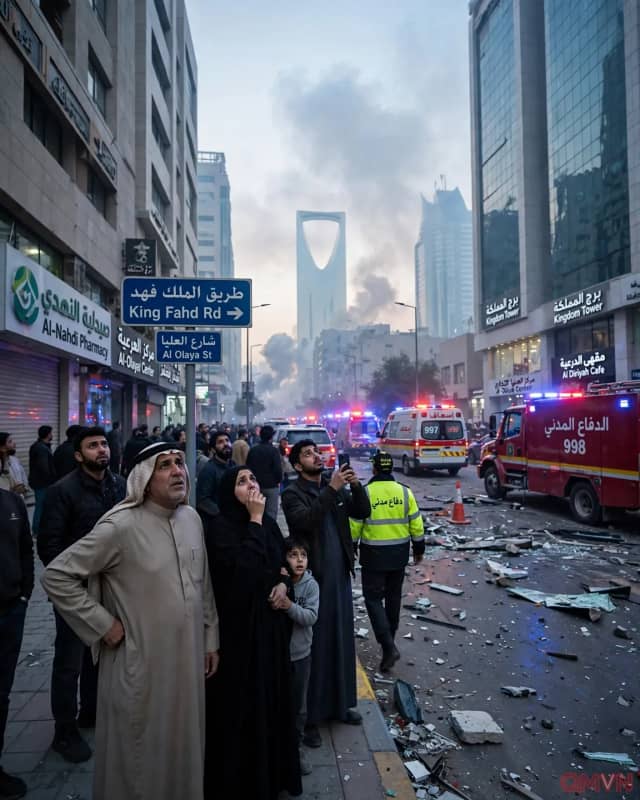
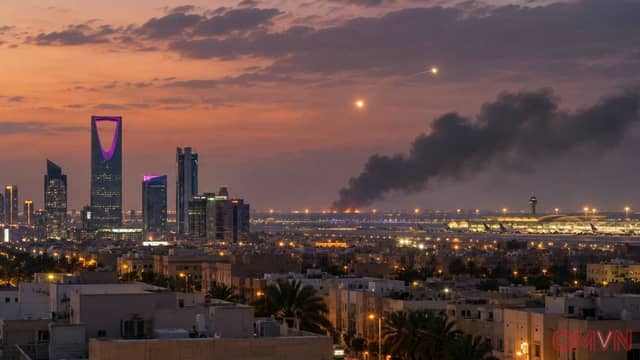
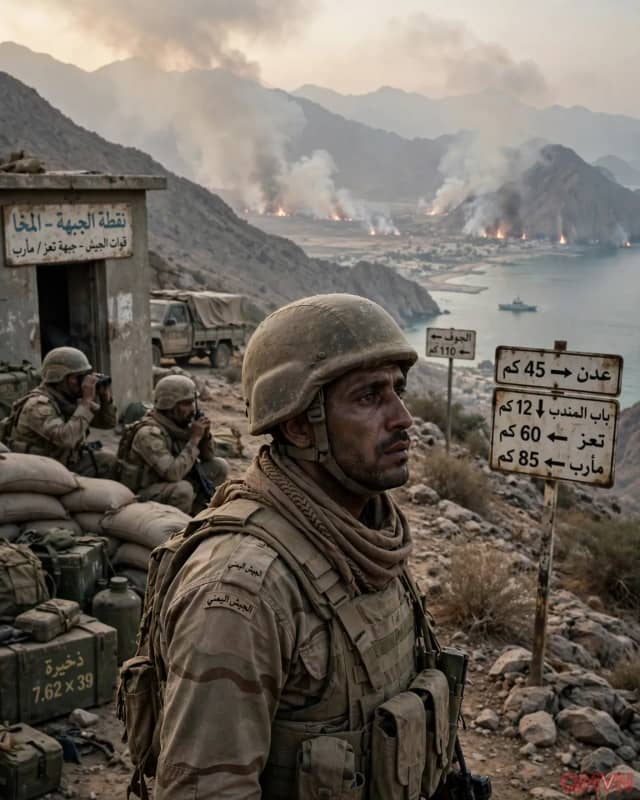
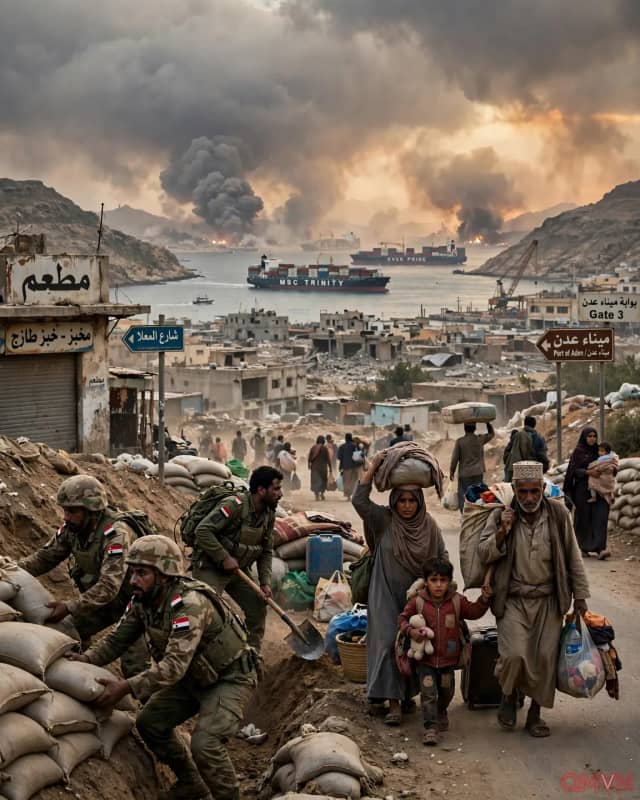
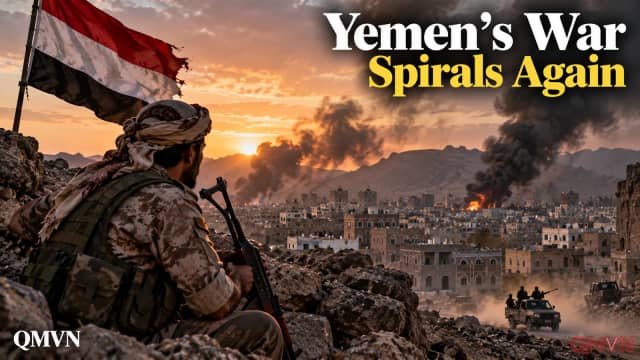
Fighting reignited this summer after Yemen's government and the Saudi-led coalition struck the Houthi-held San'a International Airport in July, shattering the 2022 ceasefire, and escalated quickly. The Houthis seized territory along the Red Sea's Bab al-Mandeb chokepoint, including the port city of Mocha, threatening Saudi oil exports, and repeatedly struck Riyadh's international airport, killing at least 18 people and disrupting flights for weeks. A counteroffensive by Saudi-backed forces launched early this month has made little decisive progress, while the Houthis threaten the strategic city of Taiz and keep attacking Aden.
Observers say that to mount a major offensive, Saudi Arabia will have to recruit more fighters on the ground or send more of its own forces into Yemen – both potentially bloody options, as the Shabwah strike has shown. Meanwhile, those paying the highest price remain poor young Yemenis who came to training camps hoping for a wage, and families still waiting for news of the missing.