MAIN CONTENT
The ballot and the forest
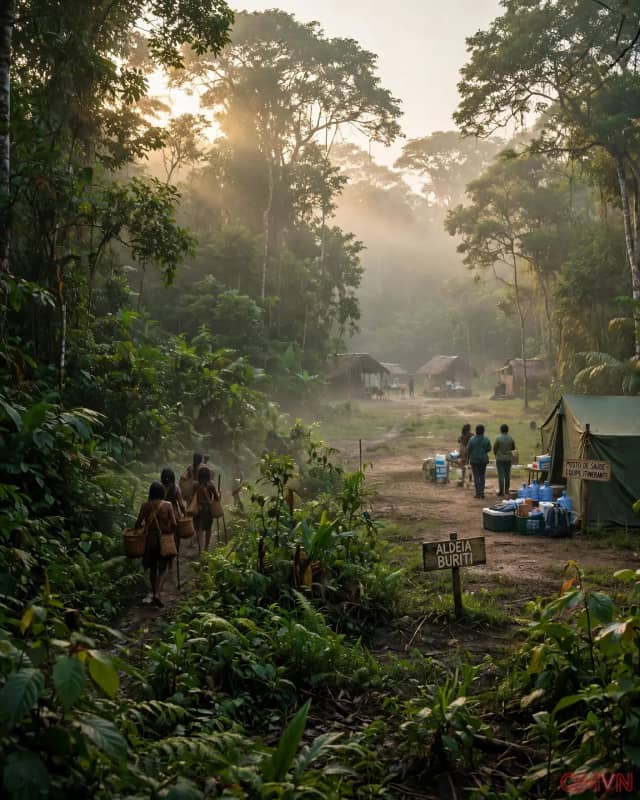
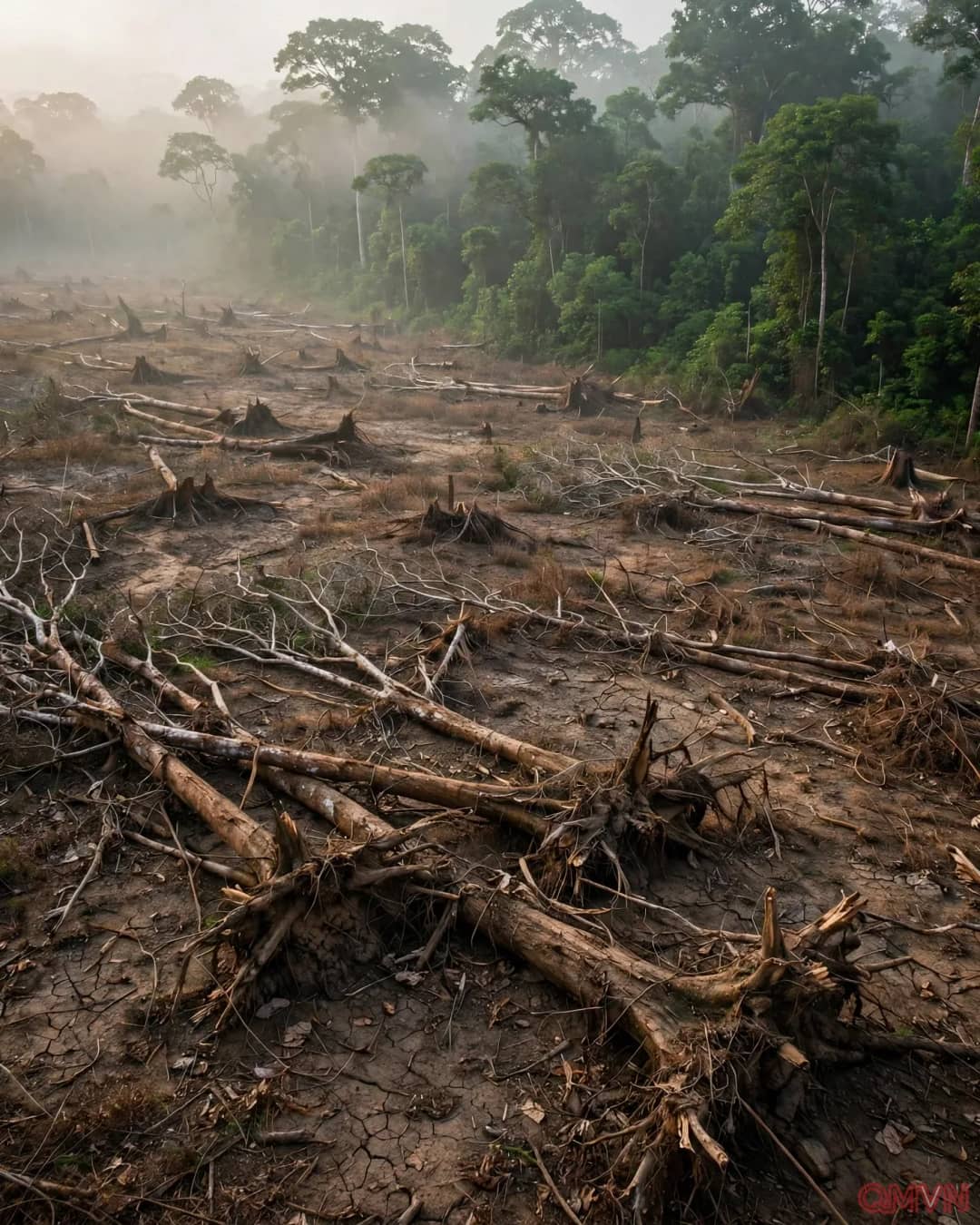
Brazil holds about 60% of the Amazon, which spans several South American countries. During the campaign, the two candidates offered opposing visions. Lula has sought to curb deforestation and finance a sustainable economy through international donations and public and private funding. Flávio Bolsonaro has said he does not believe climate change is real, while casting himself as an environmental defender; he called for a “modernization” of environmental laws and more decision-making power for Amazon landowners – changes environmentalists say would weaken safeguards. Under his father, former President Jair Bolsonaro (2019–2022), deforestation surged as enforcement agencies were dismantled.
With Lula's victory, current policies are expected to continue. Last week, the government announced the lowest Amazon deforestation rate on record. Indigenous and environmental groups warn, however, that far-right gains in Brazil's Congress could still threaten protections, and science shows that the danger does not come from chainsaws alone.
A “tipping point” – the threshold of no return
A tipping point is a threshold beyond which a small change can trigger a major shift in an ecosystem or climate system – something scientists also study in Antarctic ice sheets and Atlantic Ocean circulation. For the Amazon, some research suggests that losing more than 20% of the forest, combined with warming of around 2°C since the early 1800s, could trigger widespread changes.