MAIN STORY
An unexpected approach at the forest’s edge
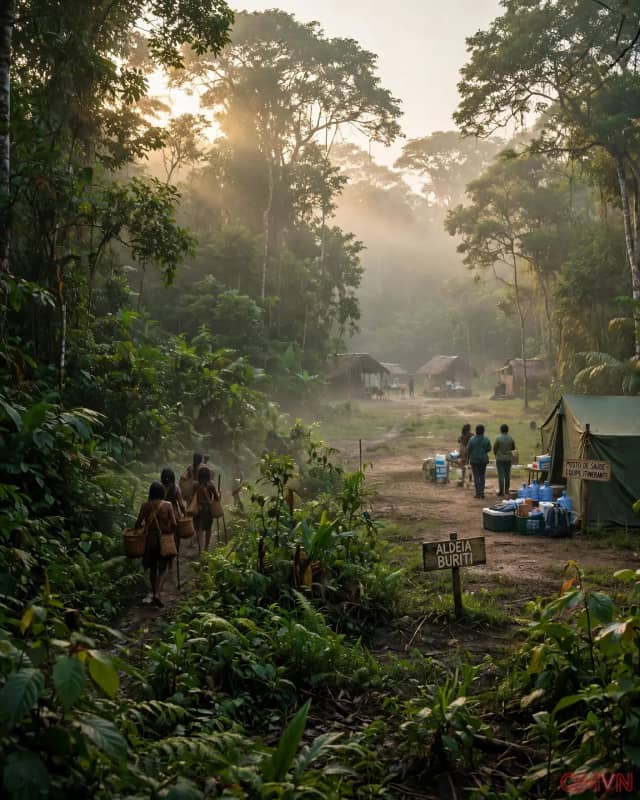
On November 16, according to Survival International and Indigenous reports, about 20 Awá approached an area near a Guajajara community and a government protection post inside Araribóia, on the eastern edge of the Amazon. Early accounts said they were seeking food. Brazilian reporting placed the encounter near Tawari village. Such details deserve careful field verification, given the limited sustained contact between these people and wider society.
Survival International called the moment exceptional in recent decades. It said the footage was released following a request from Indigenous forest guardians, while Reuters cautioned that it could not independently authenticate the filming location and date. A brief approach does not mean an entire people have chosen to abandon isolation. Assuming their intentions from a few photographs risks substituting outsiders’ curiosity for their own decisions.
Land pressure and the question of food
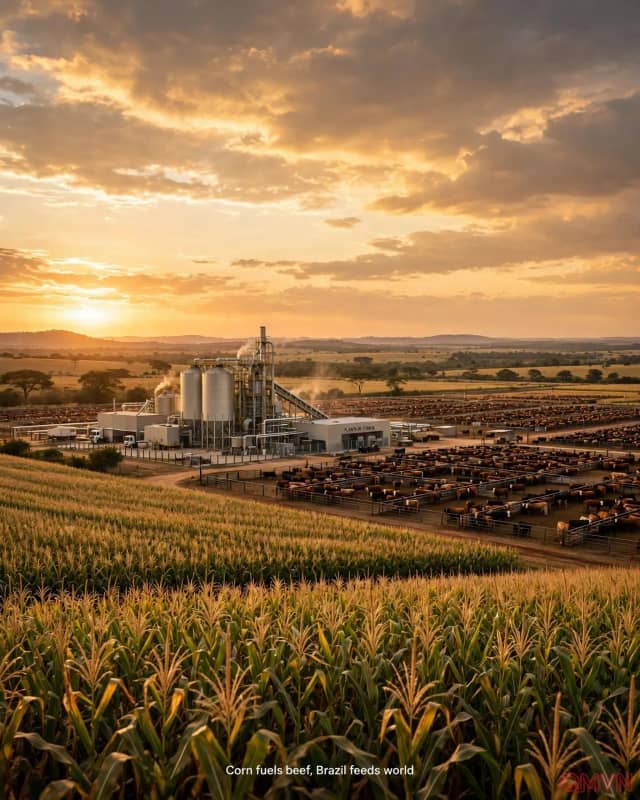
The Awá are a Tupi-Guarani people, some of whom continue to live in voluntary isolation in Maranhão’s forests. Indigenous-rights groups argue that illegal logging, hunters, expanding cattle operations and forest access roads can erode the space needed for hunting, gathering and movement.