A safety net under mounting pressure
SNAP is designed to supplement the grocery budgets of eligible households rather than cover every living expense. According to the US Department of Agriculture (USDA), the program served an average of 42.1 million people per month in fiscal 2025, at a federal cost of $101.7 billion. That scale explains why even modest changes in eligibility can affect millions of shopping baskets, as well as the communities in which recipients spend their benefits.
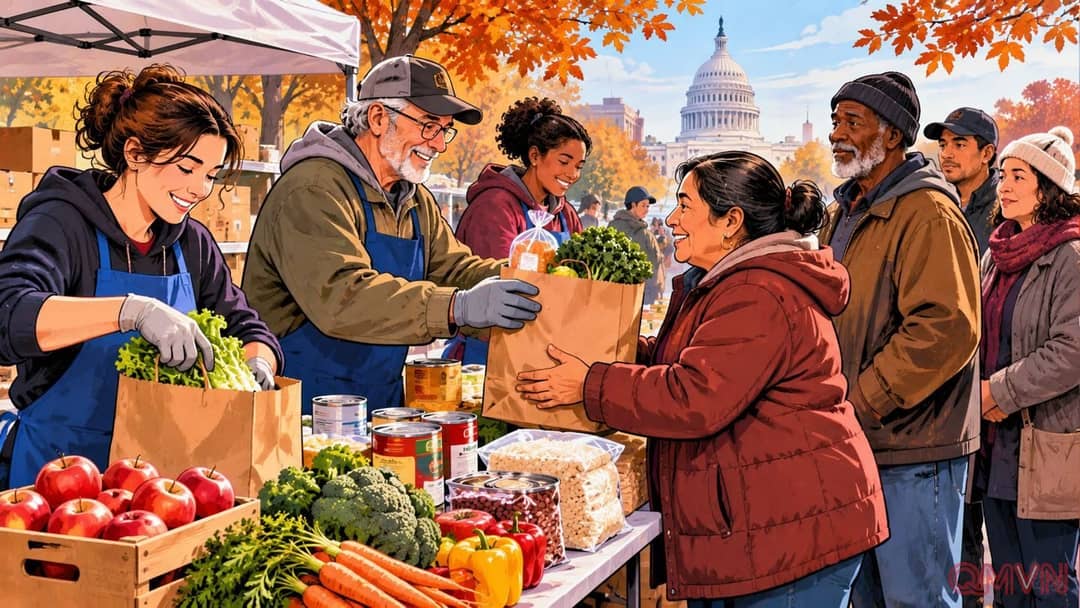
The reported decline in enrollment since July 2025 comes at an especially difficult time. Reuters noted that higher diesel costs and the conflict involving Iran had contributed to pressure on food prices. For households with limited savings, the end of assistance can mean choosing between groceries and other essentials. Food charities can help bridge immediate gaps, but their supplies and volunteer capacity are not a substitute for predictable monthly assistance. A falling caseload, moreover, does not by itself establish that recipients have become financially secure.
What the budget law actually changes
The 2025 legislation affects more than the amount of assistance paid. CBO's 2026 budget outlook identifies changes to work requirements, benefit calculations and administration. The projected $187 billion reduction is a cumulative estimate against an earlier budget baseline, not a sum already removed from household accounts.