MAIN ARTICLE
Thirty seconds that transformed a flight
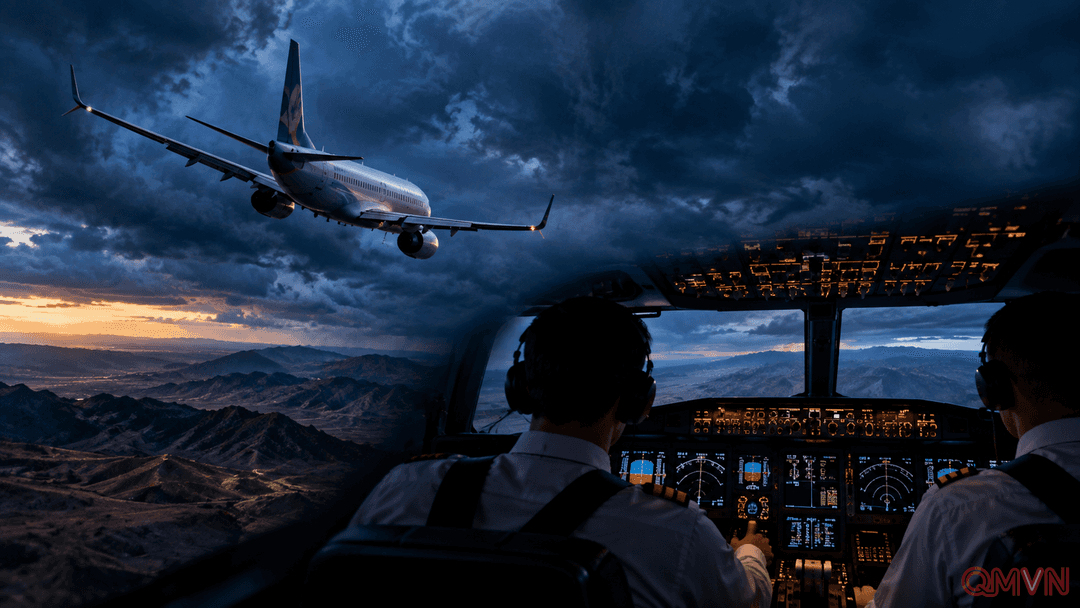
Flight FZ1073 was heading toward Tel Aviv when violence erupted in the cockpit, according to Reuters. Prosecutors in the UAE said the co-pilot used an emergency crash axe to attack the captain, describing the incident as a terrorist attack. The stated characterization remains part of an ongoing investigation rather than a final judicial determination.
Passengers helped overpower the alleged assailant during the dive. Two other qualified pilots travelling aboard then helped restore control and fly the Boeing 737 MAX 8 to Tabuk in Saudi Arabia. Saudi officials said the emergency landing was successful; the captain suffered injuries.
The outcome depended on rapid intervention under extreme pressure. Yet an extraordinary recovery should not obscure the need to examine recruitment checks, crew safeguards, and how a cockpit emergency is managed when a person trusted to operate the aircraft becomes the source of danger.
What the simulation reveals—and what it cannot
In Sherfield on Loddon, southern England, Alberto Paduanelli of ALPA Simulation recreated the descent for Reuters. A reported 16,000-foot altitude loss in 30 seconds works out to an average descent of roughly 533 feet per second; that calculation does not establish the aircraft’s instantaneous vertical speed throughout the incident.