Starting from skeptical stares
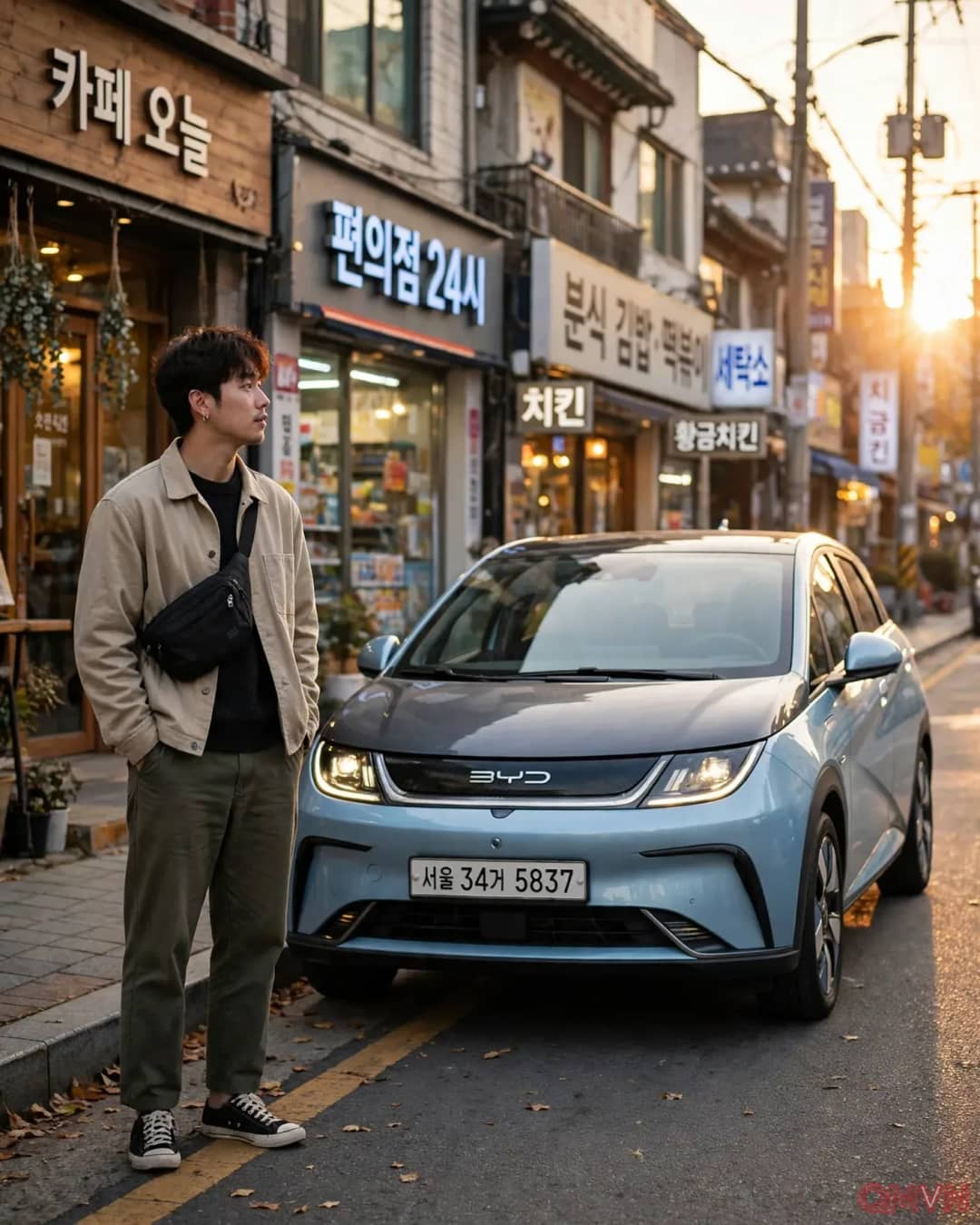
In July, 48-year-old Seoul resident Kim Min-seon decided to buy an electric car from BYD. The reaction from people she knew was immediate and wary – understandable in a country that long dismissed Chinese cars as poor quality.
*“Everyone reacted like, ‘Why did you buy a Chinese car? Are you trying to get yourself killed?’” – Kim Min-seon*
Her reasons were practical. The compact Dolphin cost around $18,500, came well equipped and, crucially, was available. She had initially wanted a Hyundai Casper EV but was told she would have to wait more than two years for delivery.
A breakthrough in South Korea
According to market research firm Carisyou, BYD sold more than 20,000 vehicles in South Korea in the first nine months of the year – double the 10,000 target it had set for all of 2026 and more than three times its 6,107 sales in 2025. The company only began selling passenger cars there in January 2025, starting with the compact Atto 3 SUV.
Timing has been crucial. Roughly a quarter of new cars sold in South Korea this year were EVs, and gasoline prices have risen almost 10% since the US-Israeli war with Iran began. Hyundai and Kia, meanwhile, focus mainly on premium EVs, offering only a few models under $30,000.