MAIN ARTICLE
A military pause is not a ceasefire
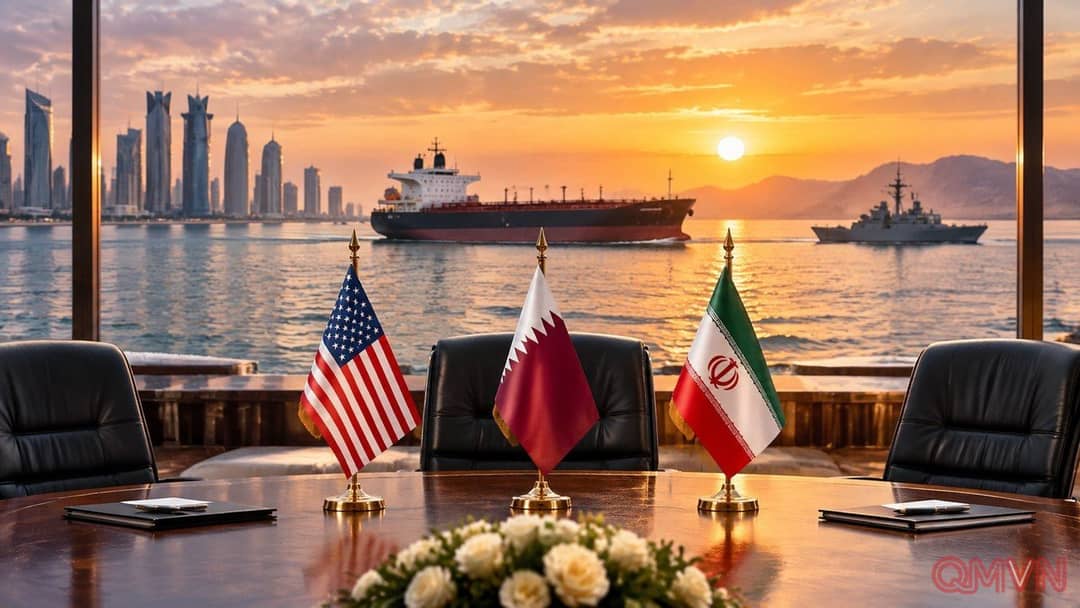
Washington’s message had two distinct parts: no new major air campaign for the moment, but no surrender of maritime pressure. In comments to Reuters and at the White House on November 9, Trump said he had heard appeals from Qatar, Saudi Arabia, the United Arab Emirates, Bahrain and Kuwait. Those governments have strong reasons to fear another round of escalation that might threaten their infrastructure, trade and civilian populations.
The announcement, however, was not a pledge to end military operations. The United States still intends to maintain its naval blockade around Iran and says it retains the ability to strike again. A pause is reversible at short notice; an enduring peace requires arrangements that both adversaries regard as enforceable. That distinction matters when each side worries that restraint could provide the other a tactical advantage.
The atmosphere remains fragile. Iranian media reported strikes on Qeshm island, while maritime incidents involving tankers continue to draw conflicting accounts. Washington had not publicly addressed some of the specific allegations described by Iranian outlets. Claims about responsibility, damage and military targets should therefore be attributed rather than treated as independently established findings.