MAIN STORY
More ships, but no return to normal
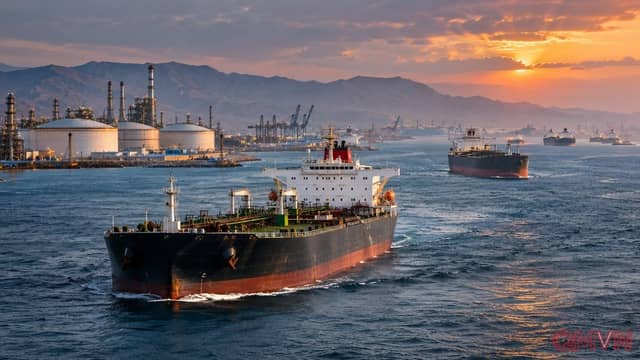
The dramatic change is measurable. According to shipping data discussed by The New York Times and attributed to Kpler, regional oil exports averaged about 16 million barrels a day in September. Roughly 10 million barrels passed through Hormuz while another 6 million used pipelines and ports outside the strait. Before the war, the comparable regional total was around 19 million barrels a day. Different market analyses use different definitions of crude exports, routes and periods, so their precise totals should not be treated as interchangeable.
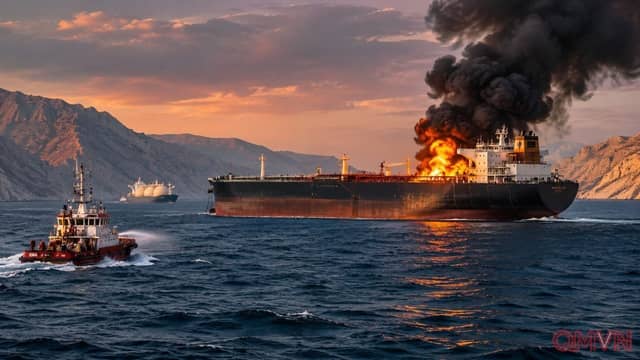
This recovery does not mean merchant ships can cross without fear. The Wall Street Journal reported fresh attacks on tankers late in September, even as trade revived. A waterway can carry substantial cargo and remain highly insecure at the same time. What has changed is not the disappearance of the danger, but the willingness and ability of some operators to navigate around it.
The extraordinary price of taking a chance
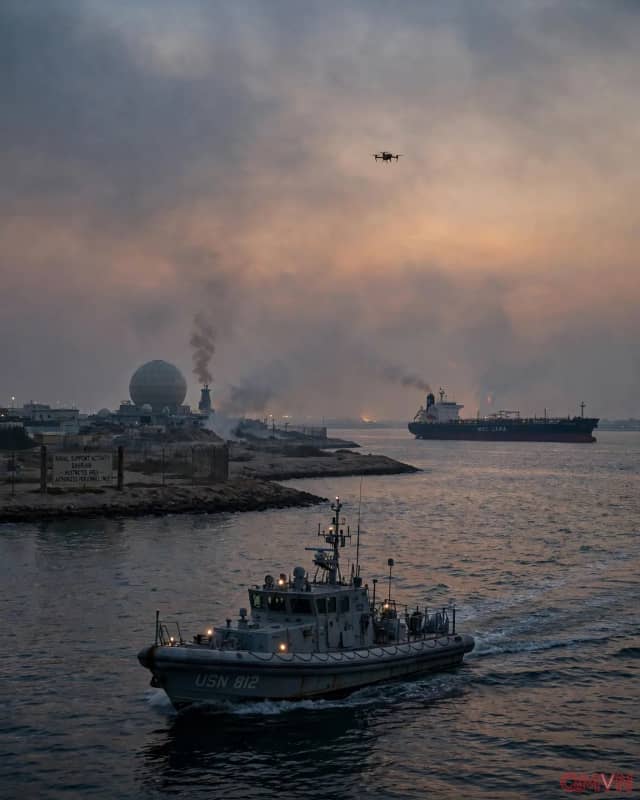
Military cover and commercial incentives have helped reopen a portion of the traffic. The United States has provided air protection for some ships, while Gulf exporters have arranged unusually lucrative contracts to move petroleum out of the region. Some cargoes take complicated routes involving pipelines, alternative loading ports and transfers between vessels. Each workaround adds cost, logistical pressure or exposure to attack.