MAIN ARTICLE
Why surplus fears are overtaking the war premium
Energy traders are rapidly reassessing what matters most. Reuters reported that, at 07:20 GMT on November 17, Brent had lost 82 cents, or about 0.9%, to $91.62 a barrel, while West Texas Intermediate dropped 83 cents, or roughly 1%, to $84.89. These figures describe an intraday snapshot, not the market's final settlement. Although violence around the Gulf has not ended, investors are increasingly questioning whether crude remains as scarce as it seemed only weeks earlier.
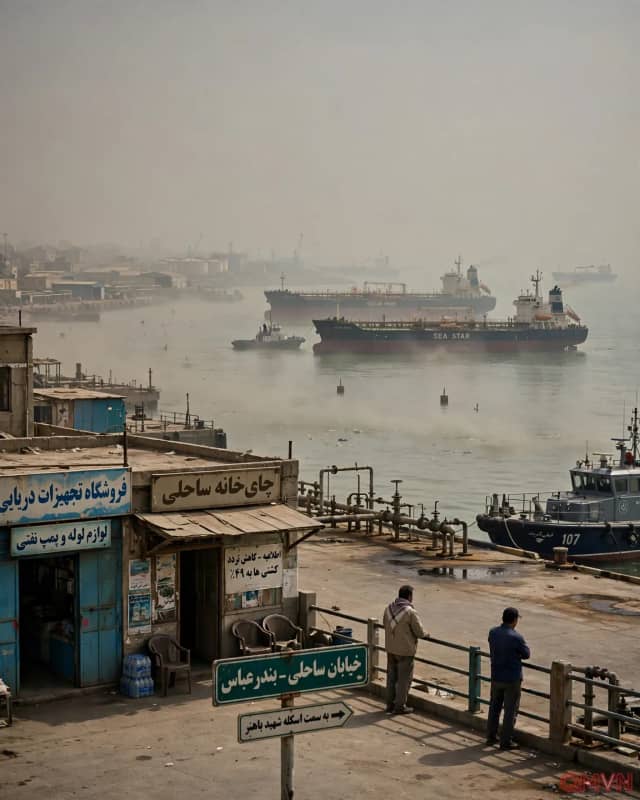
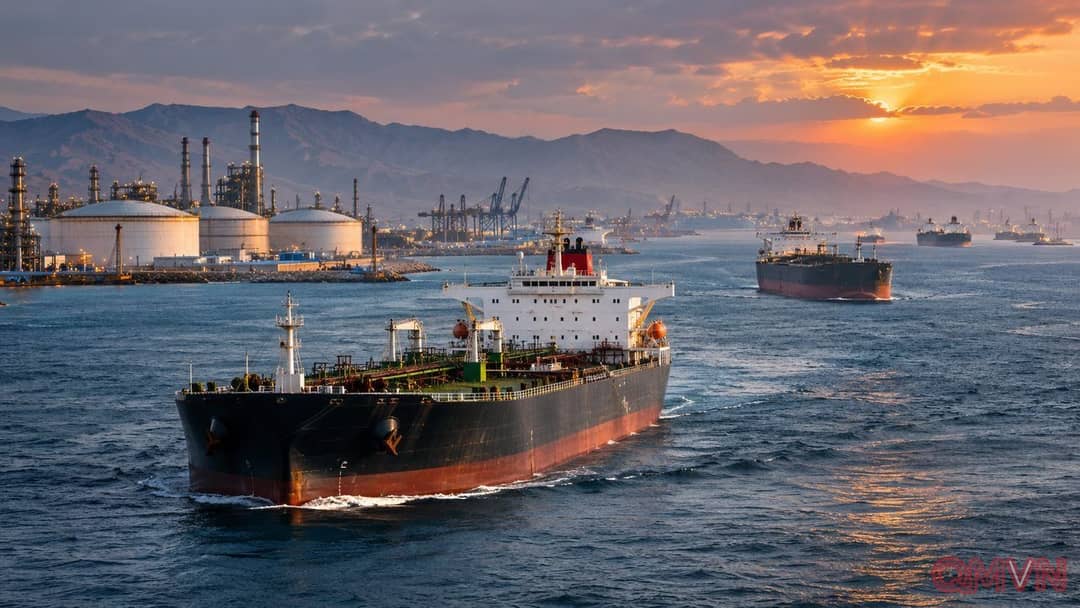
Prices respond not just to threatened supply but to barrels that actually reach buyers. More shipments leaving Middle Eastern ports have softened the scarcity fears that previously dominated trading. The changing balance between production and consumption is exerting greater pressure than the geopolitical risk premium. This is a shift in expectations, not proof that the underlying security threat has vanished.
The figures behind a changing market
In its November report, the IEA said global oil supply reached 105.4 million barrels a day in October, up 2.3 million barrels a day from September. Gulf exports excluding Oman recovered to about 18.4 million barrels a day, still 26% below their prewar level. Crude shipments have recovered faster than refined products. Alternative corridors, changed shipping arrangements and adaptations by exporters have helped bring additional barrels back into international trade.