Complementary strengths
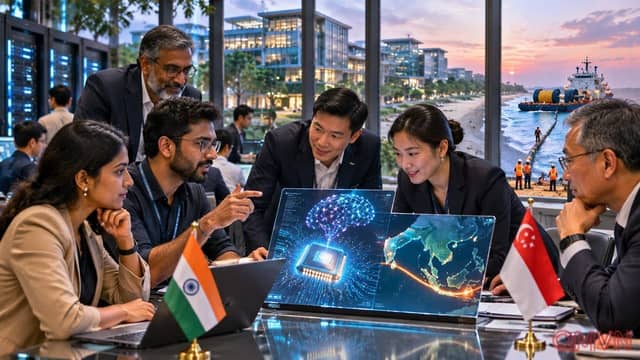
India has one of the world's largest technology workforces and a vast market of more than 1.4 billion people, giving AI developers both talent and data at scale. Singapore, by contrast, is small but wealthy, with deep capital markets, sovereign investment funds, a stable regulatory environment and a role as a regional hub for cloud computing and data centres. Analysts argue that together they can cover each other's gaps: Indian engineers build and adapt AI applications, while Singaporean capital and infrastructure help scale and export them to Southeast Asia and other markets.
Cables, chips and data centres
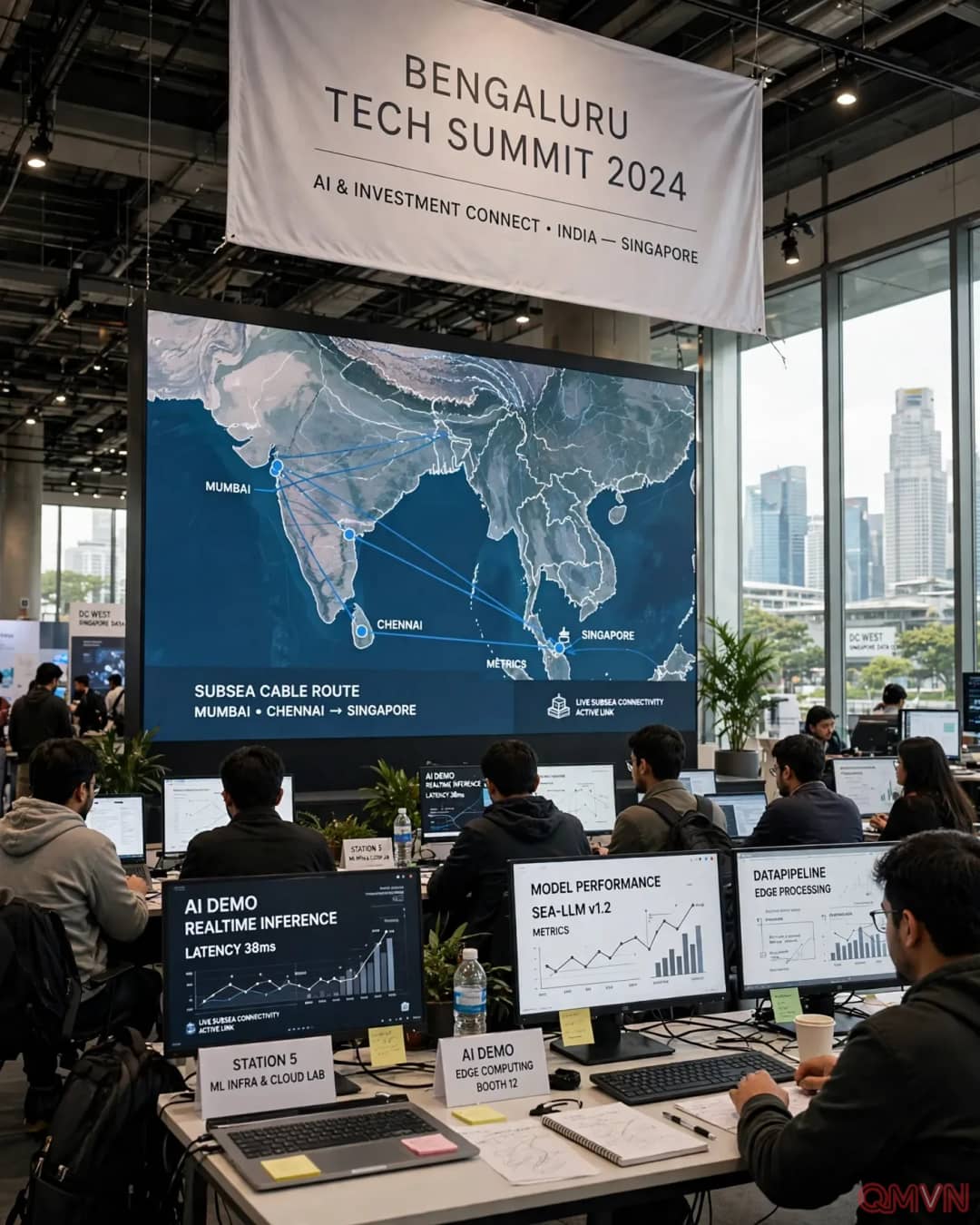
The partnership is being built on physical foundations. In June, Tata Communications announced investments of about US$152 million in subsea cable capacity between the two countries:
- adding 20 terabits per second of capacity on a cable system between Mumbai and Singapore, at a cost of about US$63 million;
- joining a consortium building a new cable between Chennai and Singapore, contributing 78 terabits per second for about US$89 million, with service expected in the fourth quarter of 2029;
- connecting both routes to its domestic fibre network, which links more than 100 data centres across India.