Escalation of U.S.-Iran Conflict
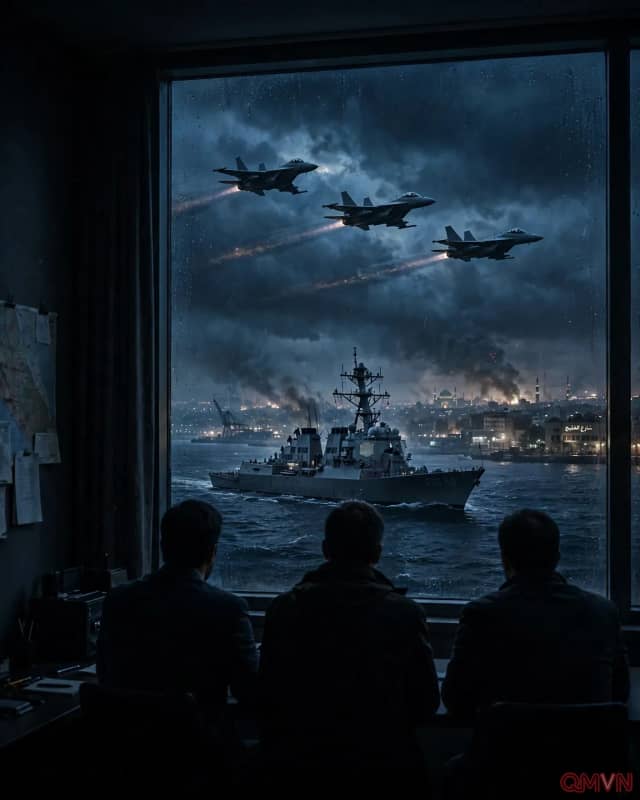
The conflict between the U.S. and Iran once again intensifies after Iran launched a series of missiles targeting U.S. military forces stationed in the Middle East yesterday evening Eastern Time, confirmed by the U.S. Central Command. All missiles were successfully intercepted by the U.S. The U.S., in coordination with Saudi Arabia, retaliates with attacks targeting Iran-supported militias in Iraq, marking Saudi Arabia's rare involvement in this conflict.
This escalation of violence occurs on the day President Donald Trump meets with Israeli Prime Minister Benjamin Netanyahu and Ukrainian President Volodymyr Zelenskyy at the White House. According to reports, Netanyahu attempts to use the meeting to mend the strained relationship between the U.S. and Israel amid the ongoing war with Iran.
Positions and Priorities of the Parties in the Israel-Iran Conflict
After 5 months since Israel and the United States jointly launched the war, both sides are now facing divergent priorities and objectives. Israel focuses on continuing its military operations to counter security threats from Iran and the Iran-backed Hezbollah group in Lebanon. Israel is concerned that President Trump may sign an agreement that could restrict their self-defense capabilities. Conversely, Trump wants to quickly end this unpopular war while simultaneously expanding U.S. control at the Strait of Hormuz and containing rising fuel prices. Michael O'Hanlon, a member of the Brookings Institution, noted that the cooperative relationship between Trump and Netanyahu is quite close, yet both sides have still not found a way to resolve the current conflict.