MAIN ARTICLE
A once-taboo demand enters public debate
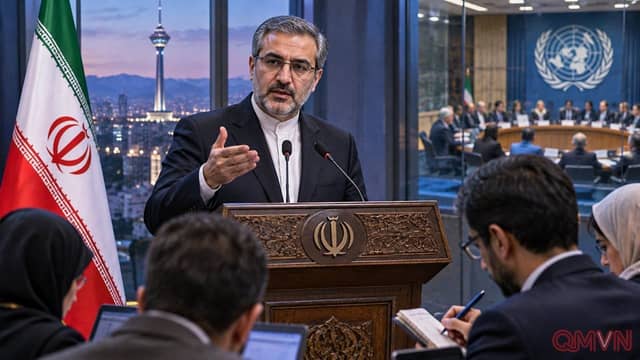
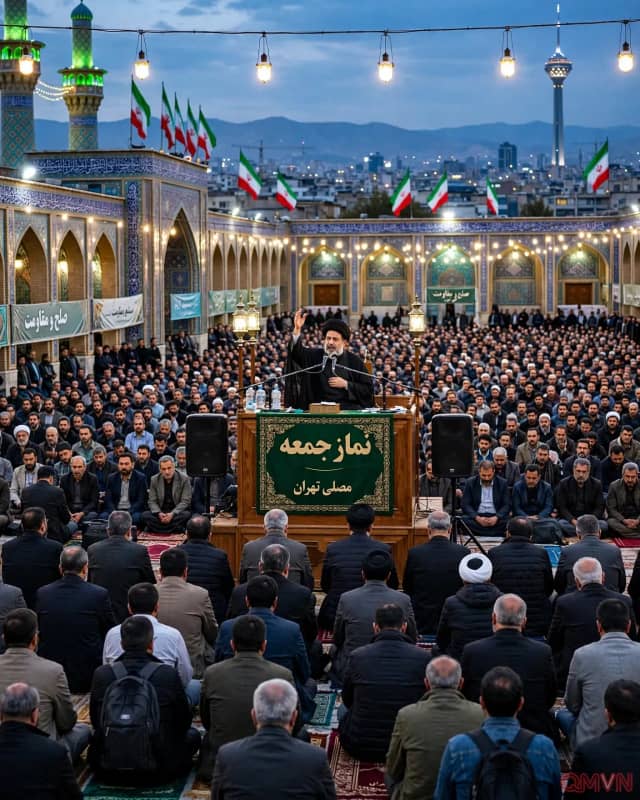
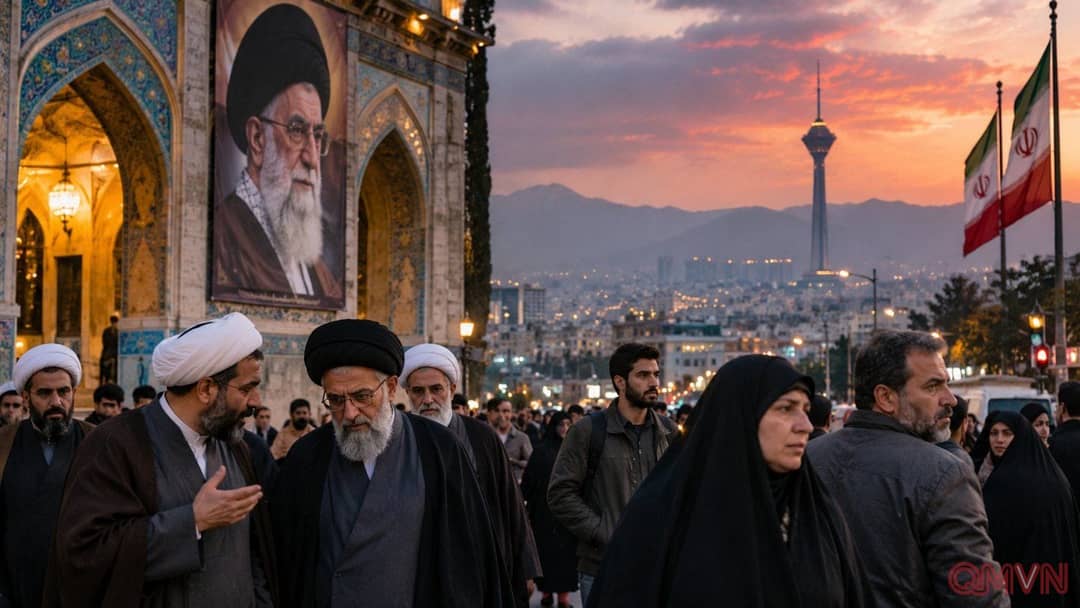
At recent Friday prayers, some Iranian clerics have gone beyond defending civilian nuclear energy and openly advocated possessing atomic weapons. Comments attributed to Ali Sepahvand in Kuhdasht, reported by The New York Times, illustrate a change in public political language. A position once treated as a fringe demand is now receiving an audience at religious gatherings and rallies. The shift reflects anger and insecurity following attacks that many people in Iran view as evidence of their country's vulnerability.
But a sermon is not a state directive, and public pressure must not be confused with a formal policy change. In an October 31 interview on state television, Mohsen Rezaei acknowledged a debate over whether Iran should retain its previous doctrine if war resumed. He also stated that no new decision had been made. That distinction matters: public figures may be testing an argument, expressing political frustration or deliberately sending a negotiating signal without having authorized a weapons program.
The promise of ambiguity—and its costs
For decades, Iranian officials cited a religious edict attributed to the late supreme leader Ali Khamenei prohibiting the development and use of nuclear weapons. At the same time, Tehran insisted on its right to enrich uranium for peaceful purposes.