MAIN STORY
A divided verdict built on the evidence
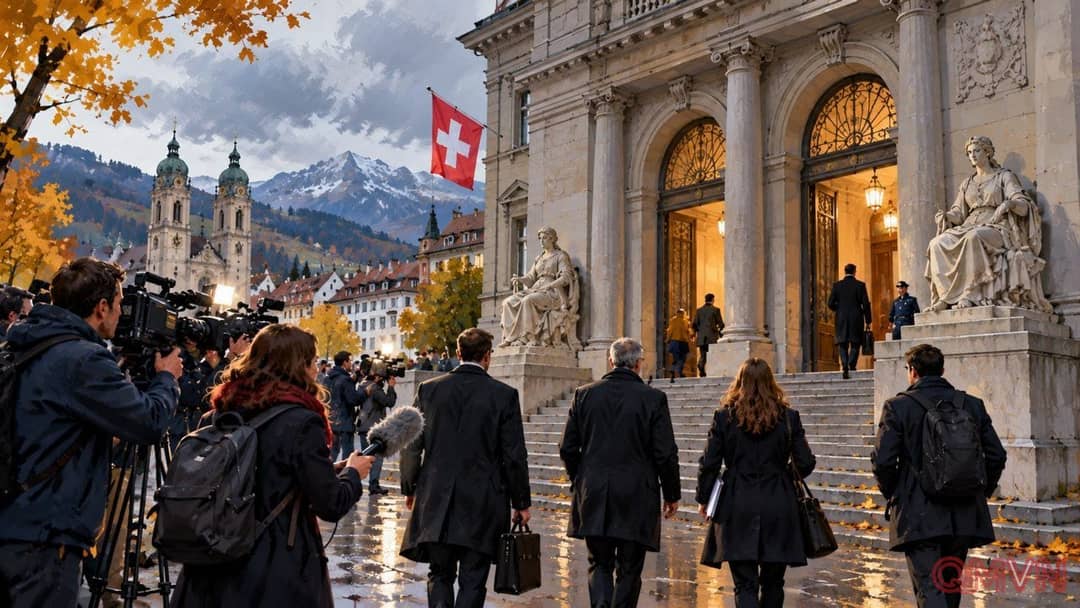
The prosecution concerned disappearances from 1999, when several opponents of Belarusian President Alexander Lukashenko vanished. Harauski, a former member of the SOBR security unit, had publicly described involvement in their abductions. This time the Swiss appellate judges found his confessions credible, departing from the doubts that had prevented a conviction at the first trial in 2023.
For Anatoly Krasovsky, the judges found that Harauski understood and intended his participation in the violent abduction that preceded the victim’s death. They could not establish the same mental element concerning Yuri Zakharenko. The distinction matters: even when allegations belong to a broader pattern, criminal courts must establish individual responsibility for each charge, rather than deliver a general verdict on an entire political era.
A public confession becomes a criminal case
In a 2019 Deutsche Welle interview, Harauski described taking part in operations against three Lukashenko opponents. Once his presence in Switzerland became known, victims’ relatives and organizations including TRIAL International, FIDH and Viasna pursued legal action.