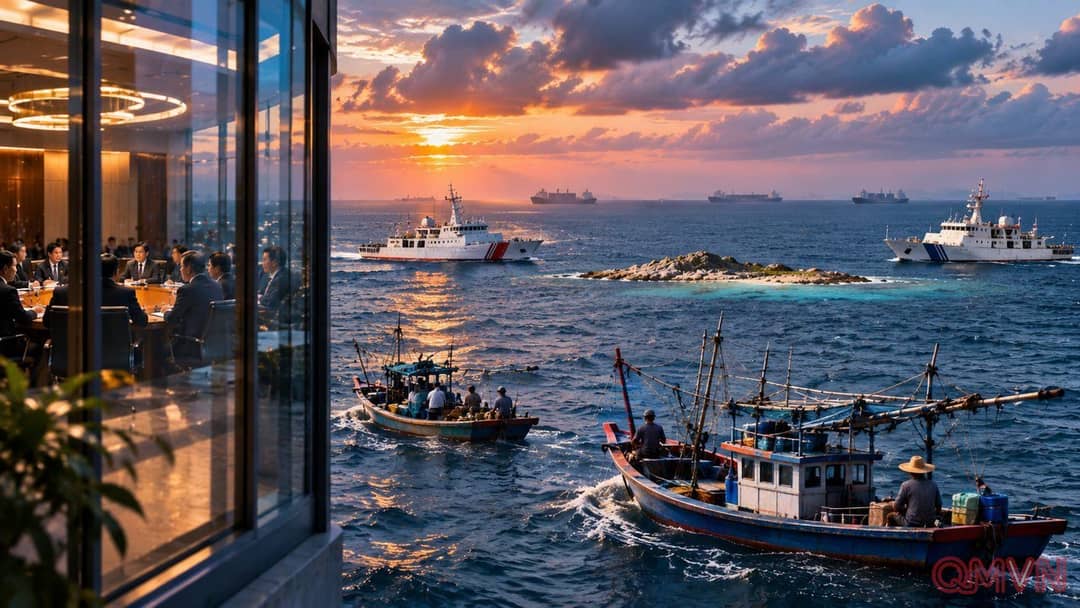
MAIN ARTICLE
Why the remaining 20% may matter most
Philippine Foreign Secretary Theresa Lazaro says negotiators have provisionally settled about four-fifths of the draft. Manila accelerated meetings during its ASEAN chairmanship, giving the process renewed momentum despite persistent maritime tensions. Progress on agreed language demonstrates that diplomacy is still possible.
Yet the share of paragraphs accepted is not a measure of how many political obstacles have been removed. A few unresolved provisions can determine whether states must alter conduct at sea, accept scrutiny or respond to violations. Specialists warn against mistaking an impressive completion percentage for a substantive bargain.
The decisive question is whether the code will simply encourage restraint or establish workable commitments, incident-management procedures and credible means of implementation. Without them, governments could announce success while the everyday sources of dangerous encounters remain largely unchanged.
Maritime law meets incompatible claims
Governments around the South China Sea differ over sovereignty, maritime boundaries and rights to resources. Vietnam, the Philippines, Malaysia, Brunei and China maintain overlapping claims; Indonesia also defends its maritime entitlements under the UN Convention on the Law of the Sea (UNCLOS) in affected waters.