MAIN STORY
When diplomatic choreography becomes a political message
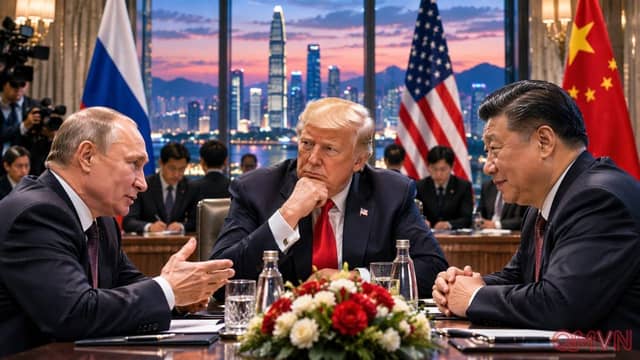
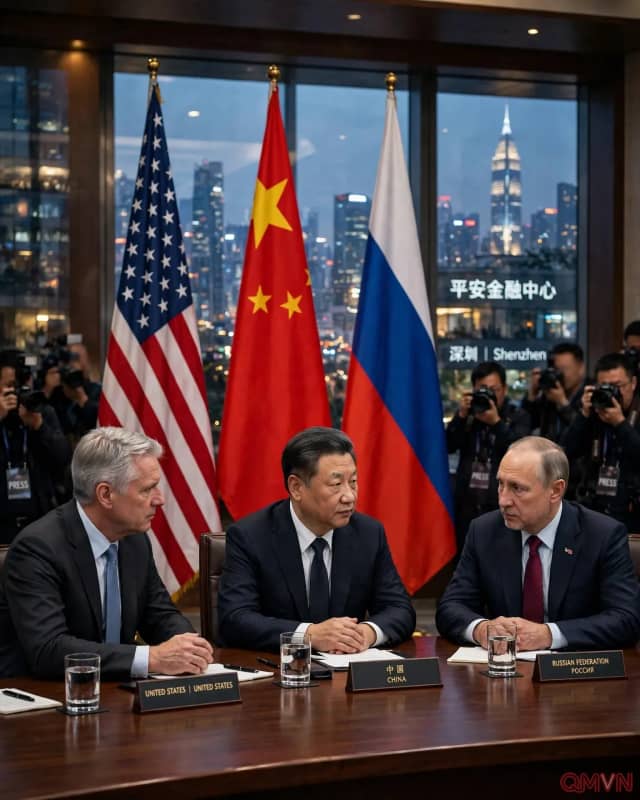
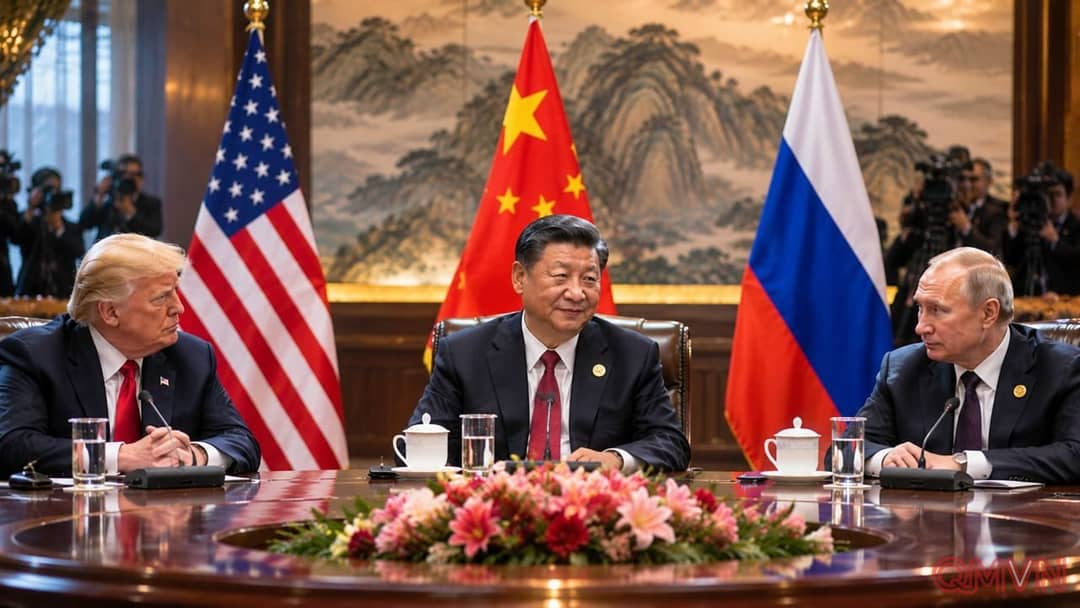
On November 20, Chinese outlets devoted prominent coverage to the Shenzhen encounter. The Global Times described it as unprecedented and historic, emphasizing China’s role in making the gathering possible. People’s Daily highlighted small details: Trump and Putin appearing almost simultaneously to greet Xi, the three leaders proceeding together to photographs, and warm exchanges as they departed. In this narrative, protocol became more than background. It was presented as proof of the host’s international standing.
The image of Xi seated at the center of the table carried particular weight. For domestic audiences, it suggested a China confident enough to convene Washington and Moscow. A seating plan, however, is not a measure of influence over policy. Broadcasters can select the most persuasive moments from a meeting; diplomacy must ultimately be judged by what happens after the delegations leave.
A peace declaration with significant omissions
International reporting confirms that the November 19 talks at Kylin Villa produced a declaration affirming that nuclear war cannot be won and must never be fought. The three governments agreed to pursue dialogue on reducing nuclear risks and preventing proliferation, while calling for a more effective United Nations. Such principles matter at a time of growing strategic distrust.