A system still heavily reliant on private money
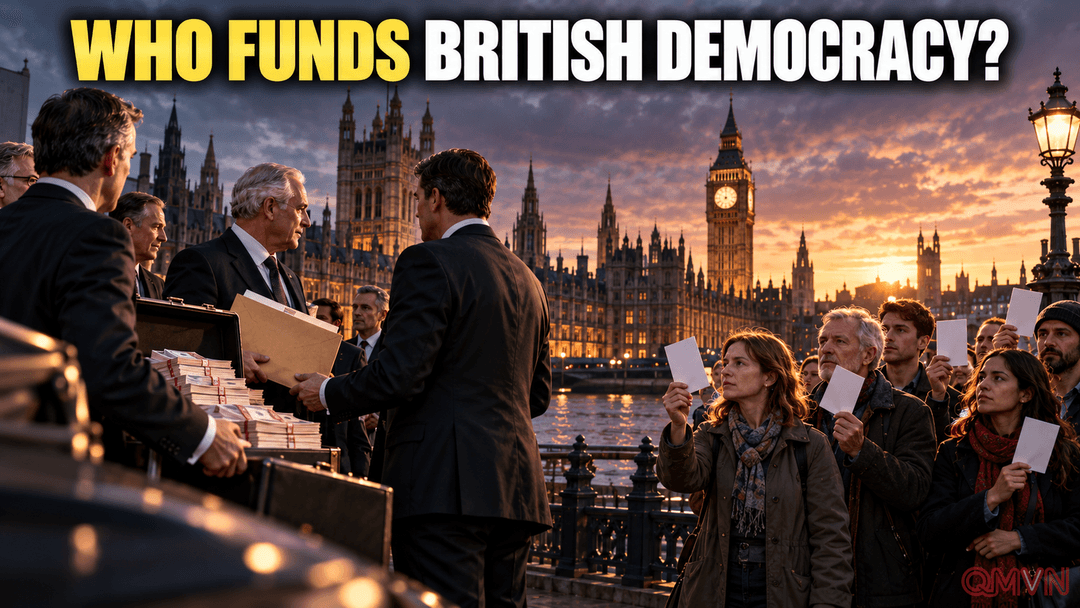
Political parties in the UK are financed mainly through donations, loans and membership fees, alongside limited forms of state support. The Electoral Commission says there is currently no general cap on the value of a permissible donation to a political party, provided the donor is legally eligible and the contribution is reported when it crosses disclosure thresholds. Registered parties accepted almost £65 million in donations and public funds during 2025.
Supporters of the present model argue that voluntary giving is a form of political participation and protects parties from excessive dependence on government. Critics counter that when a small number of wealthy individuals or companies can provide a very large share of a party’s resources, it creates both the risk and the perception of disproportionate influence.
Autonomy proposes two alternatives
The report “Politics is no longer for sale,” backed by Vince, sets out two possible models. The first, a “democratic multiplier,” would pay parties with at least one House of Commons seat £50 a year for each paid-up member, with a £3 million minimum designed to prevent smaller parties from being squeezed out.