MAIN CONTENT
Two approaches emerge at the same time in Washington
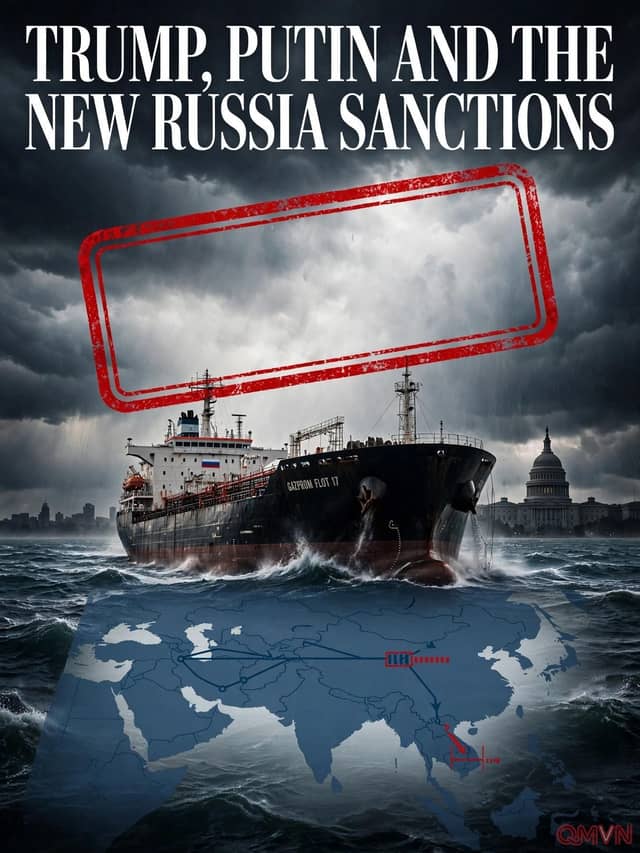
The House passed the bill by 262 votes to 159 after the Senate approved it 86 to 11. It authorizes tariffs of up to 100 percent on major buyers of Russian oil or gas and targets officials, businesspeople, financial institutions and networks that preserve energy revenue. Supporters argue that higher economic costs may force Moscow to consider a negotiated settlement more seriously.
The White House, however, is not relying on sanctions alone. According to people familiar with the talks cited by The New York Times, the Trump administration is considering business agreements with Russia before a ceasefire. That would mark a notable change from Trump’s earlier position that business should resume only after the war ends. A two-level strategy is taking shape: Congress prepares coercive authority while presidential envoys search for incentives capable of changing Moscow’s calculation.
Business opportunities could become incentives for peace
Russia has repeatedly presented possible cooperation with the United States involving rare earths, aluminum, Arctic ventures and American participation in energy projects. After Vladimir Putin met Steve Witkoff and Jared Kushner, Kremlin adviser Yuri Ushakov said economic questions and large projects of potential mutual benefit had been discussed in detail. The content, conditions and timing of any agreement nevertheless remain uncertain.