Strategic Duality of Sticks and Carrots Between Washington and Moscow
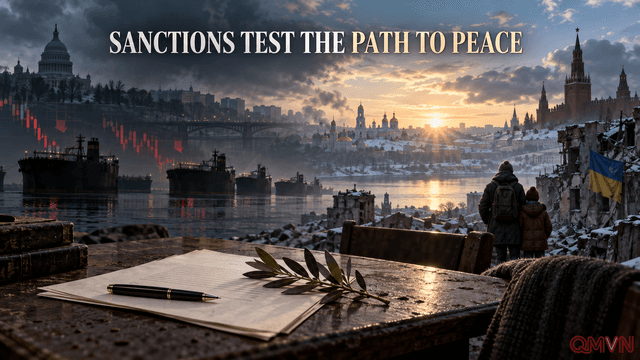
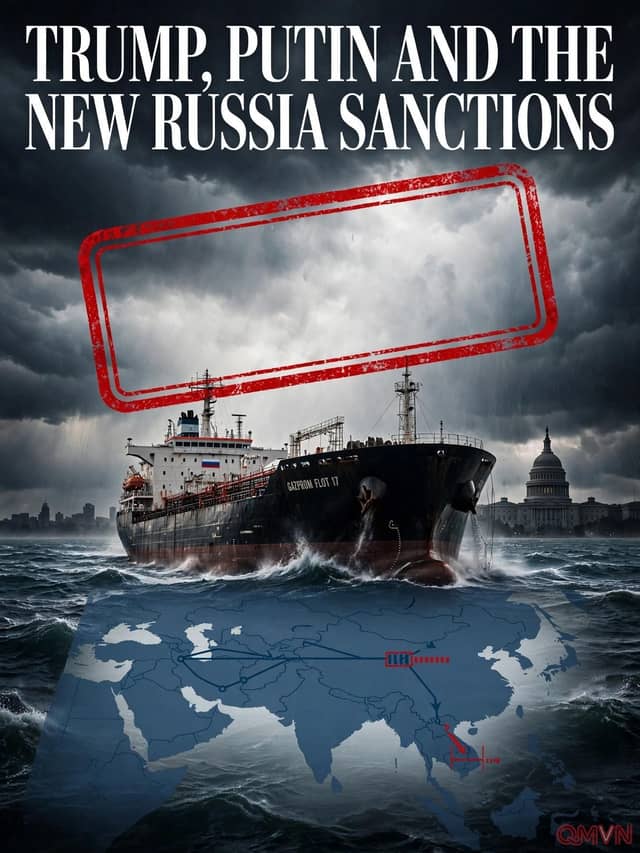
In Washington, the United States House of Representatives approved sweeping sanctions legislation by a vote of 262 to 159, granting the executive branch authority to levy tariffs of up to 100 percent against nations purchasing Russian crude oil and natural gas. This legislative measure seeks to dismantle the revenue streams underpinning Moscow's war effort. Although President Donald Trump indicated his readiness to sign the legislation, the White House has actively pursued a pragmatic counterweight: extending economic overtures to convince President Vladimir Putin to consider de-escalation and ceasefire terms.
Earlier this month, presidential special envoys Steve Witkoff and Jared Kushner traveled to the Kremlin for direct discussions with Vladimir Putin. During the meeting, the Russian leader expressed confidence that Russian forces would fully secure the Donbas region within months while preparing widespread strikes against the Ukrainian power grid ahead of winter. Confronting Moscow's uncompromising posture, Jared Kushner challenged the presumption of indefinite conflict, questioning whether another year of attrition would yield tangible progress rather than perpetual stalemate.
"This bill will cripple Russia's war machine and ultimately force Putin to the negotiating table." Representative Michael McCaul