Diplomacy between pressure and inducement
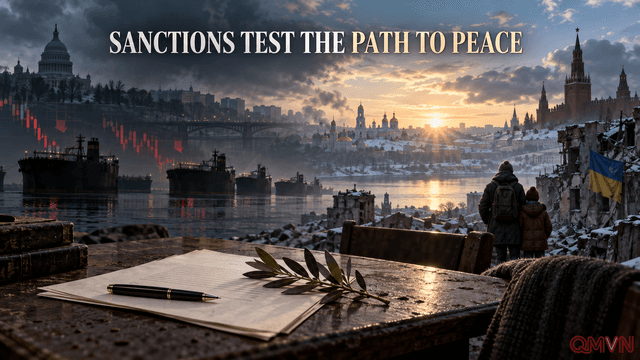
When Jared Kushner and Steve Witkoff met President Vladimir Putin at the Kremlin in early September, the exchange illustrated the gap between diplomatic expectations and battlefield realities. According to the New York Times account provided, Russia expressed confidence about taking all of Donbas and warned of attacks on Ukraine’s power grid before winter. Kushner’s response posed the central question: can the sides avoid another year of unchanged aims and additional loss?
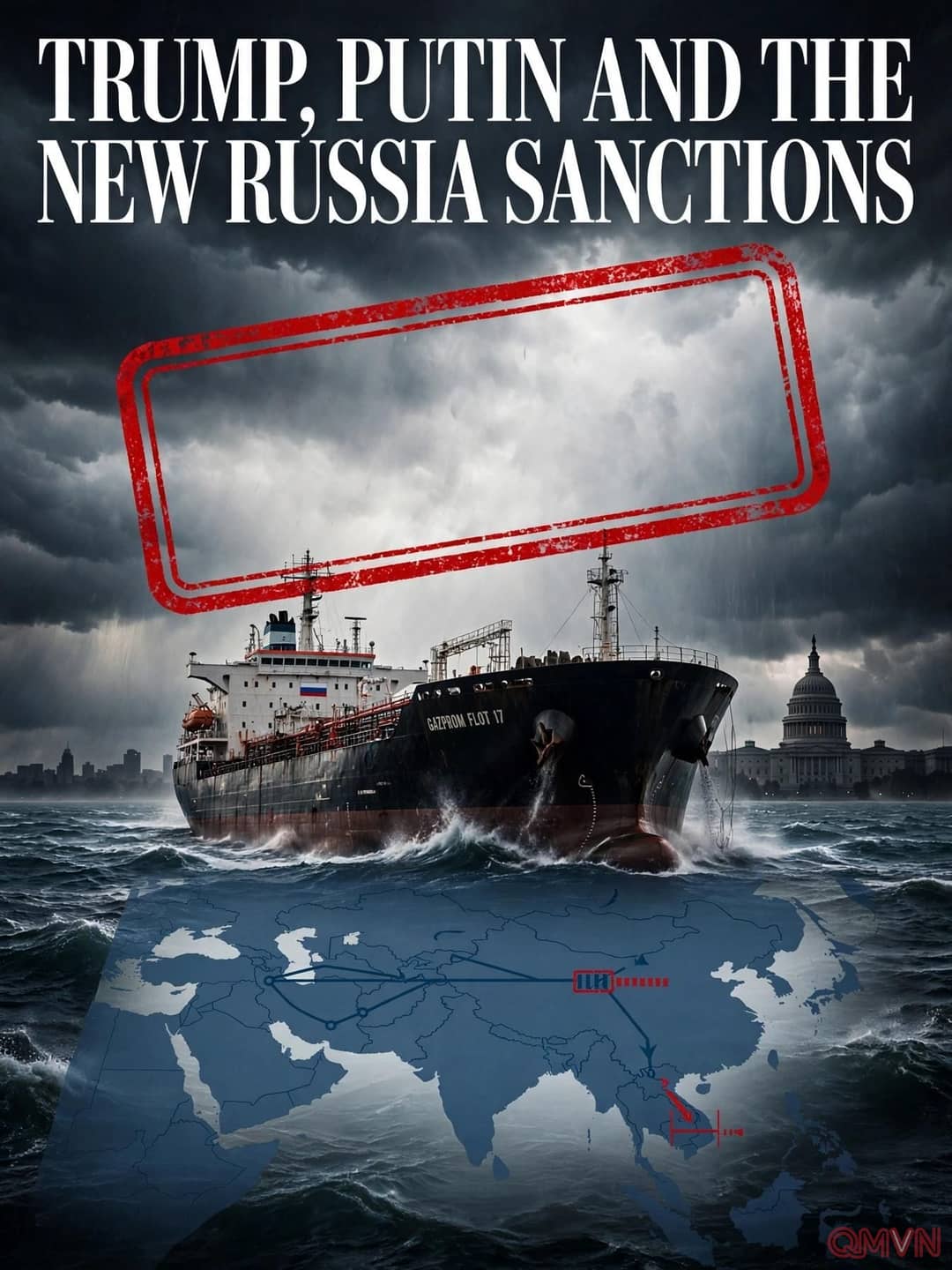
At the same time, the U.S. Congress passed a sanctions and tariff bill by 262 votes to 159 to increase economic pressure on Russia. Reuters reported that it targets the energy and defense sectors and the oil-transport network known as the shadow fleet, while opening the way to high tariffs on countries heavily dependent on Russian oil and gas. Washington therefore retains substantial tools of deterrence.
Yet effective diplomacy is not only about raising the cost for an adversary. It must also show a credible exit. The administration’s consideration of sanctions alongside incentives signals an effort to move beyond pure confrontation toward a conditional framework: any reduction in violence should bring verifiable benefits, not vague promises.
Business agreements: opportunity or risk
The reference article says the White House is considering whether to pursue some business agreements with Russia even before the war ends. Areas Moscow has previously raised include rare earths, aluminum, Arctic projects and natural-gas activity.