MAIN CONTENT
A reopened sky, but a broken timetable
The FAA's decision to lift its national departure stop allowed aircraft to begin moving again, not to return instantly to their original schedules. Airlines depend on tightly coordinated rotations: a plane arriving in one city becomes the next departure elsewhere, while crews must meet duty-time rules and airports need space at their gates. A disruption lasting hours can therefore create cancellations across multiple days even after the original system fault has been addressed.
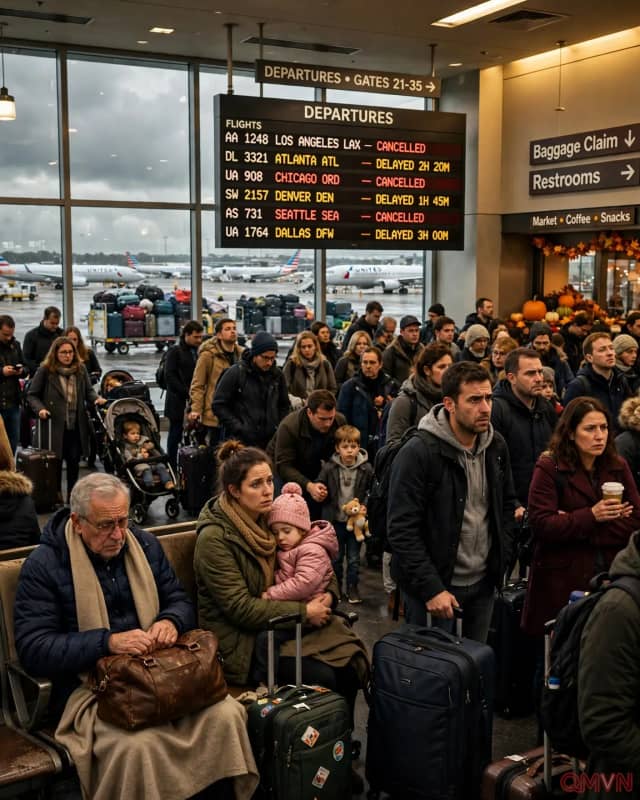
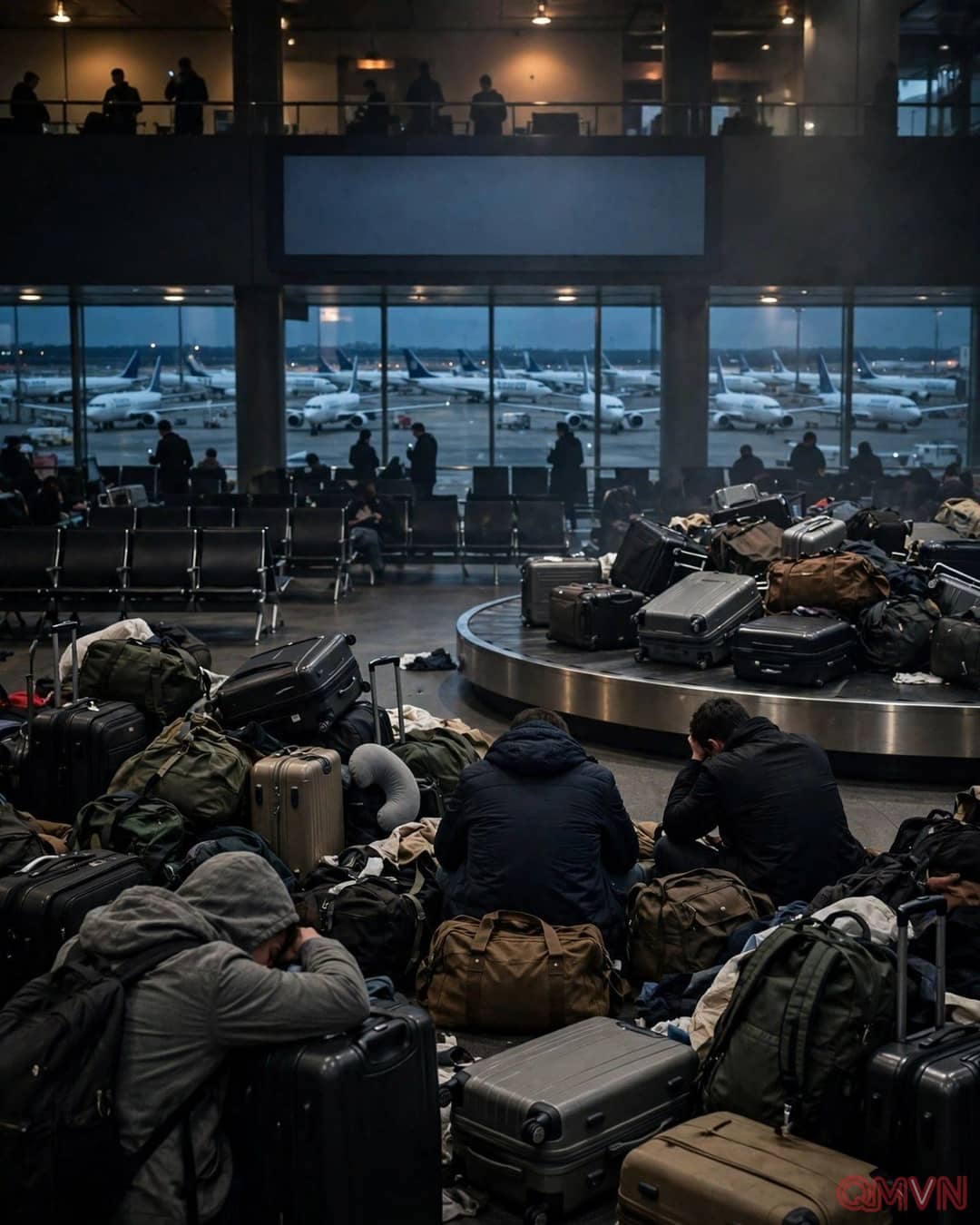
By Saturday morning, the scale was stark. The Wall Street Journal cited more than 9,000 flights canceled on Friday and more than 3,500 on Saturday, alongside thousands of delays. Other monitoring services reported different interim totals because their reporting periods and methods vary. These figures should be read as snapshots rather than final accounting. Airports from New York and Washington to Los Angeles saw passengers searching for luggage, new itineraries and places to sleep.
What failed inside the aviation network
According to the US Department of Transportation, instability affecting radar and communications systems began at about 3:36 p.m. Friday. Duffy said overloaded switches and routers began producing inconsistent data.