MAIN CONTENT
Alaska: a legal retreat after the voters speak
The U.S. Justice Department moved on November 19 to have an appeal declared moot after Mary Peltola won Alaska’s Senate contest. Its earlier suit had sought to impede certification on the ground that a second candidate, Daniel J. Sullivan Jr., shared a name with Republican incumbent Dan Sullivan. The Alaska Supreme Court had allowed the second Sullivan onto the ballot. State attorneys criticized the federal challenge, while the administration sought to erase an adverse lower-court ruling even as it asked for the matter to be dismissed.
Peltola said that the election had delivered a clear message and that she wanted to work for Alaskans. The dispute also highlights the tension between pursuing election-related allegations and respecting established legal procedures. The presence of similar names can raise questions about voter understanding, but the court’s decision on ballot eligibility and the election result are separate matters from unproven claims about intent. Dismissing an appeal is not the same as establishing that all related controversies have been resolved.
Sextortion: coercion crosses borders in seconds
In an investigation published this week, AP and FRONTLINE described how a Canadian teenager believed he was exchanging intimate messages with a young woman, only to be threatened with exposure unless he paid money. Reporters identified the person behind the account in Nigeria.
The case illustrates a particular vulnerability of digital communication: a relationship that appears private and personal can be manufactured at scale and turned into an instrument of intimidation.
The National Center for Missing & Exploited Children had received more than 40,000 reports of financial sextortion involving minors by August 2026, compared with about 50,000 in all of 2025, according to the investigation. Reports are not the same as confirmed individual cases, but the totals underscore the urgency. Prevention requires age-appropriate platform safeguards, prompt reporting mechanisms, cooperation across jurisdictions and adults who respond without shaming young victims. Those targeted should preserve evidence, stop engaging with the blackmailer and seek trusted help rather than face the threat alone.
Kabul: small acts of resistance carry large risks
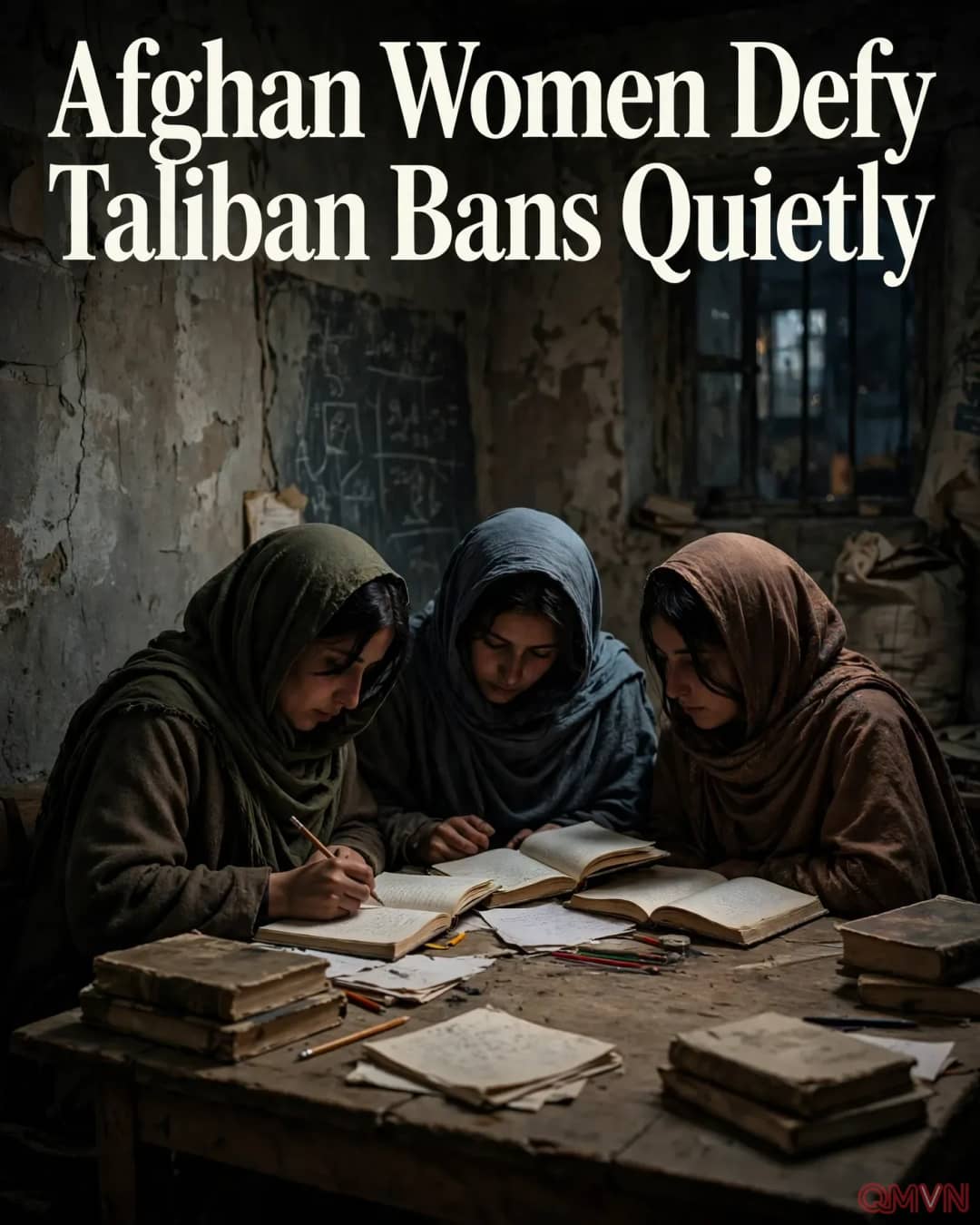
In Afghanistan, the consequences of state restrictions take a different form. Since the Taliban returned to power in August 2021, girls’ education beyond primary grades and many opportunities for women’s employment, recreation and public participation have been curtailed. AP documented a hidden classroom where girls continue studying, a woman who reopened a beauty business after an official raid, and a former soccer player who keeps her passion alive while teaching children.
Their work is not a simple story of triumph. Classes and businesses operate under the fear of discovery; income, study and personal freedom remain insecure. A Taliban ministry spokesperson told AP that women’s rights are protected within the authorities’ understanding of Islamic Sharia law, a position sharply at odds with the restrictions described by the women. To protect them, the reporting withheld their identities. Their persistence shows both human resourcefulness and the steep personal cost of rights that can no longer be exercised openly.
The question connecting three different crises
These episodes should not be treated as equivalent. An election challenge concerns democratic procedure; financial sextortion is a crime against vulnerable people; restrictions on Afghan women are sustained state policies. Yet each exposes a gap between power and accountability. A legal claim requires evidence and a fair forum. A digital platform needs more than a statement of concern. A promise of protection is incomplete when everyday opportunities are inaccessible.
The practical response must therefore be specific. Courts must be able to conclude election disputes independently. Technology firms and law enforcement must coordinate against cross-border extortion while ensuring that children can seek help safely. The world must continue to listen to Afghan women themselves, rather than reduce their lives to an abstract geopolitical argument. The measure of any institution is not simply what it promises, but whether a person facing it can obtain a remedy.