MAIN ARTICLE
A binding judgment meets a political barrier
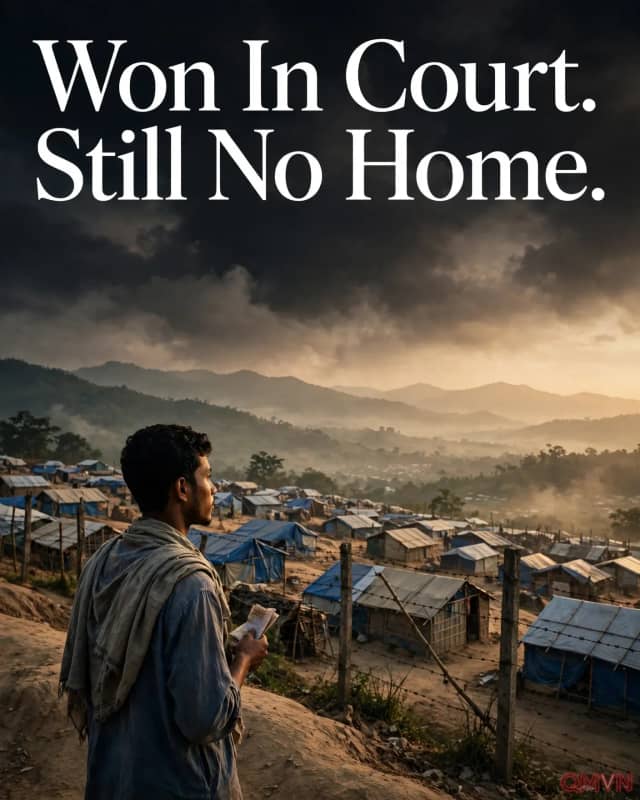
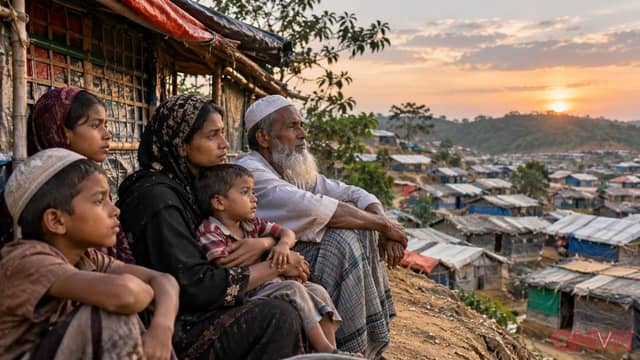
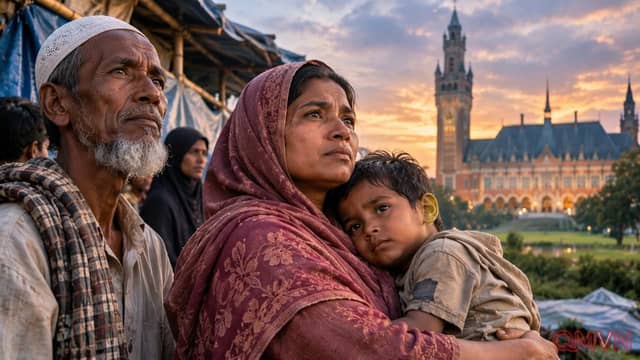
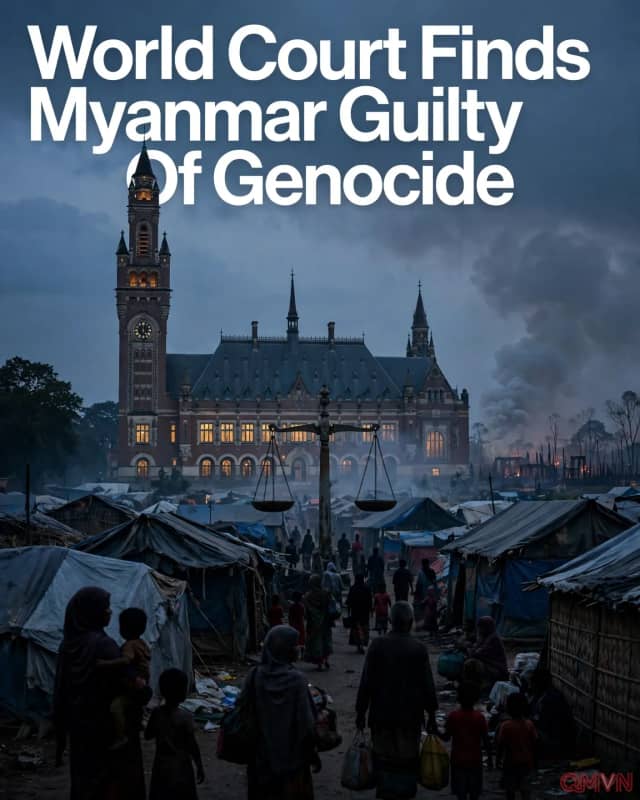
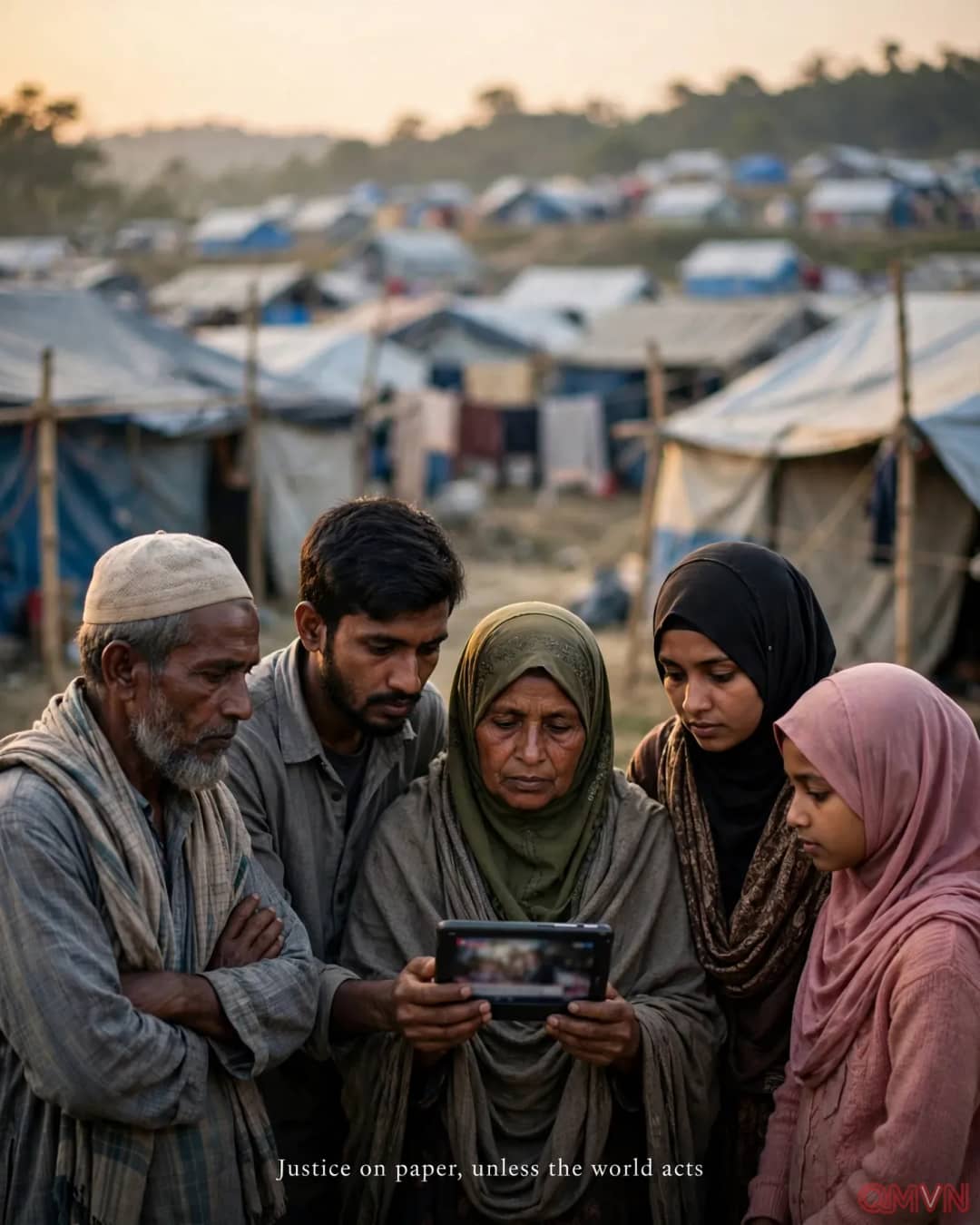
The ruling has significance beyond Myanmar: it establishes state responsibility under the Genocide Convention in a case arising from the military’s 2017 operations in Rakhine state. The court called for accountability, compensation and conditions allowing the Rohingya to return home safely and with dignity. Those obligations should not be confused with a finding that individual defendants have been convicted in a criminal trial.
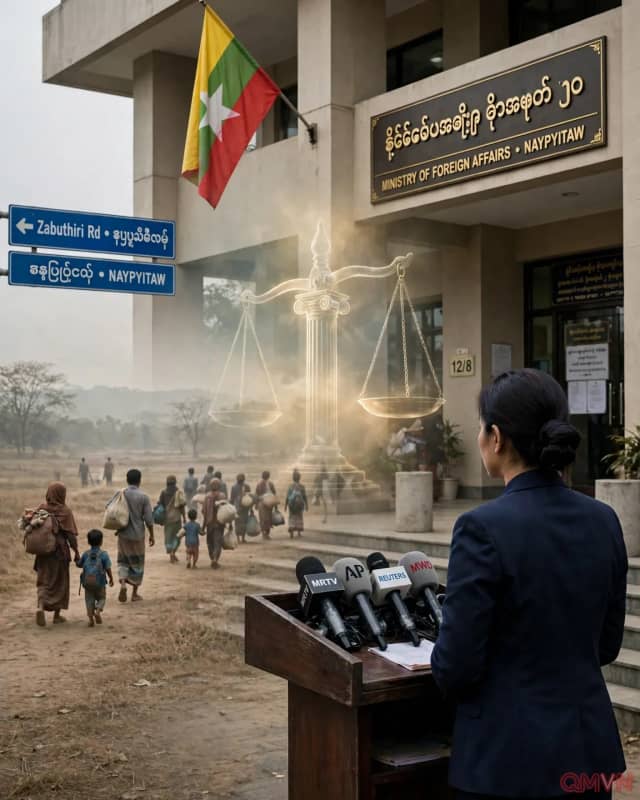
Enforcement remains the weakness in the international system. The ICJ can establish legal obligations, but cannot dispatch investigators, secure a village or seize assets itself. Noncompliance may be raised at the UN Security Council, where decisions on coercive measures depend on diplomacy and the positions of permanent members. A definitive judgment therefore marks a legal threshold, not the completion of justice.
Calls to interrupt money and weapons
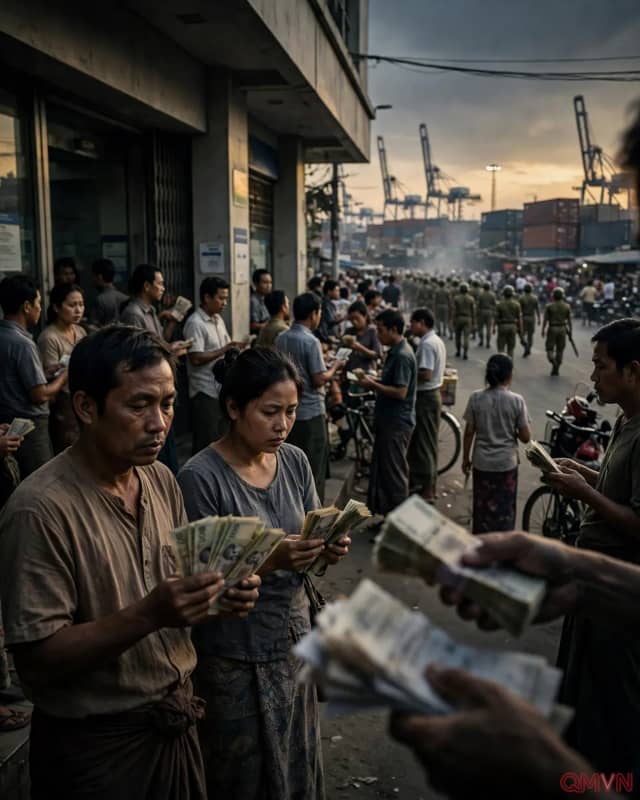
Amnesty International called for a comprehensive weapons embargo and an end to transfers of military, security and surveillance equipment. Justice for All advocated sanctions focused on revenue-generating sectors and networks that supply the armed forces. Human Rights Watch urged governments to pressure Myanmar’s authorities to implement the judgment and enable voluntary refugee return. These are proposals from advocacy organizations, not sanctions automatically triggered by the court.