A message to the Fed
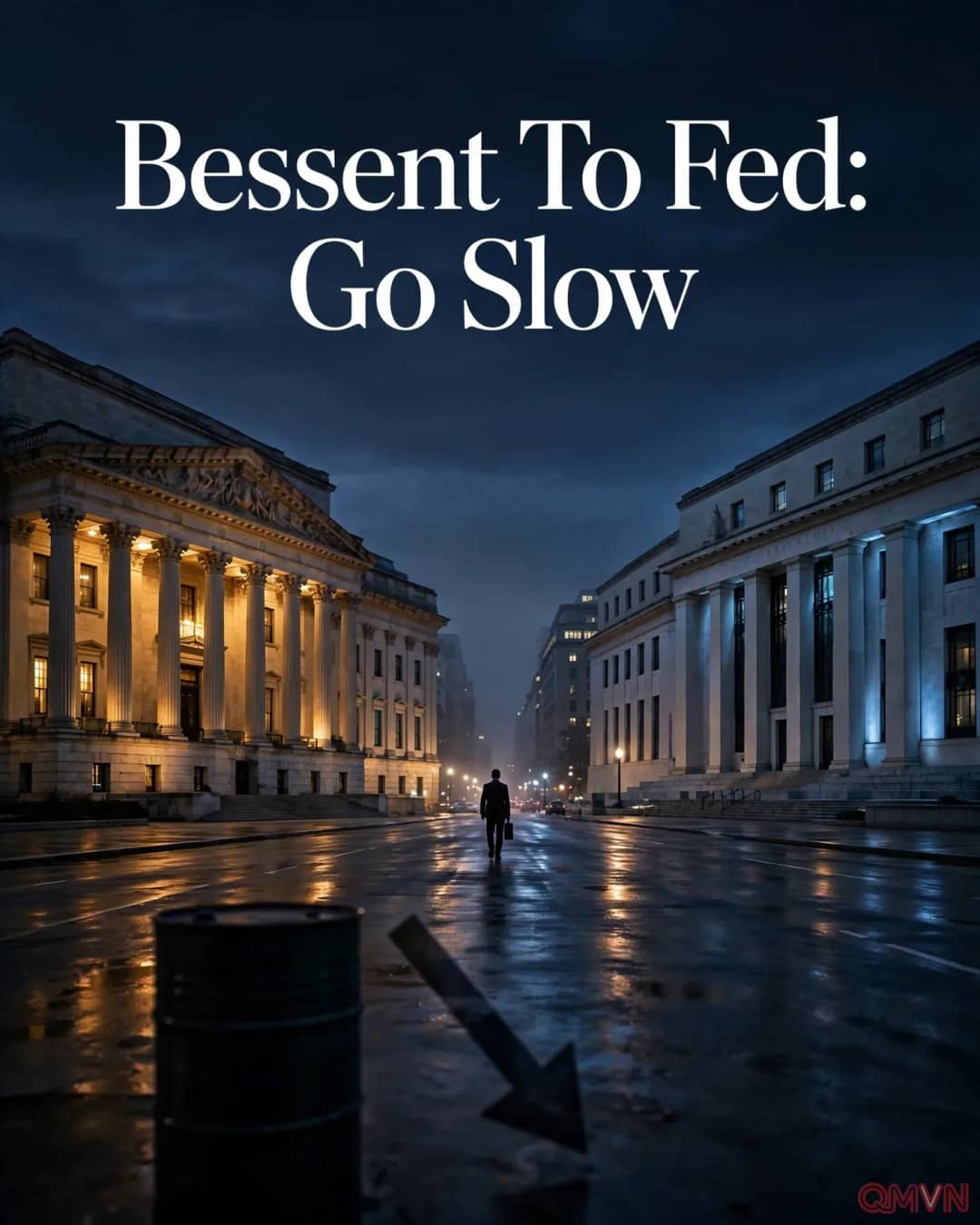
According to Reuters, Bessent said the Fed should not follow the push for a large rate hike that some governors are pursuing. His main argument is that current inflation stems from an energy supply shock, which monetary policy can hardly address directly, and that crude delivery prices have started to fall.
Bessent did not name the governor he criticised, but said that person had wanted a 50 basis point rate cut within the past year.
So it seems somewhat peripatetic to now want the bigger hike just 12 months or 11 months later. I would encourage the Fed to look forward, not backwards.
The energy shock and the inflation puzzle
Sharp rises in fuel prices this year, linked to the conflict involving Iran and attacks on tankers in the Middle East, have pushed up transport costs and prices across many sectors of the US economy. October import prices rose more than expected, reinforcing expectations that the Fed will keep tightening.
However, those who share Bessent's view argue that aggressive rate hikes in response to a supply shock could harm growth and jobs without addressing the root of the problem, especially as oil prices show signs of easing.
Two schools of thought
On the other side, governors backing a big hike worry that inflation could spread and become embedded in public expectations if the Fed acts too slowly. Some financial institutions, such as Société Générale, expect the Fed to raise rates twice more by a quarter point each before stopping in March 2027.
This is not the first time Bessent has spoken out on rate policy. Earlier this month, he advised the Fed not to raise rates. Critics say such public remarks from the Treasury could pressure the central bank's independence, while supporters see them as legitimate policy views.