MAIN ARTICLE
Fourteen aircraft and a much larger delivery pipeline
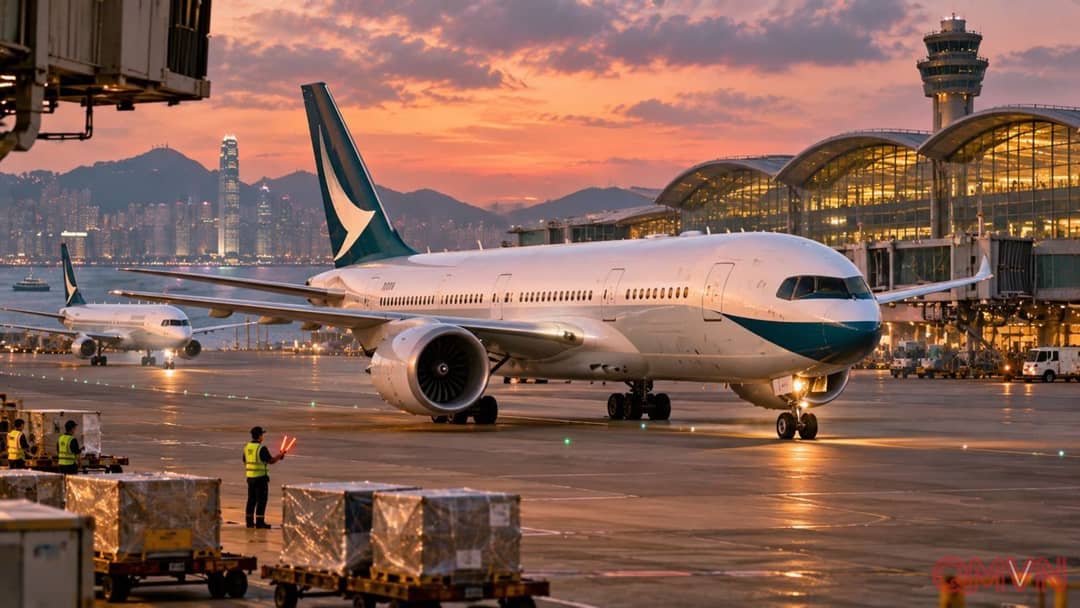
Cathay said on November 11 that it had exercised purchase rights for 14 additional Airbus aircraft. Reuters described the order as part of a renewal and expansion effort focused on regional flying. The initial public reporting did not specify all the individual aircraft models, their transaction price or the delivery timetable for this particular group. It would therefore be misleading to present the 14 jets as one confirmed model or assume that all will enter service simultaneously.
The planned delivery of 120 aircraft from 2026 signals the scale of the pipeline, not an instant increase of 120 operational jets. The airline must account for retirements, pilot training, engineering capacity, maintenance slots, traffic rights and airport scheduling. New aircraft can either expand frequencies or replace less-efficient older jets, with different implications for capacity and cost. The eventual benefits will depend on how Cathay allocates aircraft across its two passenger brands.
Ronald Lam’s ambition of 150 new deliveries and a network spanning 150 destinations over ten years is explicitly conditional on favorable markets. That qualification matters: an aviation investment plan does not guarantee passenger demand or completion on a fixed timetable. Aircraft are capital-intensive assets, generally paid for and deployed across many economic cycles, so management has to preserve the option to adapt as conditions change.