MAIN REPORT
From classroom grievances to a nationwide movement
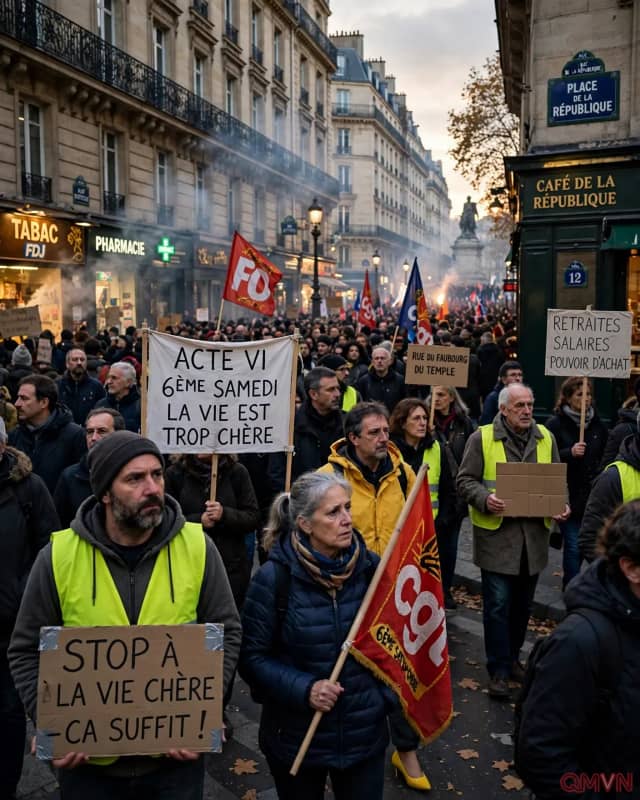
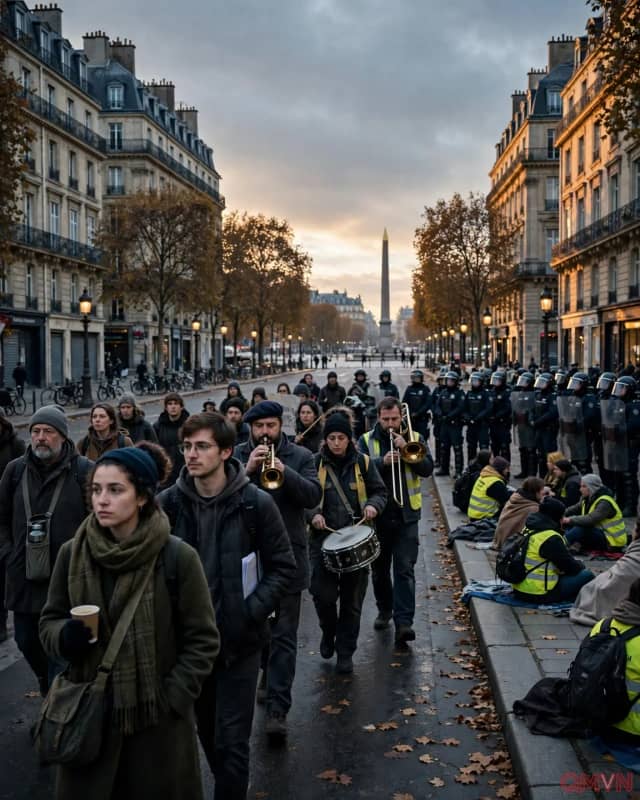
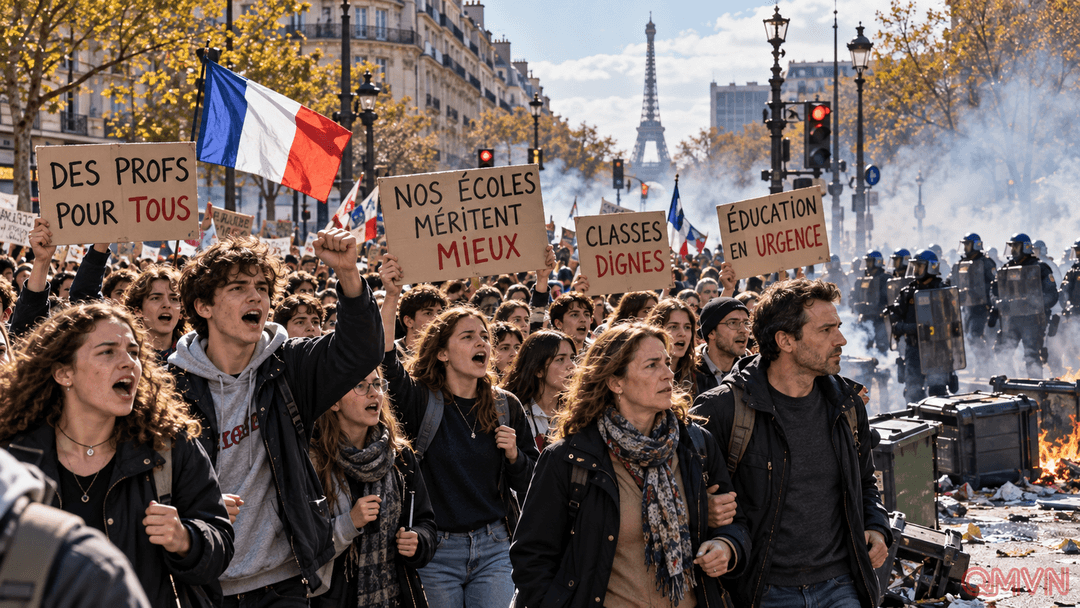
The movement began in disadvantaged suburbs around Paris, where pupils had been describing concrete failures for months: absent teachers who were not replaced, crowded rooms, leaking buildings, pest problems and inadequate equipment. Once those stories spread online and won support from student unions, teachers and parent groups, the frustration quickly moved beyond individual schools. On October 6, marches and blockades were reported in cities including Paris, Strasbourg, Rennes, Toulouse, Lyon, Marseille and Nantes.
Most of the demands are rooted in the everyday quality of a public service rather than in abstract ideology. Protesters want enough teachers, safe facilities and a more humane timetable. That practical focus helps explain why many parents have joined the movement: they can see the conditions their children face and compare them with France’s long-standing promise that a strong public school system should be a pillar of equal citizenship.
The movement also exposes a sharper social divide. In places such as Seine-Saint-Denis, school quality is inseparable from wider questions of income, opportunity and access to public services. When students say they have sat important examinations after months without a subject teacher, the dispute stops being a narrow argument about maintenance budgets. It becomes a test of whether the republican promise of equal opportunity still feels credible to young people.