MAIN STORY
Watching both sea and sky
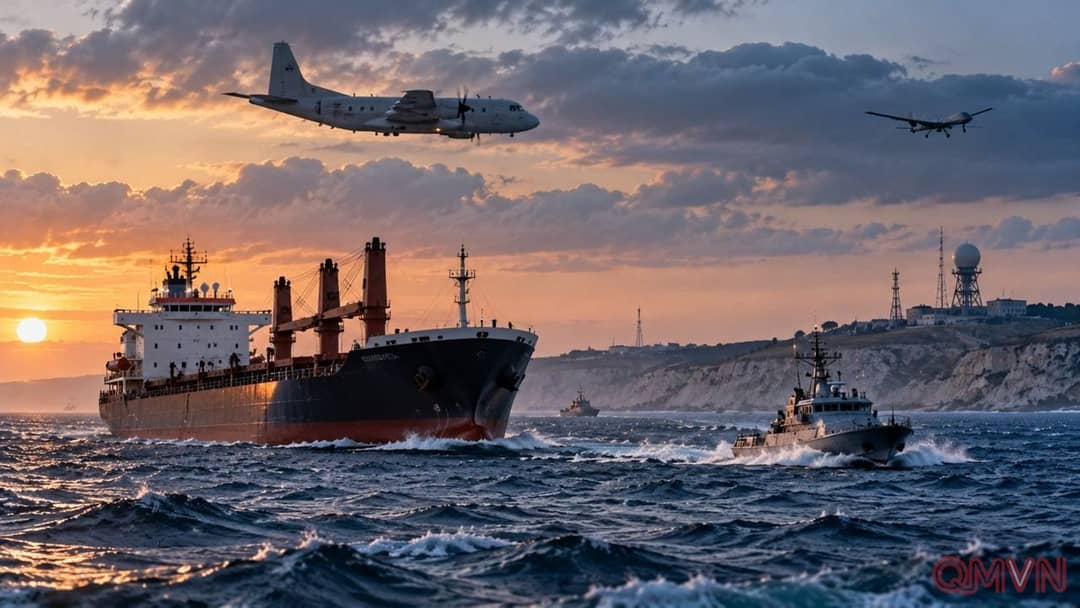
The North Atlantic Council’s decision reflects how the threat environment has changed. Commercial shipping is now vulnerable not only to conventional naval weapons but also to unmanned systems that may approach from several directions. In statements reported by Reuters and other news organizations, the alliance said members have sent or will send patrol aircraft, radars, drones, explosive-exploitation teams and intelligence specialists. Together, these assets are intended to improve the shared picture of activities above and across the water.
Colonel Martin O’Donnell, a NATO military spokesman, identified improved awareness through sensors and data sharing as the central near-term task. A timely warning could help captains avoid danger, emergency crews respond sooner and allies distinguish an isolated incident from a wider pattern. NATO has not released a detailed timetable or inventory of the reinforcements. Their eventual effect therefore cannot yet be measured by an announced number of planes or flights.
Civilian crews in the line of fire
On October 13, the Ukrainian-owned, Maltese-flagged Chelsea 3 was reportedly hit by three drones off Bulgaria. Its 15 crew members were rescued.