MAIN CONTENT
Energy inflation has surged, but broader transmission remains limited
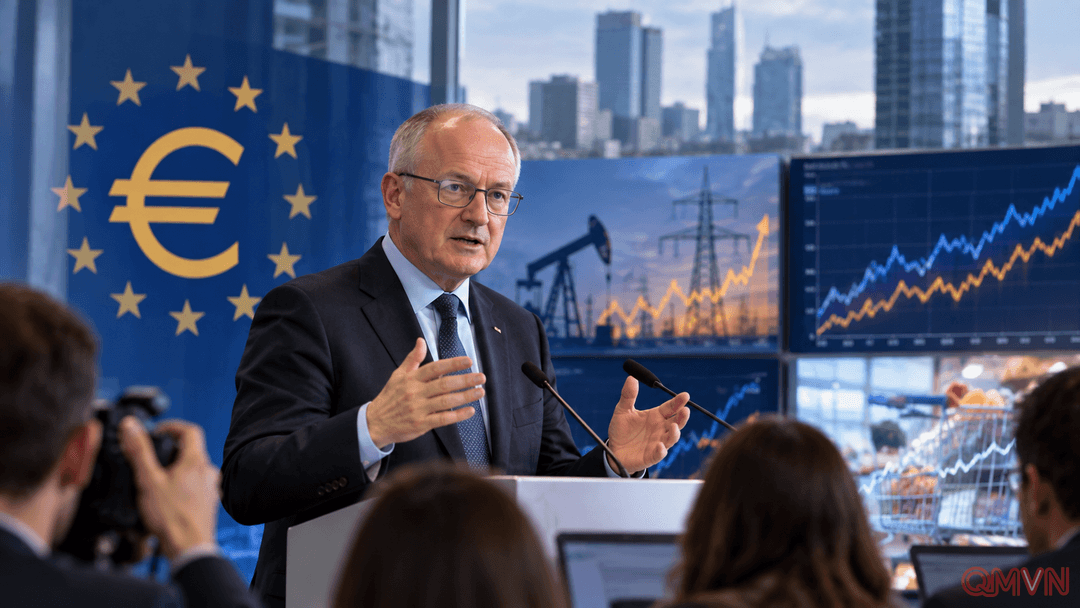
Philip R. Lane’s central message is that the ECB has not yet seen convincing evidence of an energy shock becoming a self-reinforcing price-wage cycle. He said the ECB’s scenarios differ not only in their assumptions for oil and gas prices, but also in how quickly energy costs feed into wider inflation and economic activity. Energy prices above the baseline therefore do not, by themselves, place the euro area neatly inside an adverse scenario.
Recent data still show significant pressure. Reuters reported euro-area inflation rising to roughly 3.8% in September, while core inflation held near 2.4%. That gap suggests much of the latest acceleration is coming from energy. If wages, services prices and inflation expectations remain more contained, the shock may prove less persistent than an inflation cycle driven by broad domestic pricing pressure.
High bond yields are becoming a tightening force of their own
Another part of the ECB debate is that financial conditions have already tightened substantially even before policymakers decide on another rate increase. Long-term bond yields across Europe have climbed to levels not seen in more than a decade, pushed by higher US yields, debt-sustainability concerns and political uncertainty in some member states.