MAIN CONTENT
One message, thousands of interrupted school days
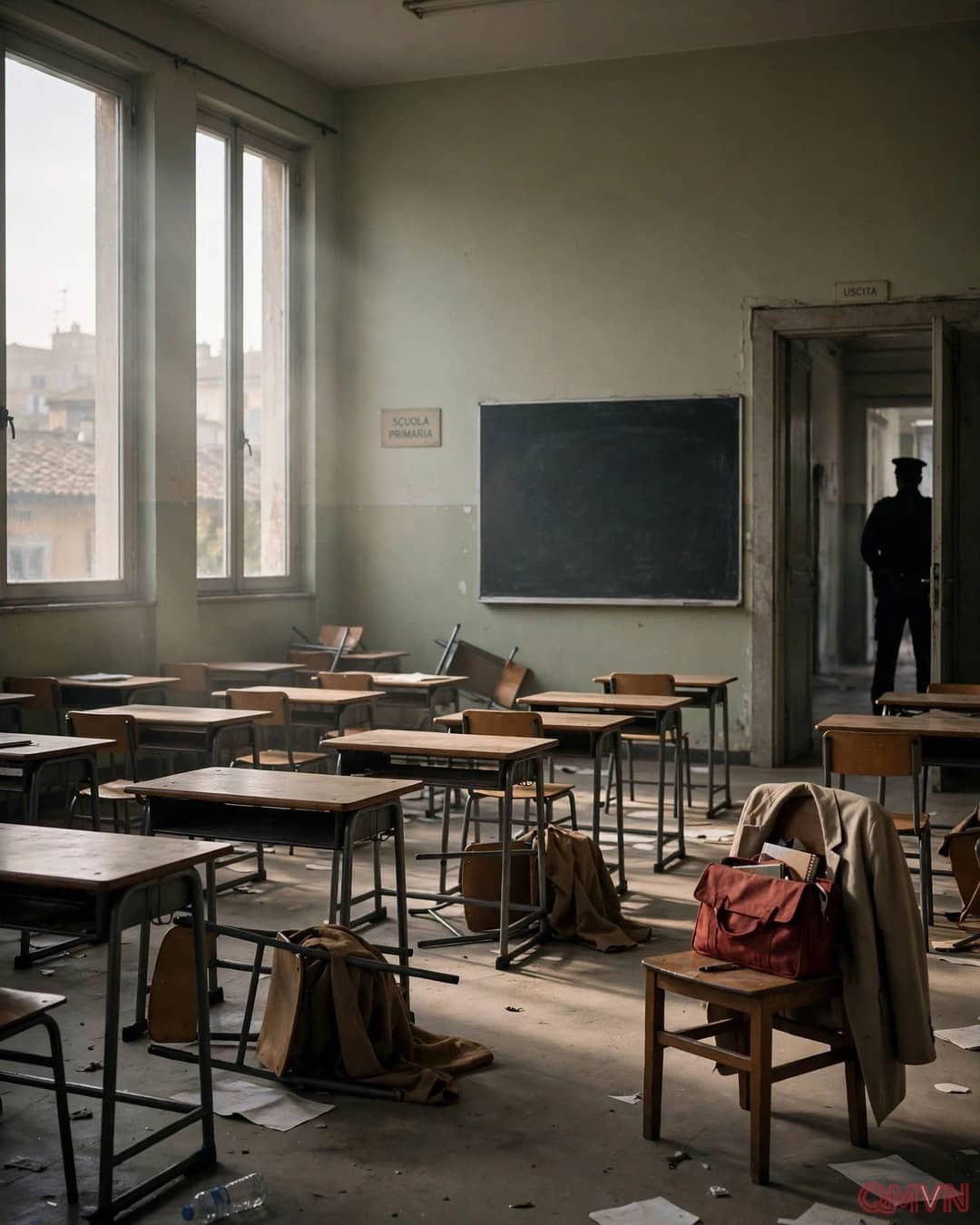
The same school day unfolded very differently across Europe. In Italy, warnings reached approximately 6,300 schools and triggered evacuations at hundreds of sites. Principals faced immediate choices with limited information: keep children indoors, move them to assembly areas or suspend lessons altogether. Police searched premises while parents rushed from work to collect their children. The figure of 6,300 refers to schools receiving messages, not to schools where an explosive device was discovered or even where an evacuation occurred.
At Rome's Mazzini middle school, parent Nensi Bego described how her daughter Dafne cried during the alarm and remained shaken afterwards, according to Reuters. The incident illustrated a cost easily hidden by a security label such as “hoax.” For students, a false alarm can still feel like a real danger; for families, it can mean lost wages, transport problems and an abrupt breakdown of familiar routines.
Different national responses to the same uncertainty
Authorities in Northern Ireland said more than 300 schools had received threatening emails originating outside the United Kingdom. In Scotland, reports indicated hundreds of schools had also been contacted. Police in Scotland, Northern Ireland and the Republic of Ireland concluded the messages did not constitute credible threats, and schools were generally advised against evacuating. The contrasting experiences raised a practical question: what evidence should trigger the most disruptive protective measure?