MAIN ARTICLE
An economic forum with global weight
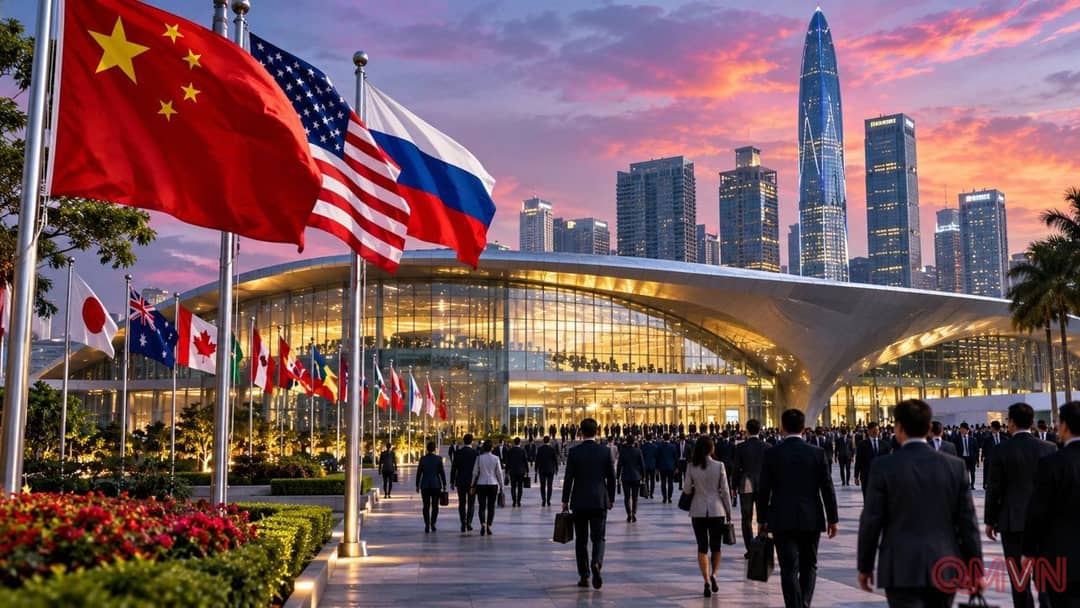
Launched in Canberra in 1989 as a dialogue among 12 participants, Asia-Pacific Economic Cooperation (APEC) now brings together 21 member economies. That terminology matters. It allows Hong Kong and Taiwan to participate in economic discussions alongside other members despite unresolved and politically sensitive questions of status. India, despite its enormous population and economic significance, is not a member.
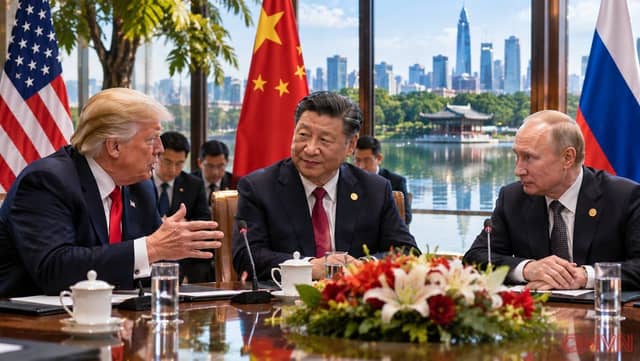
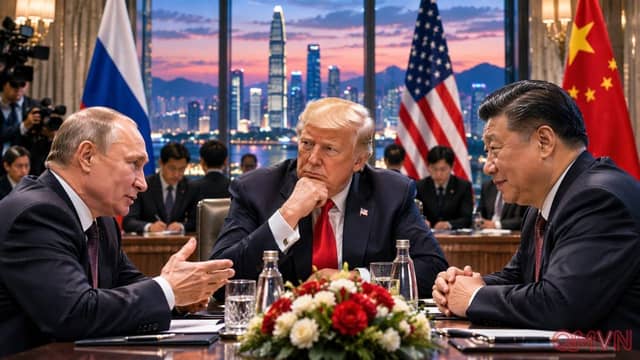
Unlike institutions whose agreements create treaty obligations, APEC relies on consensus and voluntary, non-binding commitments. Its flexibility rarely produces a dramatic legal breakthrough in a single summit, but it allows very different economies to keep talking even when diplomatic relations deteriorate. This is a practical virtue, not a guarantee that disagreement will vanish.
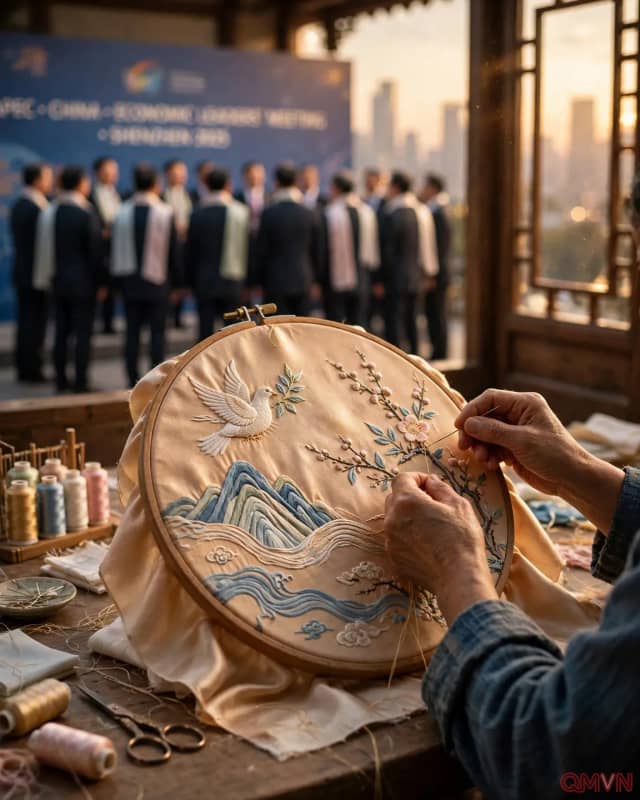
The CEO summit is scheduled for November 17–18, followed by the economic leaders’ meeting on November 18–19. Bringing business perspectives and policy discussions close together highlights APEC’s core ambition: making investment, supply chains and cross-border trading conditions more predictable.
Why Shenzhen sends a message
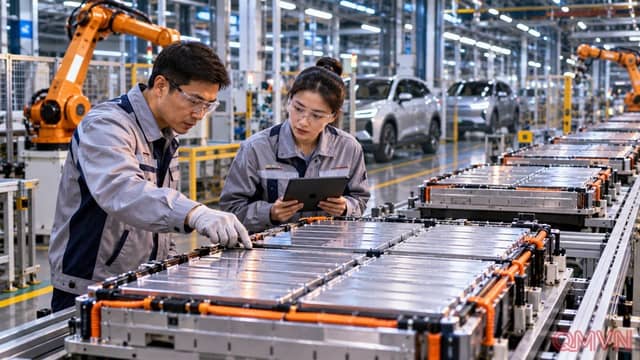
China previously hosted APEC in Shanghai in 2001 and Beijing in 2014. Its third turn moves attention to Shenzhen, a former special economic zone transformed into a technology and manufacturing center associated with BYD, Huawei and Tencent.