MAIN CONTENT
Three conversations, three sets of interests
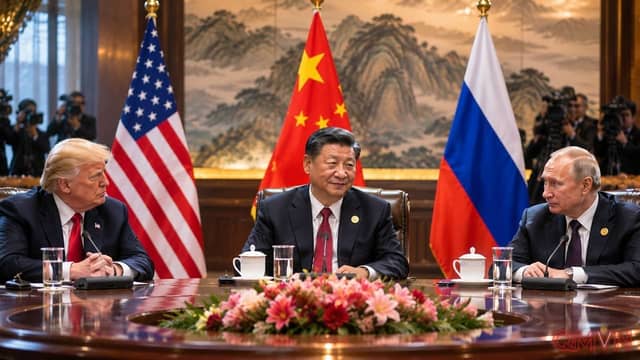
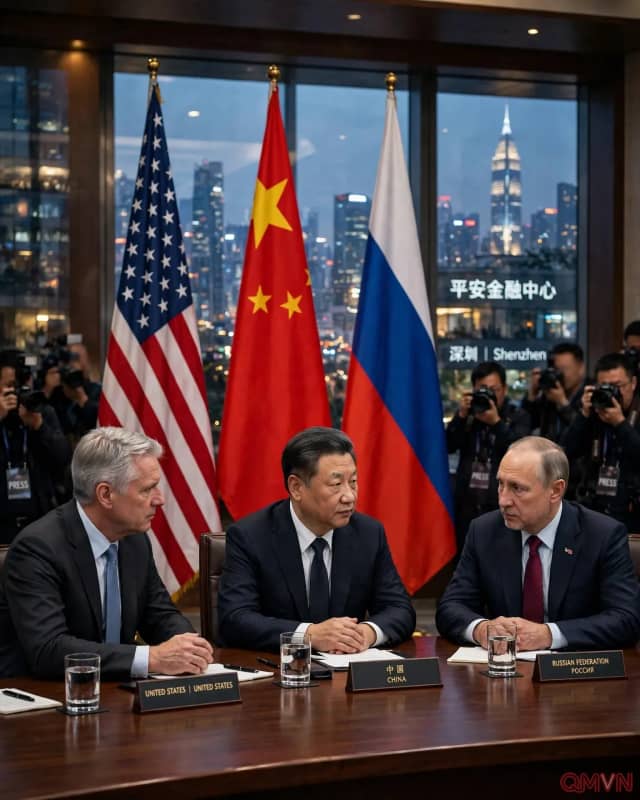
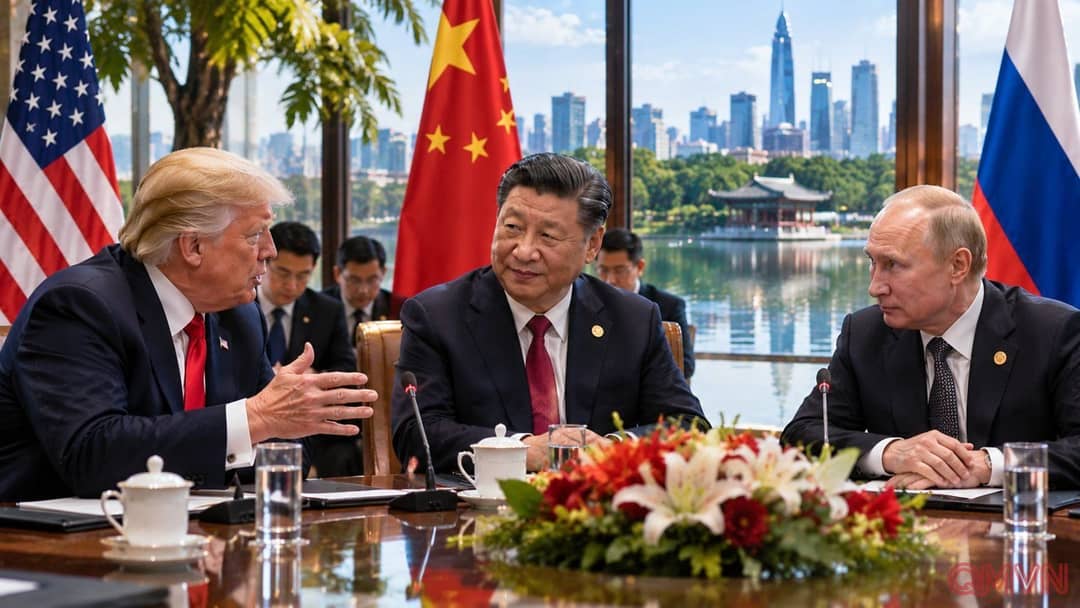
The Shenzhen schedule places Trump at the center of a layered diplomatic exercise. Live reports describe individual meetings with Xi and Putin before the three leaders convene at a lakeside venue. Holding bilateral discussions first gives each side room to test proposals that may be easier to address in pairs before taking them to a more complicated three-way format. It also offers a way to reduce misunderstandings when national priorities are far apart.
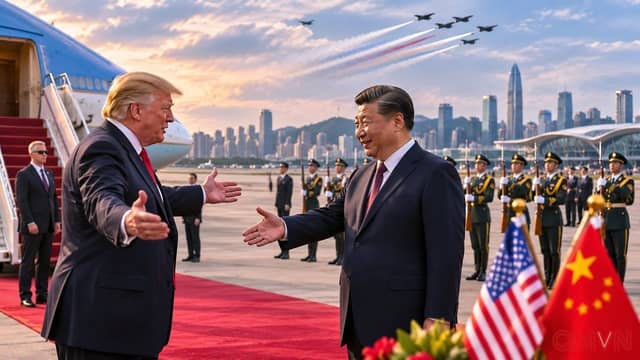
For the United States and China, the agenda extends well beyond military security. Tariffs, access to advanced technology and restrictions on semiconductor exports continue to shape their economic relationship. A conversation with Xi provides an opportunity to assess the durability of a recent trade truce and to clarify what both governments might be prepared to negotiate. But hospitality, even at the highest level, should not be mistaken for a fresh concession.
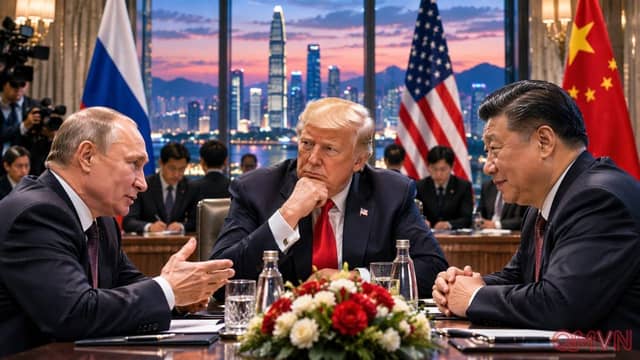
The Trump–Putin meeting serves a different purpose. Russia’s war in Ukraine has stretched beyond four years, and Moscow seeks recognition as an indispensable participant in international security decisions. US and Russian officials have discussed a one-on-one encounter, although the Kremlin has indicated that comprehensive negotiations are not planned. Direct contact matters, but by itself it says little about the prospects for ending the fighting.