MAIN ARTICLE
A business summit becomes a diplomatic stage
Addressing APEC business leaders on November 18, Putin described an international environment marked by economic fragmentation and military-political danger. He presented engagement, rather than isolation, as a way to manage competing interests. Reuters reported his expectation of major potential gains from meeting Trump and Xi on the summit sidelines. That was a statement of Moscow's aspirations, not evidence that an agreement had already been reached.
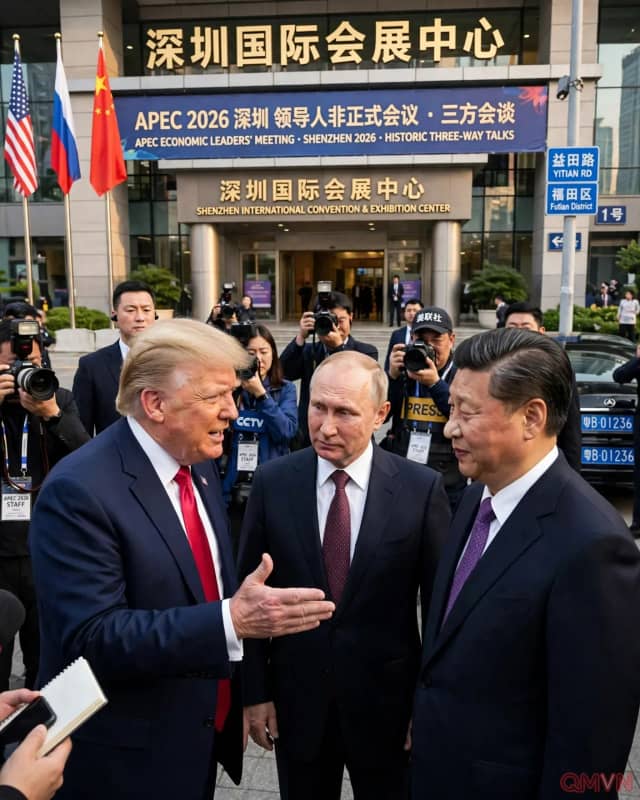
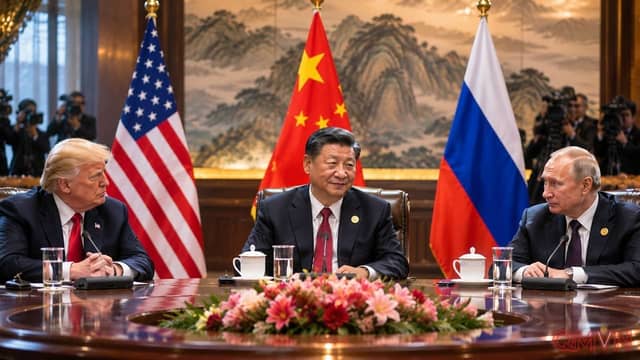
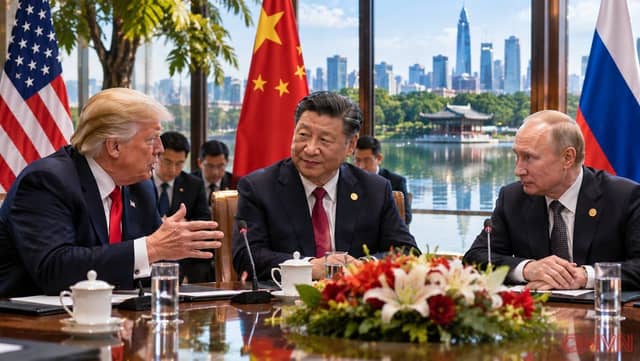
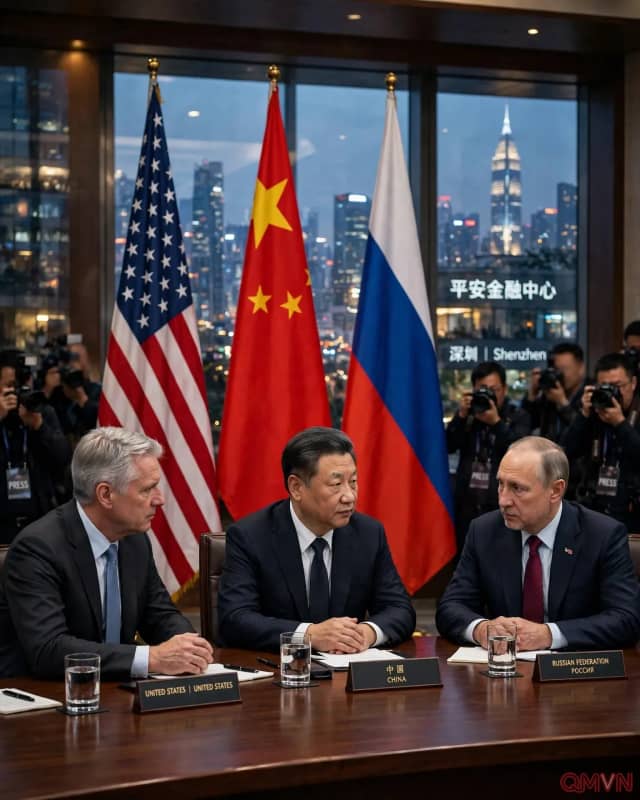
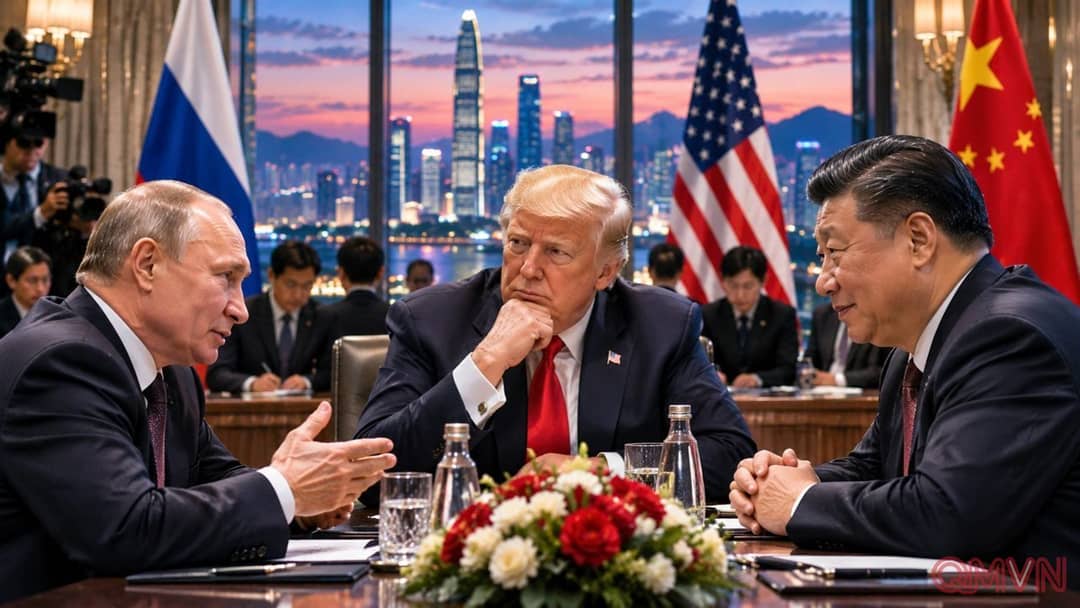
The three leaders were scheduled to meet in Shenzhen on Thursday, November 19. Bringing together the presidents of the United States, Russia and China would create a rare diplomatic image: three militarily formidable nuclear powers with enormous economic influence but sharply divergent interests. The symbolism may itself matter by reopening channels of communication. Still, analysts must distinguish an unusually high-profile encounter from a breakthrough in actual policy.
APEC's 21 member economies use the forum to promote trade, investment and regional cooperation. It is neither a security alliance nor a negotiating body empowered to end wars. That a discussion among major powers is being arranged around an economic gathering illustrates how strategic rivalry now shapes supply chains, corporate investment decisions and business confidence.