MAIN CONTENT
A new source of income for regional factories
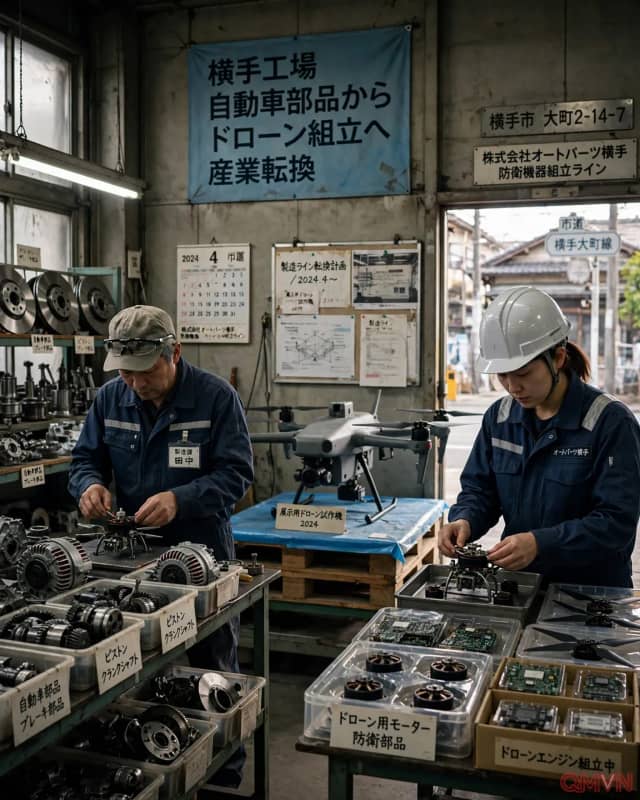
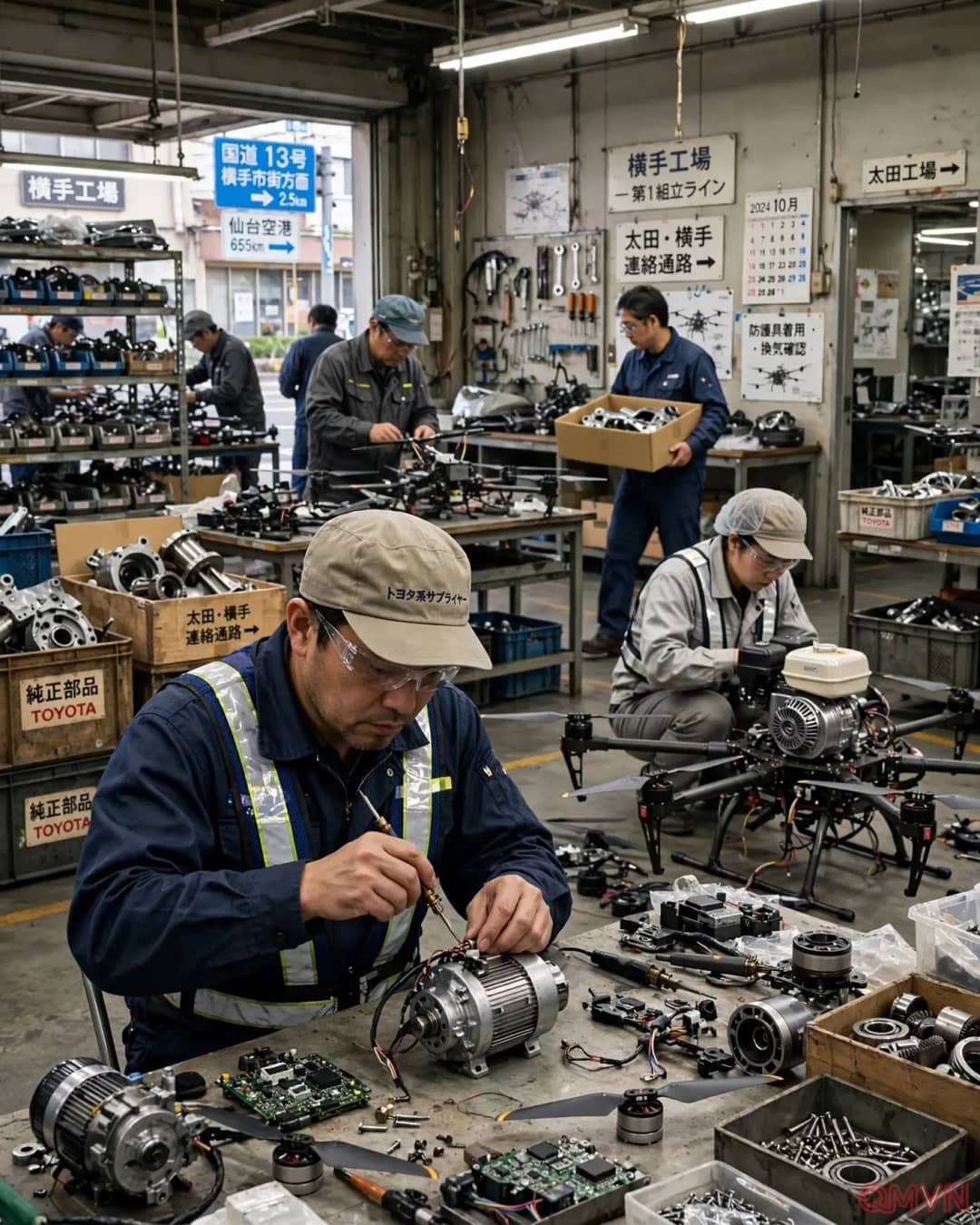
The economic significance of diversification is particularly clear outside Japan’s major metropolitan areas. In towns where manufacturing supports a network of local businesses, a reduction in automotive orders can affect employment, training and the survival of specialist suppliers. New customers may help preserve industrial knowledge accumulated over generations, even when traditional markets become less profitable.
According to the November 24 Reuters report, Aster has derived about one tenth of its revenue from defense work since entering the sector in 2025. Kyowa Industrial has also seen its defense-related share rise to around 10 percent of annual sales. These examples indicate an emerging commercial option rather than a wholesale transformation of the automotive economy. The distinction matters: a new revenue stream is not necessarily a reliable substitute for the large volumes associated with civilian vehicle production.
Public spending and the limits of industrial optimism
The Ministry of Defense’s strategic documents, approved in December 2022, established a framework for strengthening national defense. The government’s existing five-year program envisages approximately 43 trillion yen in expenditure between fiscal 2023 and 2027.