MAIN CONTENT
Rapid Boots on the Ground Across Burning Paddy Fields
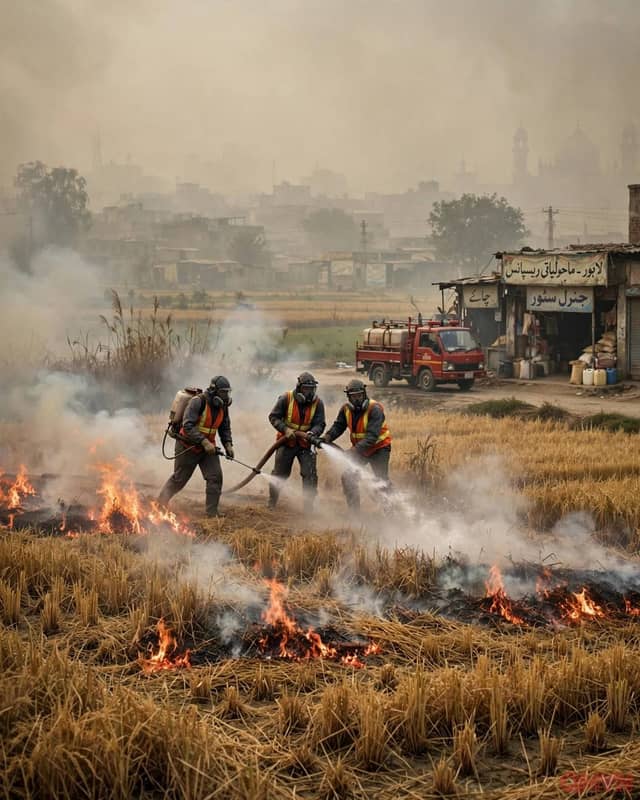
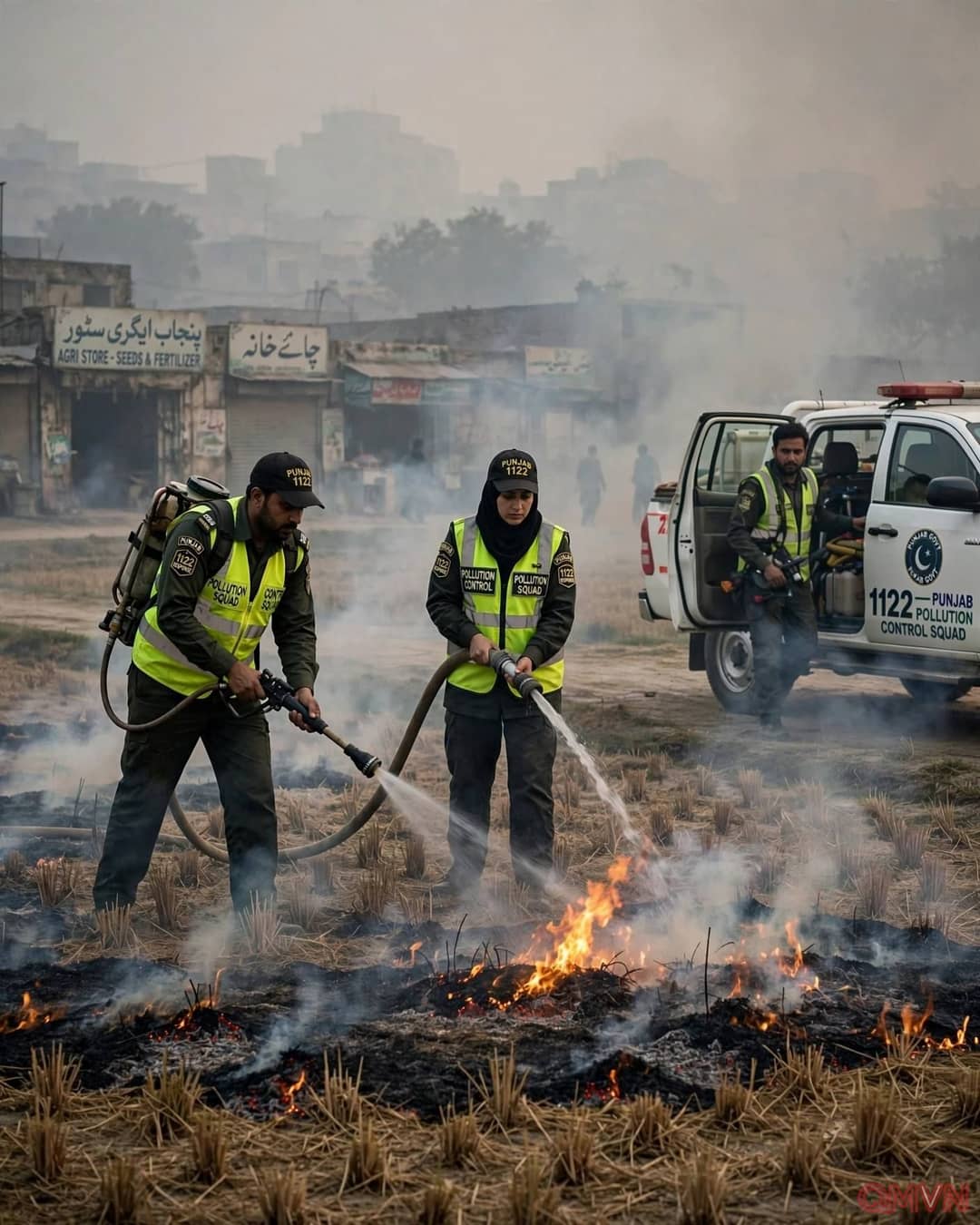
As dusk settles over the outskirts of Lahore, tendrils of grey smoke begin rising from freshly harvested October rice paddies. Within moments, patrol vehicles from a newly minted quick-response squad skid to a halt, with environmental officers leaping out to smother the flames in minutes. This frontline unit represents Punjab’s latest defense against agricultural residue fires mingling with industrial emissions, vehicle exhaust, and construction dust—a toxic cocktail that recently pushed the city’s air quality into the "very unhealthy" tier tracked by Swiss monitoring group IQAir.
According to Silwat Saeed, head of Punjab’s Environment Protection and Climate Change Department, the provincial government mobilized 750 personnel into 67 rapid-response teams stationed across major rice-producing districts. Units are tasked with reaching reported fires within 10 to 15 minutes of receiving local alerts or spotting smoke during patrols. In a single 24-hour window in mid-November 2026, the department logged 679 field fire reports across Punjab and successfully extinguished 650 blazes before the smoke could drift into densely populated urban neighborhoods.
"We receive complaints through multiple channels and respond to them in the shortest possible time." Ashfaq Hussain