MAIN ARTICLE
What witnesses described in Abu Falah
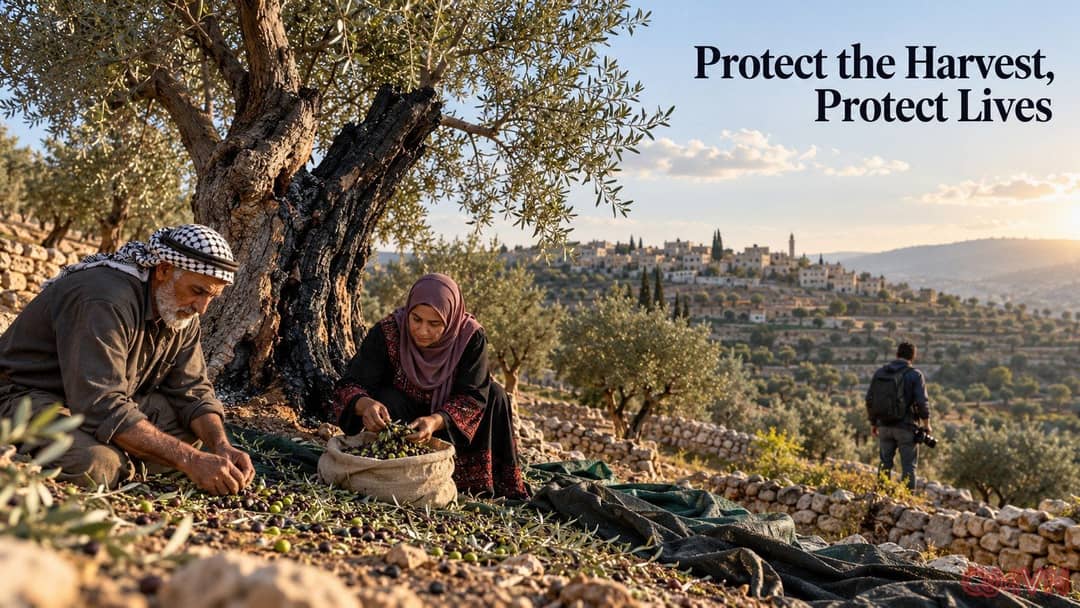
Reuters said around 80 settlers descended from a hill above terraced olive groves where villagers were picking fruit. Some carried gas canisters, and some used slings to throw stones. The agency described Palestinians retreating downhill before picking up stones and throwing them back in defence.
At least two Israeli military jeeps subsequently passed through the area, Reuters reported. The attack continued after their arrival, and soldiers fired tear gas towards Palestinians. Gunfire could be heard, and a Reuters photographer saw at least one armed settler fire a weapon. The report did not establish that person’s identity.
Those observations should remain tied to their source. The absence of an immediate military response does not provide an explanation for the soldiers’ actions or resolve questions about intervention. It marks a gap in the available account, alongside witness evidence that warrants investigation rather than being treated as a completed legal finding.
Injury reports require careful boundaries
Palestinian medics told Reuters that two people were taken to hospitals around Ramallah, including Levine. The report did not provide a detailed medical assessment or establish the exact mechanism of each injury. Her employer had not immediately responded, so additional conclusions about her condition would go beyond that account.
AP separately reported six injuries across two Abu Falah attacks, citing the Palestinian Red Crescent Society. The figures should not simply be added together. Reports can cover different incidents or moments, and overlapping accounts need reconciliation before a consolidated total is presented.
A journalist’s injury also affects the public’s ability to see what happens. Photographs and eyewitness reporting can preserve details that would otherwise remain contested or unseen. Concern for the press belongs alongside concern for the villagers: both require safety, and neither group’s suffering should be used to diminish the other’s.
The harvest is a livelihood and a family practice
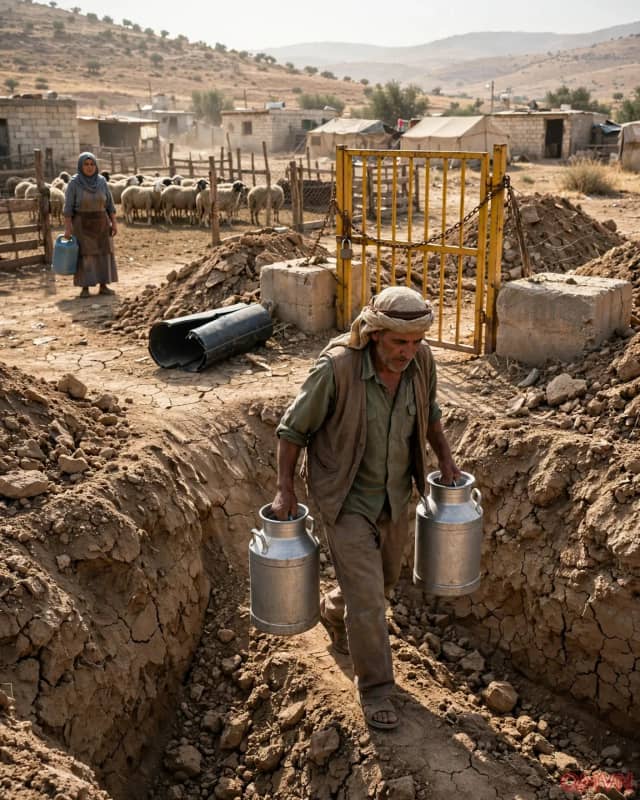
The Reuters account describes olive picking as a cherished annual tradition in Palestinian life. Its significance is practical as well as emotional.
A harvest brings work, produce and household plans together; violence in the grove interrupts an activity that families had gathered to carry out.
An injured person needs care immediately, while damage to productive trees can create a longer problem. The article does not quantify losses in Abu Falah, and the number of burned trees was not established in the supplied report. It would therefore be premature to assign a monetary value to the damage.
OCHA had already warned before this incident that restricted land access, settler attacks and damage to agricultural assets were undermining farming livelihoods. That wider context helps explain why safety is not separate from economic survival. Being able to reach land and remain there long enough to harvest is part of making that land useful.
Protection and accountability need concrete answers
Farmer Moutaz Abdelhadi, 42, told Reuters he believed the attackers wanted to force residents from their homes. His words convey a witness’s fear and interpretation. They should not be expanded into an independently established finding about every attacker’s intentions or a claim about all Israelis.
The questions for an investigation include who set the trees alight, who used weapons, what protection was provided and how injured people received care. Establishing individual actions matters. An account of violence should neither blur the sequence into an unexplained clash nor assign responsibility to people solely because of their nationality.
A return to the groves would be meaningful only if people could do so safely. Immediate care, preservation of evidence and credible follow-up would address different parts of the harm. Counting an incident is important, but it is not equivalent to preventing another one or restoring confidence among those affected.
Earlier attacks place the harvest in context
Reuters cited Israeli monitoring group Yesh Din as recording at least 170 settler attacks since September 27, around the harvest’s start. It also reported an earlier attack near Turmus Ayya that day in which three cars were burned. These are separate observations, not additions to the Abu Falah injury count. The West Bank’s settlement context matters too: UN bodies and most countries consider the settlements illegal under international law, while Israel disputes that position and describes the territory as disputed. This background helps readers understand the continuing conflict over land without obscuring the specific events under investigation.