MAIN ARTICLE
The faces that memory preserves
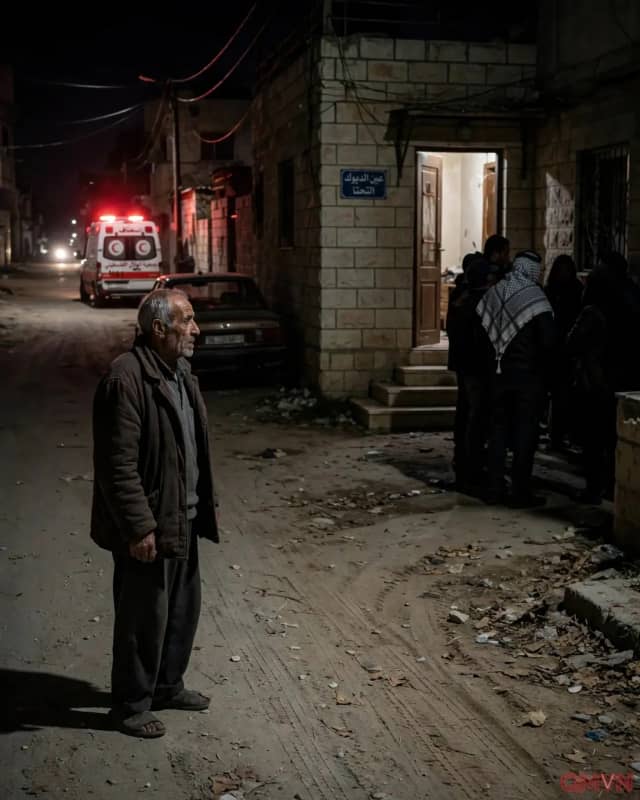
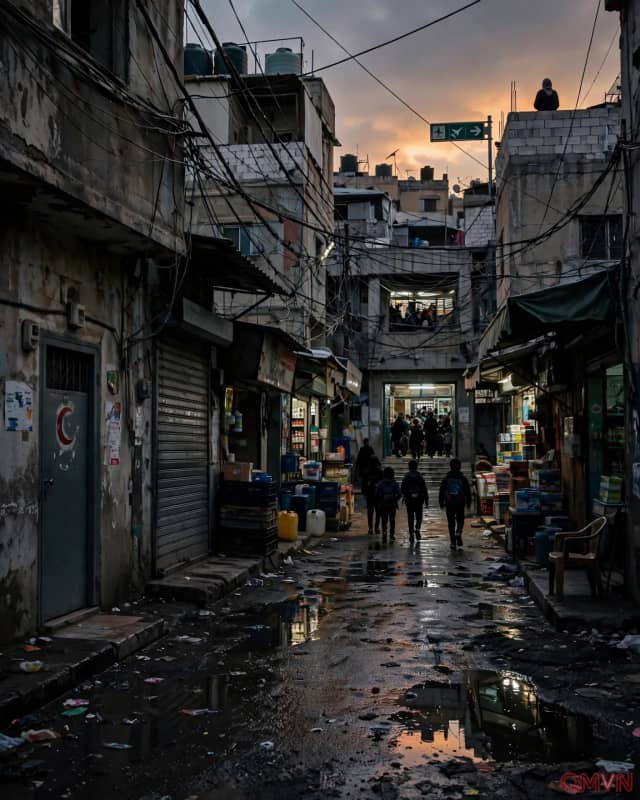
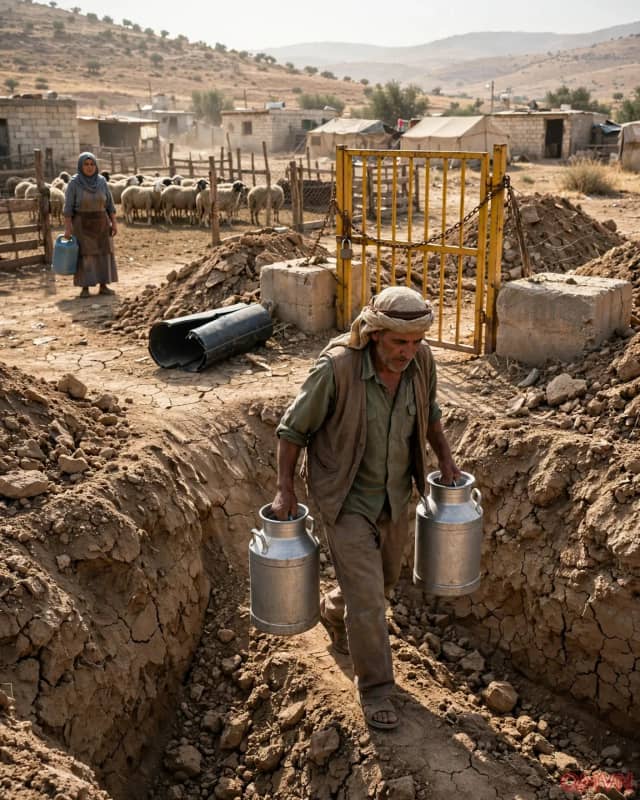
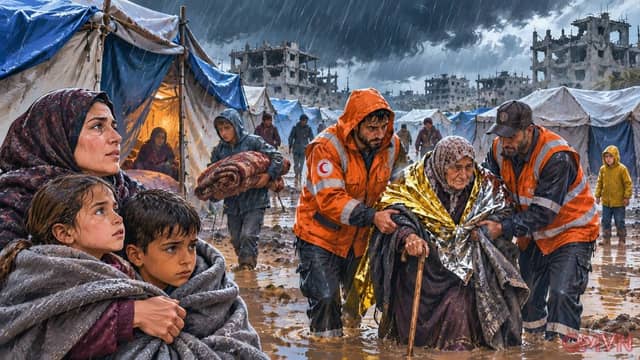
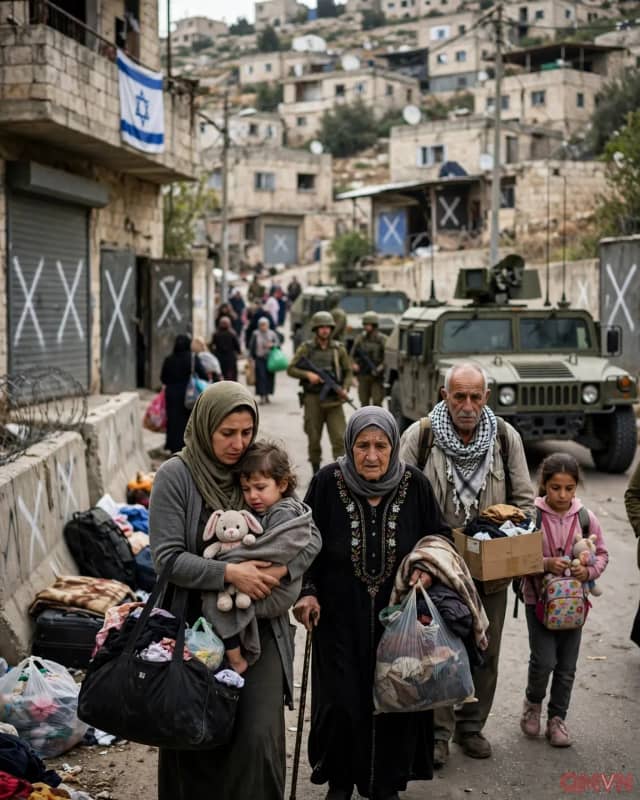
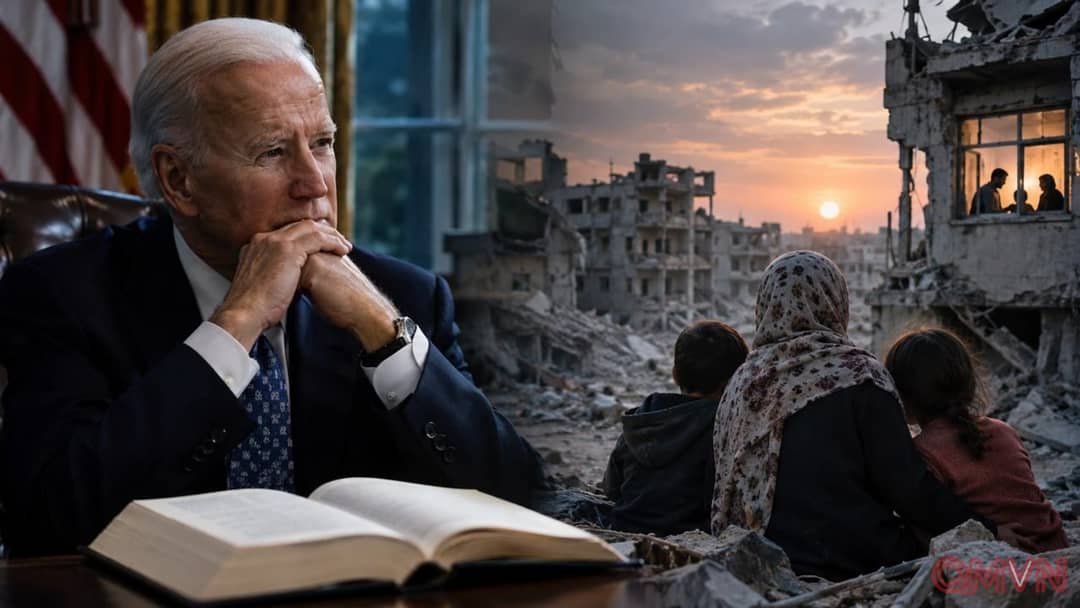
The introductory excerpt of Haaretz’s November 18 review describes two memorable scenes: a freed Israeli hostage smiling on a White House swing and a bereaved mother sobbing during a telephone conversation. Such details make loss personal. They offer readers a face, a place and a moment rather than the vocabulary of casualty figures. Rosenfeld’s criticism is that the account of Gaza apparently offers no comparably developed portrait of a particular Palestinian. That is an argument about unequal narrative attention, not a denial of Israeli anguish.
It also needs an important qualification. Other reporting about the memoir, including coverage by The Wall Street Journal and The Forward, indicates that Biden does acknowledge innocent Palestinians killed during the war. Saying that a population suffered, however, is not identical to showing one family’s interrupted life. The first conveys a moral position; the second asks readers to inhabit another person’s world. Memoirs are especially powerful because selective images can survive longer in memory than broad declarations.
Biden’s own public identity has long been shaped by bereavement, including the deaths of his first wife and daughter and, decades later, his son Beau. His willingness to speak about grief made empathy a defining feature of his political language. That personal history makes questions about whose grief appears in the memoir all the more consequential, even while his experiences cannot be reduced to a single foreign-policy choice.