MAIN ARTICLE
A routine call becomes an emergency
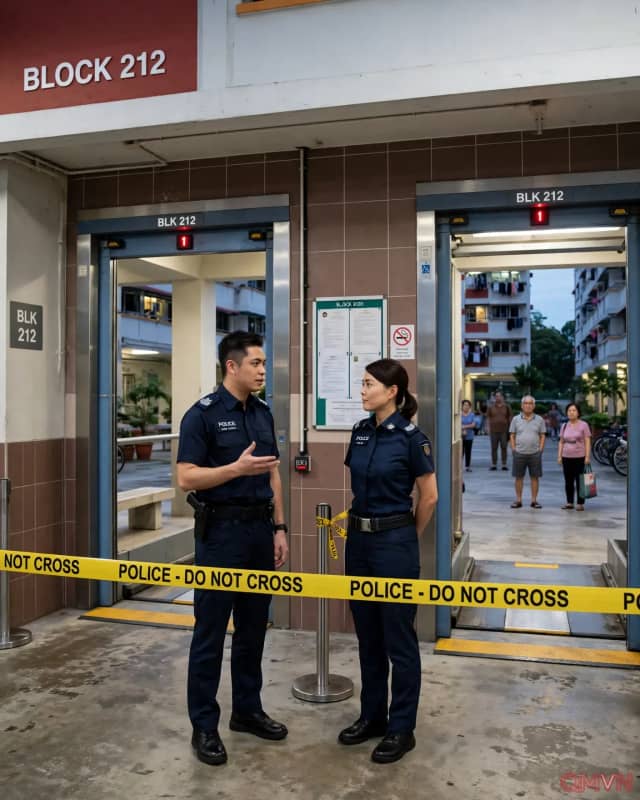
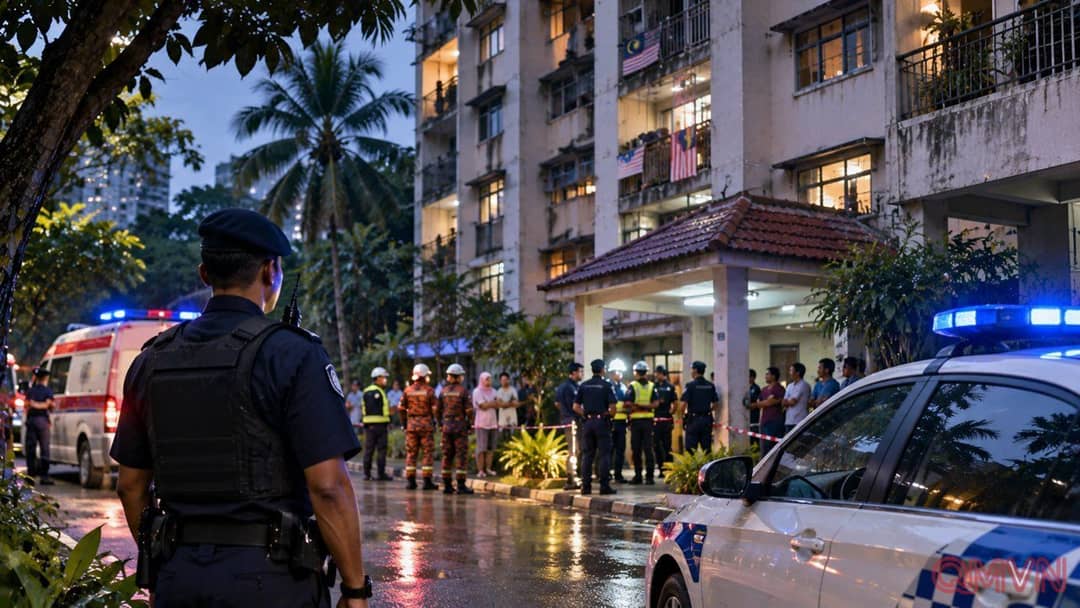
Bernama reported that police received a public complaint at about 4 p.m. on November 11 involving a man allegedly acting aggressively inside a residential property in Desa Aman Puri. Police were joined by members of the Fire and Rescue Department and Health Ministry, indicating a response that combined public safety and emergency assistance. At that point, the information available to the outside public did not establish a criminal motive or a medical diagnosis.
When the apartment door was opened, Shazeli Kahar said, the man attacked the team with two machetes. A 26-year-old lance corporal assigned to the Gombak district police mobile patrol unit suffered a severed right wrist as well as injuries to his head and body. Fire and health personnel suffered less serious injuries. These details stem from the police account, which should be distinguished from any later, comprehensive investigative findings.
A second confrontation near a playground
The suspect left the apartment complex after the first attack. Officers subsequently located him near a playground during the evening. Early reports varied slightly on whether the confrontation occurred closer to 7 p.m.
or 8 p.m., but agreed on the sequence: police attempted an arrest and the suspect allegedly approached again with a machete. Officers fired several shots, which police described as an act of self-defense.
Responders attempted to transfer the wounded man to hospital; he was pronounced dead en route or upon arrival, according to initial reports. Sinar Harian reported that investigators still needed forensic findings to determine the exact number of shots fired and the injuries sustained. Authorities also had not fully verified the suspect’s identity. Describing him as a foreign national does not establish a particular nationality, immigration status or motive.
The injured officer and the wider duty of care
The lance corporal received initial care at Selayang Hospital before transfer to Kuala Lumpur Hospital for surgery involving his severed wrist. Police described him as stable at the time of their briefing. That medical update should not be mistaken for confirmation of a successful reattachment or a completed recovery: the long-term consequences of such a severe injury may require substantial treatment and rehabilitation.
Prime Minister Anwar Ibrahim condemned attacks on officers and said those responsible for violence should be held accountable regardless of their identity. Protecting emergency workers is an essential obligation. Equally, a death following police gunfire requires a careful account of necessity, proportionality and the available evidence. These are complementary expectations of a public safety system rather than competing loyalties.
What the response reveals about preparedness
A report of erratic behavior can become a dangerous armed encounter within seconds. Responders must assess the scene, coordinate across departments and consider protective equipment, communication and available alternatives before approaching uncertain threats. No verified source in this case establishes a mental health diagnosis; describing a person as aggressive does not, by itself, justify a clinical conclusion.
There is also a duty to secure evidence, record the chronology, identify witnesses and communicate accurately with those affected. Residents benefit from clear information rather than graphic speculation. The officer’s prognosis, the suspect’s verified identity and independent forensic findings will be important in assessing what happened and what can be improved in future multi-agency emergencies.