MAIN CONTENT
Two disasters and a crisis of confidence
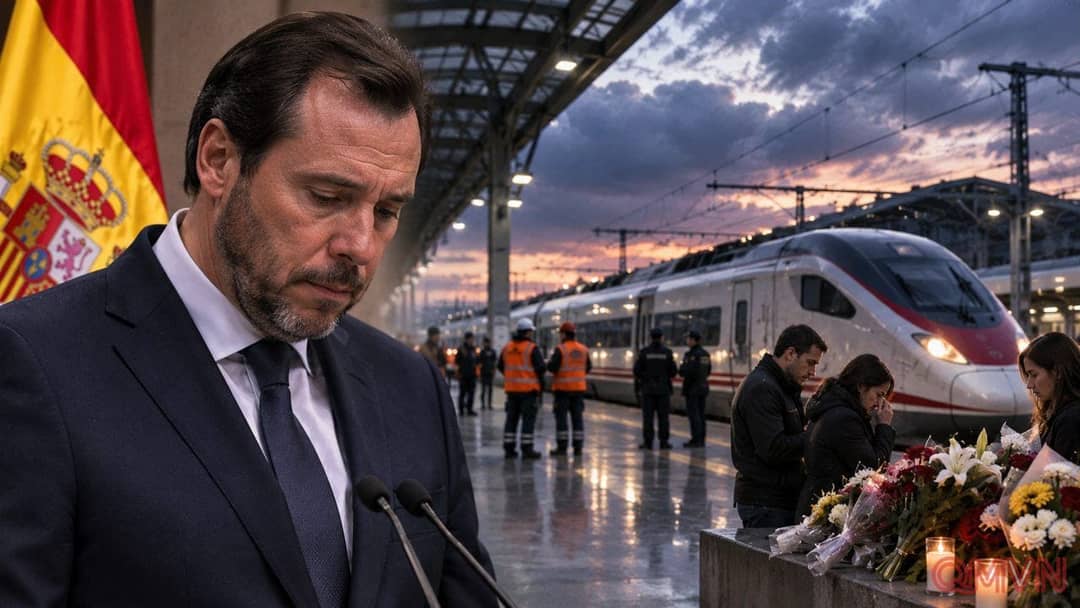
On October 28, a Renfe service struck a stationary Iryo train near Urda on the high-speed corridor between Madrid and Andalusia. Investigators are scrutinizing a failure in safety-related communications and the subsequent authorization for a train to proceed. This reconstruction remains preliminary: it is not a final finding about which operator, employee, system or authority bears responsibility for the collision.
The latest disaster killed 69 people and injured more than 200. Such numbers can make a catastrophe appear abstract, although every figure corresponds to someone whose journey ended in tragedy or whose family now faces a painful recovery. Passengers reasonably expect several independent safety safeguards to stop one faulty instruction from producing a collision. Understanding why those safeguards did not succeed is at the heart of the public inquiry.
In January, another accident near Adamuz, Córdoba, left 46 people dead, according to updated tallies cited by AP, Reuters and AFP. The two incidents occurred under different circumstances and should not be assumed to have the same cause. Together, however, they have badly shaken confidence in a railway network long associated with Spain's infrastructure ambitions and international reputation.