MAIN CONTENT
Ten minutes that changed the mission
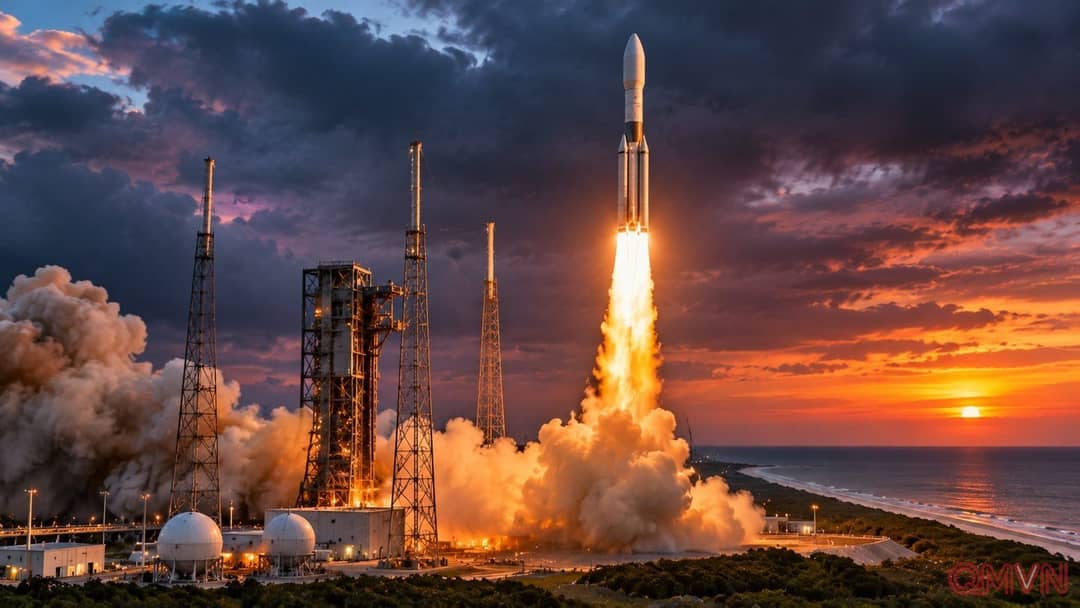
ULA launched the Vulcan rocket from Space Launch Complex 41 at Cape Canaveral on November 15 with 40 broadband spacecraft aboard. Amazon described this as the largest batch of its Leo satellites assigned to a single launch so far. The early minutes included the complex sequence of booster flight and stage operations. Then, around ten minutes after liftoff, ULA reported an anomaly that prevented the vehicle from delivering the satellites to their planned orbit. The mission’s payload was lost.
The company's first response distinguished the confirmed outcome from the unresolved cause. ULA said it would examine flight data, cooperate with Amazon and relevant organizations, identify corrective measures and seek a safe return to flight. That leaves a vital boundary for reporting: there is not yet enough evidence to attribute the loss to a particular engine, upper-stage system, flight computer or supplier. A failed outcome is documented; a technical explanation still must be established.
Vulcan faces a new test of reliability
Vulcan is ULA’s next-generation launch vehicle, intended to succeed older rockets while serving commercial customers and demanding US government missions. Its November flight was the rocket’s fifth since the program began orbital launches in 2024. The failure is consequential because customers depend not merely on a rocket’s lifting capacity but on a credible record of reaching the correct orbit with expensive, sometimes irreplaceable payloads.