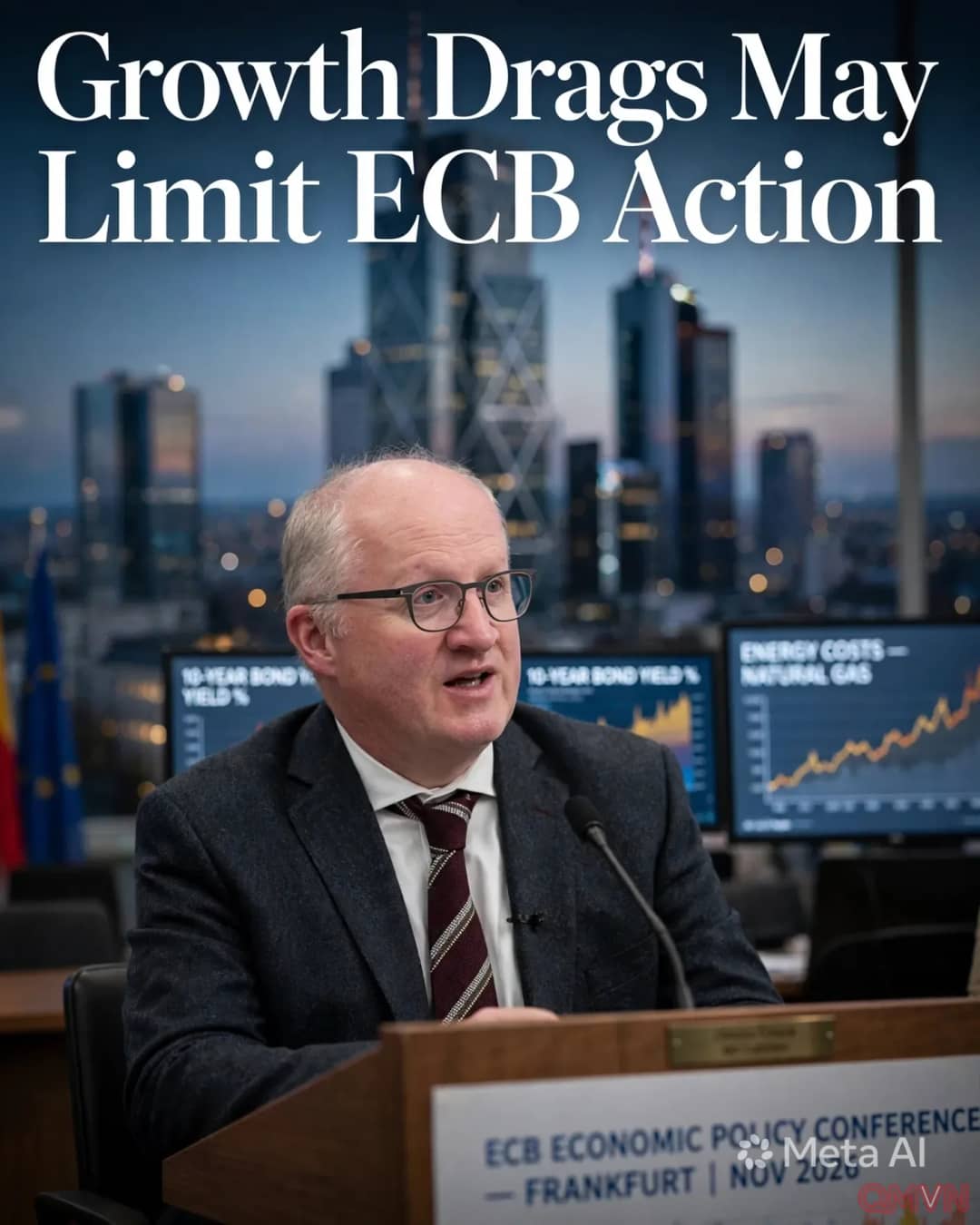
Three drags on growth
According to Lane, the recent wave of energy price increases is clearly creating an upside risk for inflation. At the same time, however, several other factors are proving a drag on the economy because they curb demand:
- High energy costs are eroding household purchasing power and corporate margins.
- Government budget support is set to shrink in the coming years.
- Market-based borrowing costs, especially long-term interest rates, have risen sharply in recent months.
“While growth has been holding up this year, the fiscal impulse is projected to turn from positive in 2026 to negative in 2027 and 2028, and the notable recent increases in long-term interest rates will slow growth and reduce pass-through by more than projected.” — Philip Lane
On that basis, Lane said the ECB’s “measured” response to high inflation remains the right approach. He declined, however, to comment on the next policy move and stressed that decisions will be taken meeting by meeting.
The AI boom, borrowing and pressure on rates
One notable element of the speech was the role of artificial intelligence. Lane acknowledged that the surge in AI-related investment is a positive for the economy, but said tech companies are borrowing so heavily to fund their outsized investments that it is adding to upward pressure on interest rates.