MAIN ARTICLE
A restriction designed with exceptions
The existing export restriction is due to expire on October 31. Rather than eliminate it, Moscow is expected to prolong it through December while authorizing specific producers to export within ceilings established by the government, according to Reuters. The arrangement would preserve a tool for managing domestic supply rather than reopen the market without conditions. Shipments covered by existing intergovernmental arrangements could continue alongside the new quotas.
Two sources said allowances would increase from about 500,000 metric tons in October to 2 million in November, roughly half a million barrels a day. An order expected early in November could expand the group of exempt refiners. Officials may consider additional volumes if the quotas are exhausted quickly. Russia’s Energy Ministry did not respond to Reuters, however, so these figures remain proposals described by unnamed sources rather than a completed official decision.
Washington provides a new commercial outlet
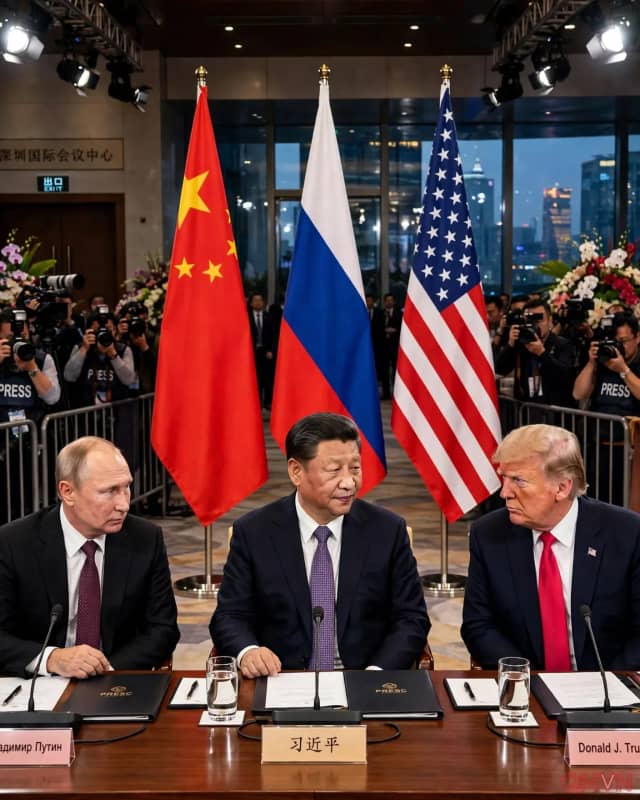
The export plans follow an October telephone conversation between Presidents Vladimir Putin and Donald Trump, after which a Russian diesel-supply arrangement was announced. Reuters also reported that an energy-focused ceasefire between Russia and Ukraine announced alongside the deal helped allow Russian refinery activity to recover.